Discovery
07 Sep 2026
AOC Terrasses du Larzac: award-winning wines at the Gilbert & Gaillard International Challenge@endsection 39 “AOC Terrasses du Larzac wines awarded at the Gilbert & Gaillard International Challenge” wines and spirits awarded at the Gilbert & Gaillard International Challenge: scores out of 100, tasting notes and medals.@endsection https://www.gilbertgaillard.com/en/resultats/terrasses-du-larzac@endsection
A.O.C./A.O.P.
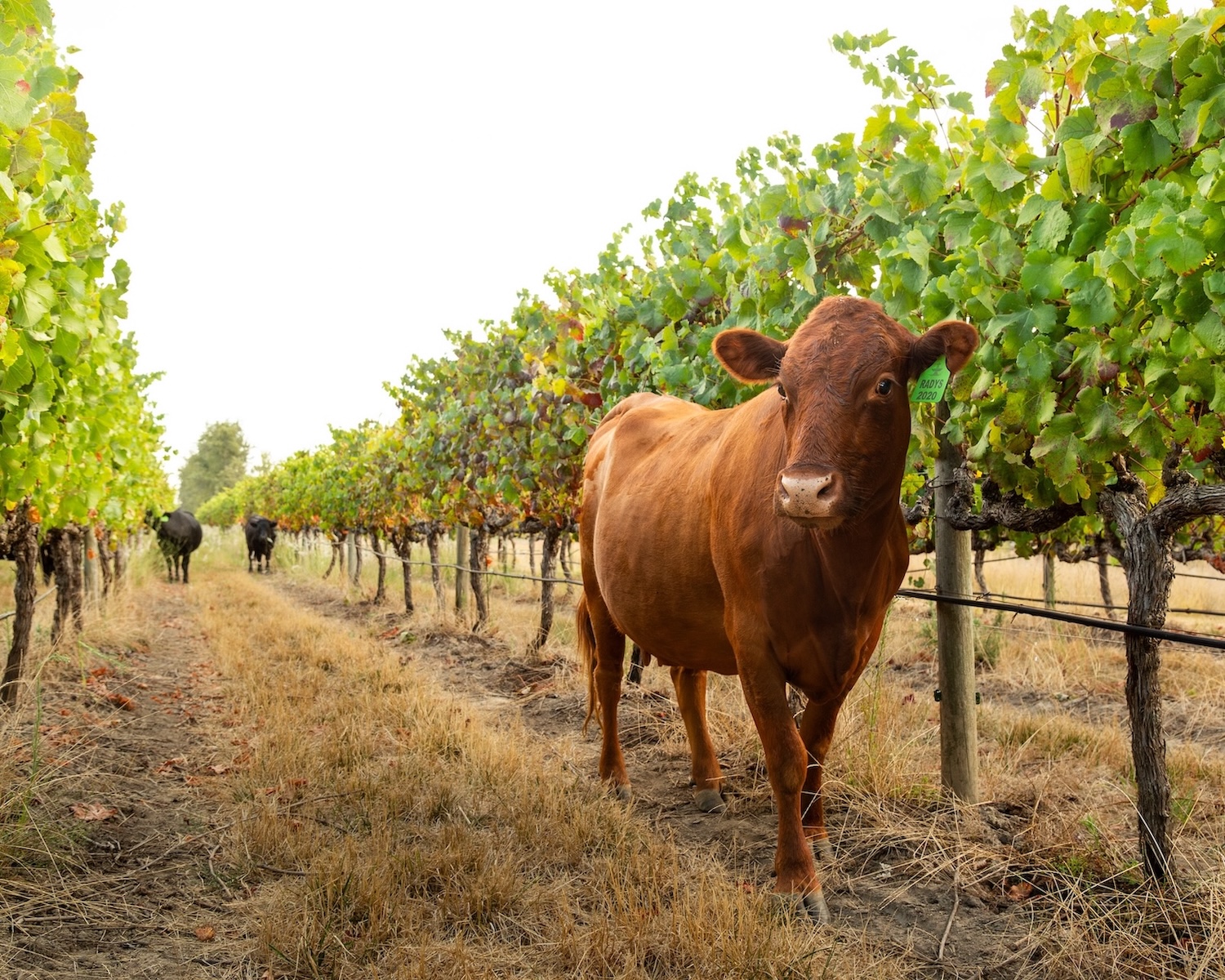
The Terrasses du Larzac appellation covers 32 communes in the Hérault department, bounded to the north by the Causse du Larzac, whose cliffs overlook the vineyard, and to the south by the confluence of the Lergue and Hérault rivers. The vines grow between 40 and 450 metres in altitude, most parcels lying between 100 and 150 metres. Sheltered from northerly winds by the plateau, the area receives 800 to 900 millimetres of rain a year, mostly in autumn and spring, under a Mediterranean climate tempered by altitude, with cool nights and strong light. The soils, formed from old alluvial terraces, scree and colluvium, or from Jurassic limestone and Permian red sandstone, share low fertility and a high stone content that ensures good drainage. Vines here grow alongside olive trees, garrigue scrubland and holm oak. The appellation is reserved for red wines, made from four main grape varieties — grenache, mourvèdre, syrah and carignan — supplemented by five secondary varieties: cinsaut, counoise, lledoner pelut, morrastel and terret noir.
Fill in one or more criteria to filter your search:
88
points
87
points
89
points
90
points
91
points
89
points
86
points
90
points
87
points
89
points
91
points
89
points
89
points
Terrasses du Larzac produces red wines exclusively, blended from at least three of the authorised grape varieties and always built around two dominant ones. The wines show a purple or garnet colour, sometimes with black highlights. The nose is fine and complex, combining red and black fruit with spice, liquorice, black olive and violet, alongside toasted and garrigue notes; with age it develops leather, hay, tobacco and sometimes truffle. On the palate, these wines show richness, firm tannic structure and a balance between generosity and freshness, with notes of ripe fruit and spice. They are wines built for cellaring, with some only reaching their peak after more than fifteen years. Their structure and spiced character suit them to grilled or braised red meats, lamb, game and slow-cooked Mediterranean dishes; more mature vintages pair well with aged cheeses and poultry in sauce.
Discovery
07 Sep 2026
Wine Terroirs
01 Sep 2026
Discovery
21 Aug 2026