Three projects established in recent decades – Piedra Negra, Bemberg Estate Wines and Bodega Susana Balbo – clearly demonstrate the direction taken by the Argentine wine industry: the pursuit of high-quality wines through the discovery of new terroirs and winemaking research.
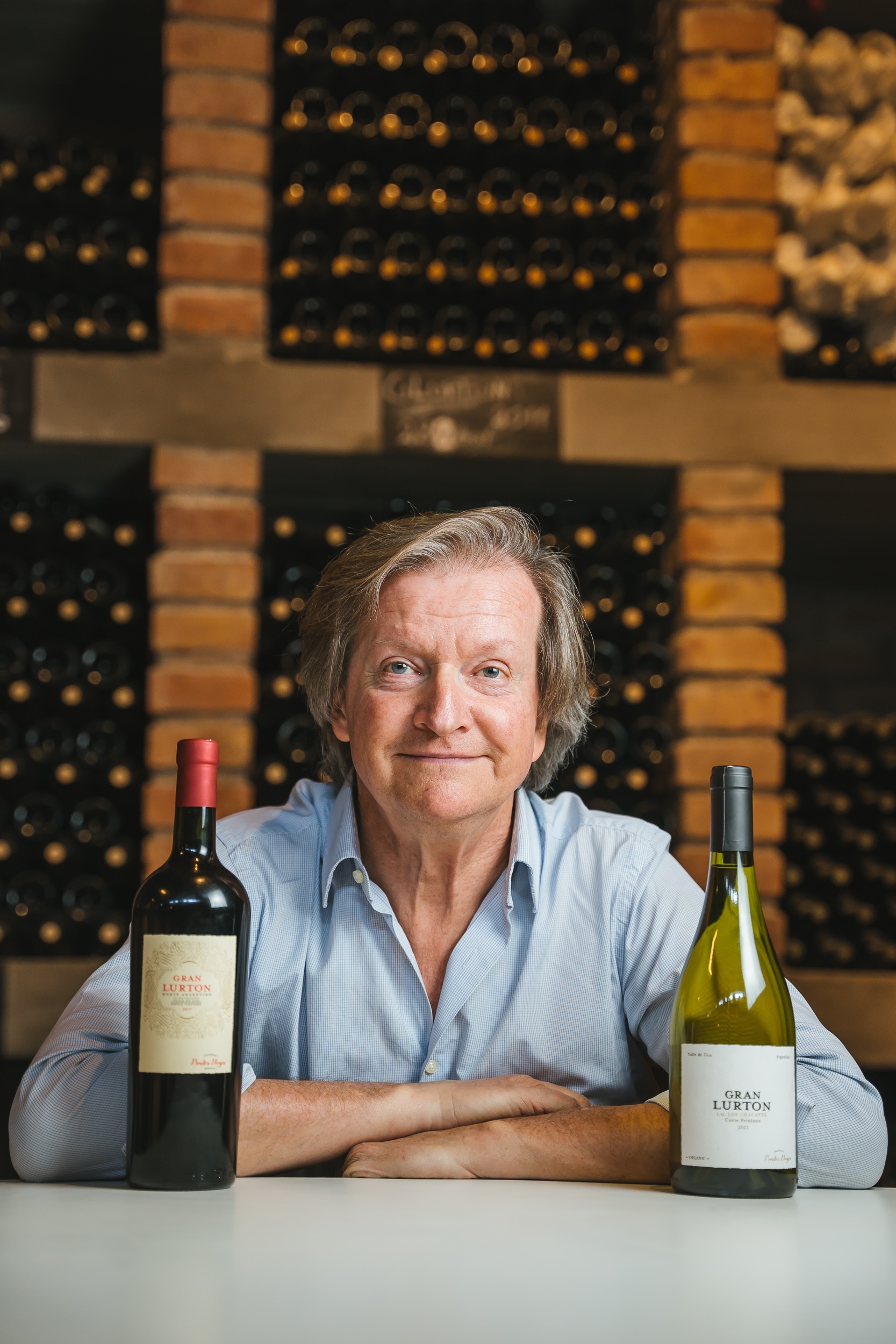
François Lurton's philosophy is based on identifying unique terroirs and having the courage to pioneer them.
Through the scores they achieved at the latest Gilbert & Gaillard International Challenge, three Argentine wines demonstrated the remarkable leap in quality currently taking place in the South American country. They are Chacayes Los Chacayes Malbec 2019 by Bodega Piedra Negra (see Bodega Piedra Negra results at GGIC) — 98 points and a Double Gold medal; La Linterna Finca La Mercedes Cafayate Cabernet Sauvignon Plot #19 2022 by Bemberg Estate Wines — 98 points and Double Gold; and Susana Balbo's Signature Limited Edition Blanco 2024 by Bodega Susana Balbo — 96 points and Double Gold. All three wines come from wineries established within the past 30 years and reflect a heartfelt quest for distinctive expression, underpinned by rigorous research into the regions and soils where their grapes are grown: Gualtallary, in the Uco Valley of Mendoza; Cafayate, in the southern part of Salta Province; and Pedernal, in San Juan. Their trajectory is the latest chapter of the story of Malbec putting Argentina on the world stage.
Piedra Negra: the Bordeaux legacy illustrating the potential of the Uco Valley
Piedra Negra is owned by François Lurton, who represents the fifth generation of the iconic Bordeaux winegrowing family. The Lurtons have played a significant role in the history of France's fine wines, and François has extended that legacy onto the global stage, with projects in France, Spain, Argentina and Chile.
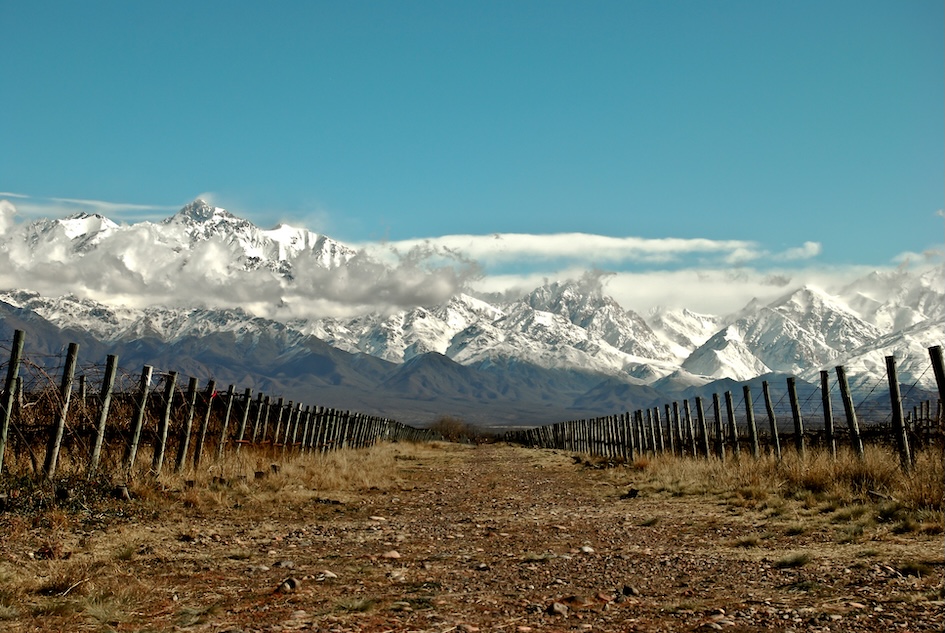
Piedra Negra owns 130 hectares of vineyards in the Los Chacayes Geographical Indication, at the foot of the Andes.
His arrival in Mendoza in 1992 is regarded as a milestone of vision and audacity. Rather than focusing on already-established winegrowing areas, Lurton acquired 130 hectares of virgin, stony land at the foot of the Andes, in what is now the Los Chacayes Geographical Indication (GI), a region that was virtually unknown at the time for producing high quality wines — a bet echoed in our feature on how the Andes shape Chile and Argentina's greatest wines.
Quentin Pommier, the winery's technical director, who, alongside Thibault Lepoutre and François Lurton, helps shape the winery's strategy and technical direction, sums up Lurton's contribution as follows: "His philosophy is based on identifying unique terroirs and having the courage to be the first. He was the first to plant vines at 1,100 metres above sea level in this area, the first to recognise the potential of Pinot Gris on these lands, and the creator of the 'Chacayes' brand, which he later generously relinquished so that it could become a Geographical Indication."
Since its inception, Piedra Negra has established itself as a model of organic viticulture and agroecology, seeking to create sustainable ecosystems that deliver the freshness and elegance of its Bordeaux roots, while capturing the energy of the Uco Valley. According to Pommier, "we seek the purest expression of high-altitude terroir. We favour stony, alluvial, poor soils with excellent drainage. These conditions, combined with the intense sunlight, the wide diurnal shift and the purity of glacial meltwater, enable us to obtain grapes showing exceptional concentration while retaining vibrant natural acidity."
The Piedra Negra estate surrounds the winery in Los Chacayes and embraces 123 hectares (ha) of vineyards within a total property of 130 ha. The distribution of grape varieties reflects the estate's technical identity: 24 ha of Malbec and 22 ha of Côt ("the French clone that brings us tension and freshness"); 41 ha of Pinot Gris ("we are the leading producer in Mendoza of this variety, introduced by a fortunate mistake and now an international success"); 23 ha of Cabernet-Sauvignon ("the oldest vines in the area"); 6 ha of Cabernet Franc; 4 ha of Tocai Friulano, key to the production of Gran Lurton; 2 ha of Sauvignon Blanc and 1 ha of Viognier.
The philosophy is firmly rooted in the art of blending, a legacy inherited from François Lurton's Bordeaux background. "Whilst we honour varietal expression, our most complex wines are blends designed to showcase the balance between power and elegance, such as the use of Côt to lend freshness to the Malbec or Tocai Friulano as the backbone of our flagship white wine," says the technical director.
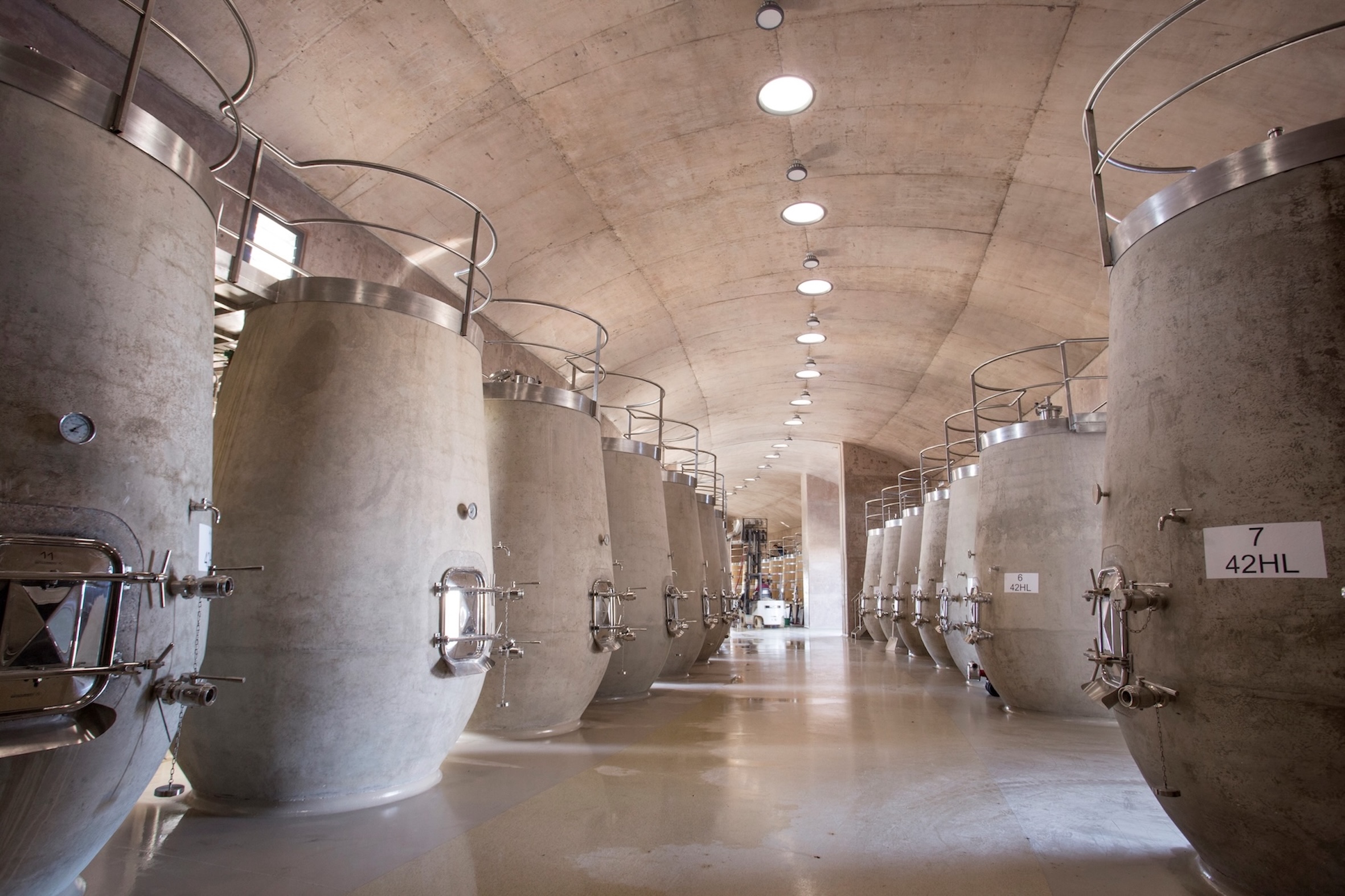
When it comes to experimentation, the focus is on minimal intervention and sustainability. Piedra Negra was a pioneer in Argentina, obtaining organic certification more than a decade ago, and today leads projects in agroforestry and the integration of native tree species. From a winemaking perspective, the team explores the use of alternative vessels such as terracotta amphorae, concrete eggs and small fermentation tanks, always seeking to preserve the purity of the fruit and the identity of the terroir. This year, the winery has also ventured into the low-alcohol segment following demand from the Canadian market, for which it developed an early-harvest Pinot Gris with a natural ABV of 8%.
Canada is one of Piedra Negra's key export markets, alongside Europe, reflecting what the winery describes as "an intrinsic export calling". Today, Piedra Negra exports 70% of its production, whilst the remainder is sold in Argentina through "a selective and prestigious presence, consolidating our identity as a benchmark for Los Chacayes".
The estate's leading brands are Piedra Negra, Gran Lurton (Corte Friulano and Corte Argentino) and the iconic Chacayes, which was ranked No. 8 in Wine Spectator's Top 100 Wines of the World in 2020.
"Our main inspiration is the Lurton family's legacy in Bordeaux, adapted to the freedom and potential of the Uco Valley," summarises Pommier, who has winemaking experience in Châteauneuf-du-Pape, Priorat and New Zealand. "We seek the classic French balance of elegance, structure and longevity, expressed through the intensity and minerality that only the soils of Los Chacayes can provide."
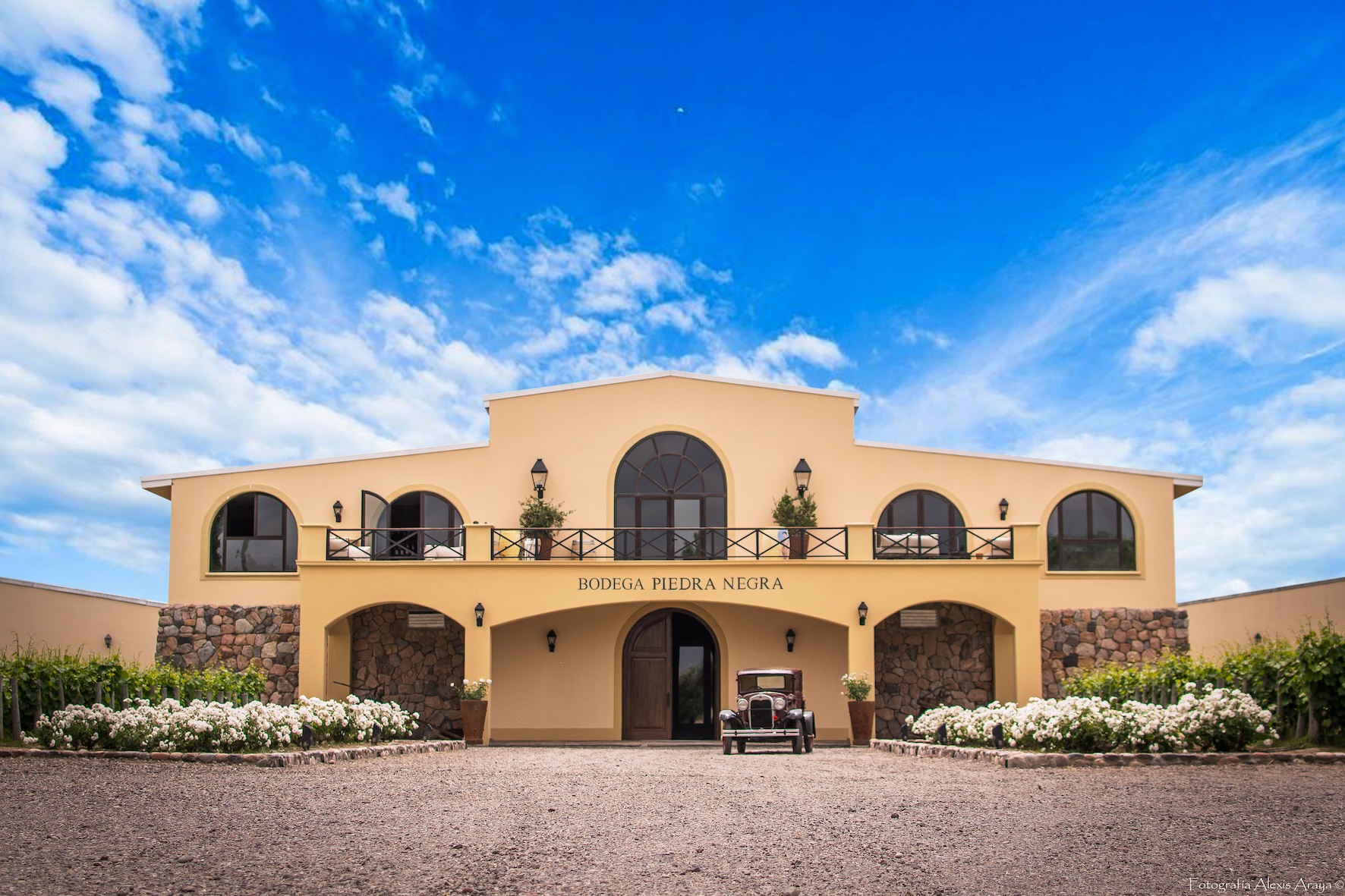
Piedra Negra, a milestone of vision and audacity
Bodega Susana Balbo: tradition, research and winemaking rigour
"Bodega Susana Balbo is located in Agrelo, Mendoza, at the heart of the country's most important winegrowing region, and this strategic location gives us direct access to the finest vineyards in the Uco Valley and its surroundings." The statement is by José Lovaglio, director of winemaking at the family winery founded by his mother, Susana Balbo, a legend of Argentine winemaking and the first woman to qualify as a winemaker in the country.
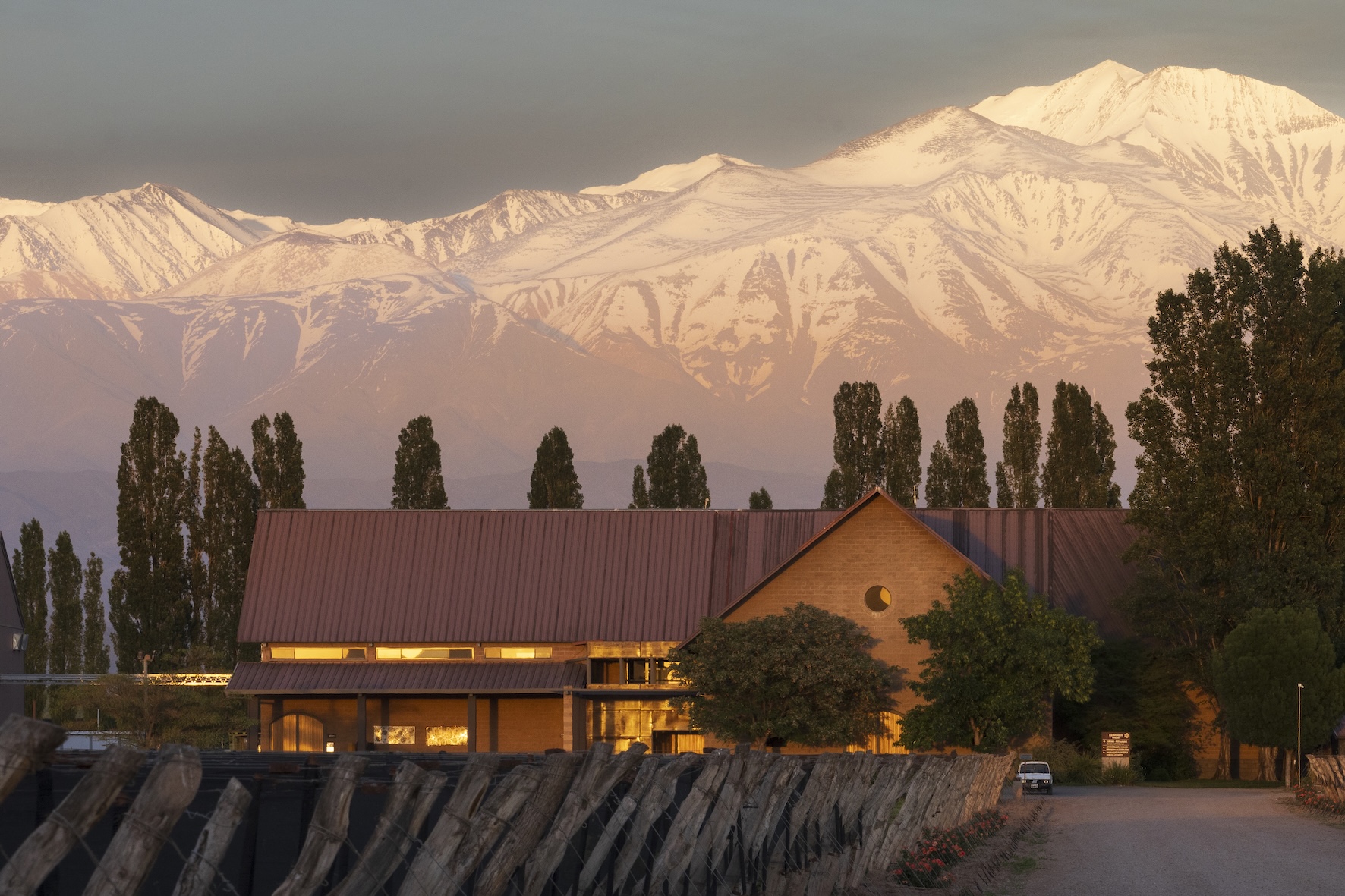
Bodega Susana Balbo, in Agrelo, Luján de Cuyo, Mendoza.
Lovaglio studied oenology at the University of California, Davis, and during his training gained experience in winemaking and harvest operations at wineries such as Villa Mount Eden, Saint-Supéry, Niebaum Coppola and Davis Family Vineyards in the United States, and at Château Le Gay and Château Montviel in Pomerol, alongside Argentine winemaker Marcelo Pelleriti. However, he proudly notes: "My main mentors have been my mother and Edgardo del Pópolo, a renowned viticulturist and winemaker."
Bodega Susana Balbo combines family tradition with research and winemaking rigour. Its philosophy centres on seeking consummate terroir expression, respecting natural winemaking processes whilst embracing modern techniques. "We are a winery committed to constant evolution and crafting wines that tell the story of place," says Lovaglio.
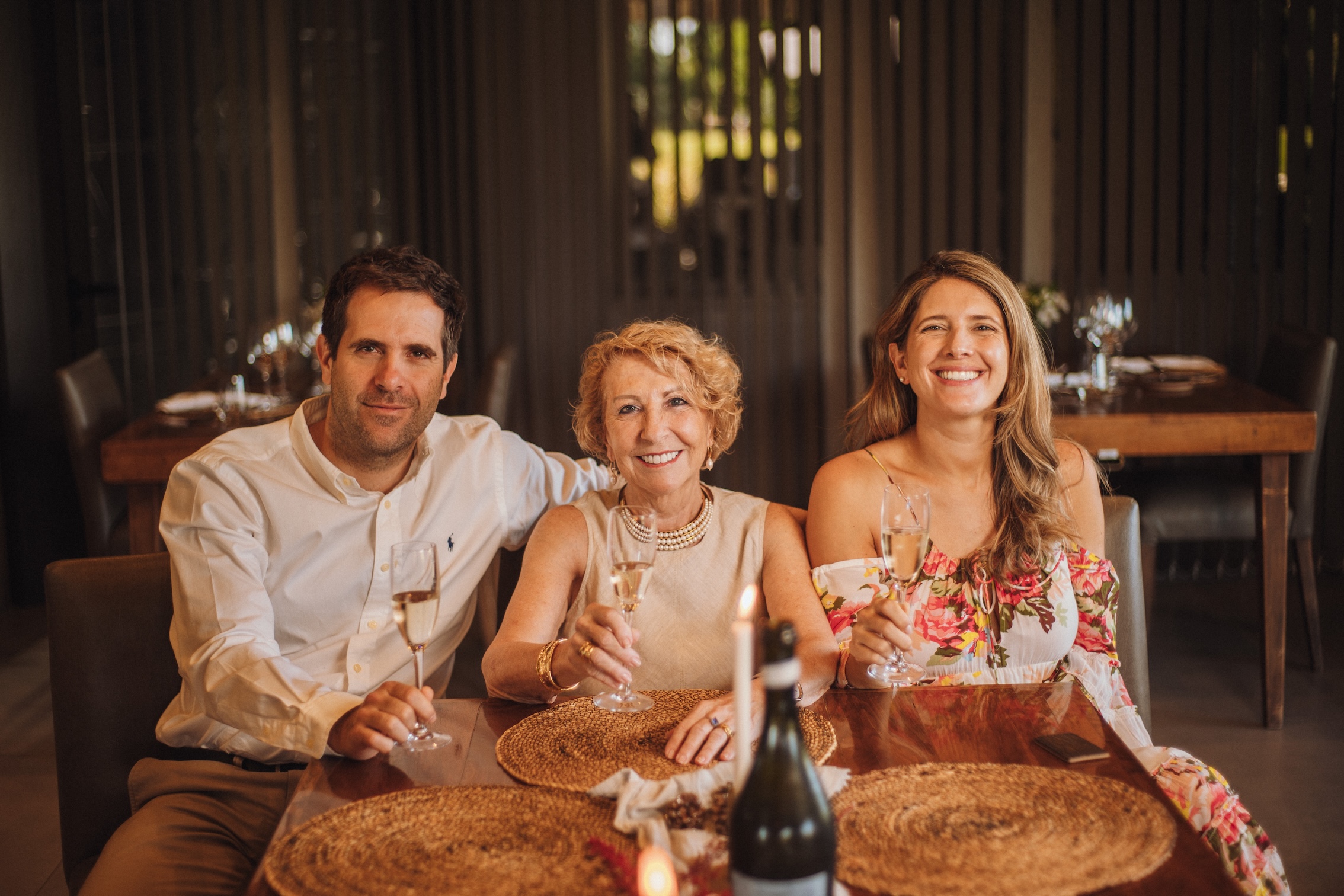
A winemaking family: José Lovaglio with his mother, Susana Balbo, and his sister, Ana Lovaglio.
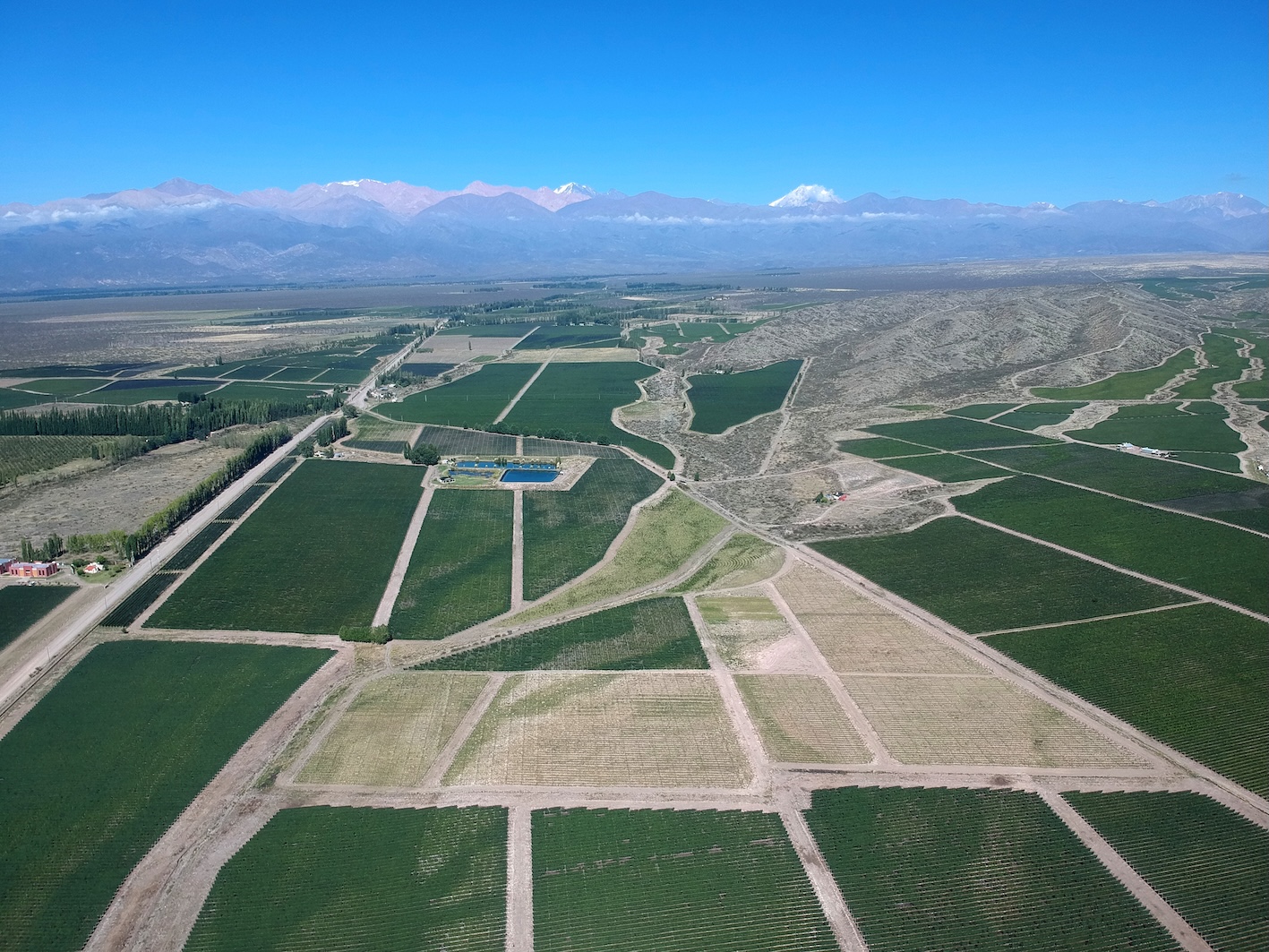
Vineyards at Bodega Susana Balbo in Gualtallary, in Mendoza’s Uco Valley.
In their view, the company is forging its own path. As a result, when asked whether they draw inspiration from any traditional wine brands, they reply: "None in particular. Instead, we draw on our experiences and the lessons learned whenever we travel to explore wine regions beyond our own."
The winery's vineyards are spread across different areas of Mendoza. The first is Agrelo estate in Luján de Cuyo, where the winery is located. Covering 18 hectares, it is planted to Cabernet-Sauvignon, Cabernet Franc, Petit Verdot and Torrontés.
The company also owns estates in the Uco Valley: one in Gualtallary, 1,300 metres above sea level, and another in Altamira, at 1,100 metres, where it grows Malbec, Cabernet Franc, Chardonnay and Torrontés.
In the Uco Valley itself, one of its most notable projects is an estate in San Pablo, where 8.52 hectares are planted with Torrontés, Chardonnay, Pinot Noir, Sauvignon Blanc, Sémillon and Carignan. Lovaglio explains: "We look for sites with distinctive terroirs, particularly in the Uco Valley, where factors such as altitude, diurnal shift and unique soils allow us to achieve the fullest expression of the varietals we cultivate. We particularly value a site's ability to produce wines showing complexity and elegance, with clear sense of place."
The winery's principal brands include the Crios, BenMarco, Susana Balbo Signature and Nosotros ranges, produced both as single varietals and blends. "We embrace both approaches," explains Lovaglio. "Some ranges such as Ben Marco focus on single varietals and on preserving a clear connection between the terroir and the finished product, while others, such as Susana Balbo, are more blend-driven, drawing on the experience we have garnered as winemakers."
In terms of innovation, the winery is currently working with orange wines, planting vineyards in the cooler areas of the Uco Valley, such as the San Pablo region. Here, it also ferments varieties that are uncommon in the region, such as Carignan, and is conducting trials to assess how selected massal material of the native Torrontés variety adapts to cold-climate conditions and well-drained calcareous soils — an approach that mirrors the wider push explored in Argentina, beyond Malbec. The team is also experimenting with a range of fermentation vessels, formats and materials, using fired clay, modern low-porosity clay, concrete from various sources and large-format wooden containers such as casks and foudres, as well as rotary fermenters and other experimental techniques.
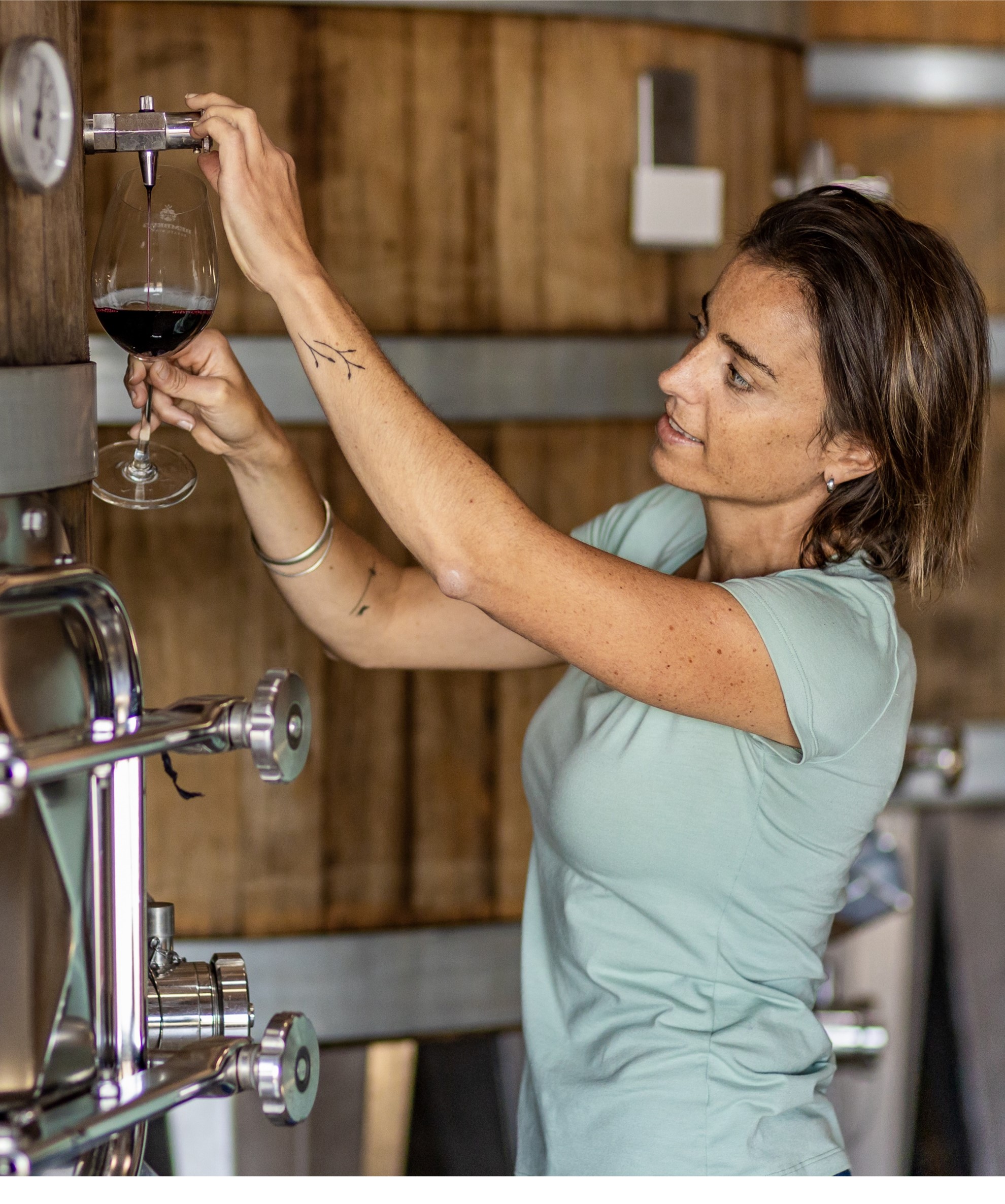 Juliana Bevilacqua, Bemberg’s head winemaker, alongside Daniel Pi. “Above all, our aim is to showcase identity.”
Bodega Susana Balbo was founded with a clear focus on exports and a strong commitment to producing wines that are both high in quality and competitive. Today, 86% of its production is sold abroad, with its main markets being the United States, Brazil, Canada and the United Kingdom.
"My role encompasses both the technical management of our winemaking operations and the coordination of production, as well as representing the winery at high-profile events," summarises José Lovaglio. "The winemaking team is made up of skilled professionals and collaborators who assist us in various areas of production, working within a culture of innovation and excellence that has defined the winery since its inception."
Bemberg Estate Wines: elegance and sustainability
For a young country like Argentina, the Bemberg family has a long history, with its origins dating back to the 1850s. A pioneer in the brewing industry, the family is now seeing its fifth and sixth generations drive development of Bemberg Estate Wines, a project so recent that it was only established in 2019. In pursuit of the highest quality, Bemberg owns vineyards in three Argentine provinces: Mendoza (Gualtallary), Salta (Cafayate) and San Juan (Pedernal).
The estate's philosophy is based on finding a common identity that runs through all its wines, beyond differences in grape varieties and soil types. "We seek to express each region elegantly and with a sustainable approach," explains Juliana Bevilacqua, who shares responsibility for winemaking with Daniel Pi. "Above all, our aim is to showcase identity, understood as the finest expression a vineyard — or even a specific plot — can offer."
The winery is located in Gualtallary, in Mendoza's Uco Valley. It is also home to the estate's most important vineyard, La Linterna. Covering 62 hectares, approximately half of the vineyard was planted in 1998 with Chardonnay and Malbec, the latter on un-grafted rootstocks. The remaining half, planted in 2016, is devoted mainly to Malbec, complemented by Cabernet-Sauvignon, Cabernet Franc and Petit Verdot.
When describing this vineyard, Bevilacqua — who, despite her relatively young age, has experience through harvests in New Zealand, the Rhone Valley, Bordeaux and California — reflects on the precision with which work is carried out at Bemberg Wine Estates. "For this second phase, a detailed soil survey was conducted to determine the depth of the topsoil; and planting density was established accordingly, at three to four times that of the original vineyard. Another distinctive feature is that, for our Malbec vines, massal selections were sourced from different areas: Las Compuertas, Vistalba, Vistaflores, Pedernal and Gualtallary. We believe that this, together with un-grafted vines, enhances the varietal complexity in the final blend by creating different layers."
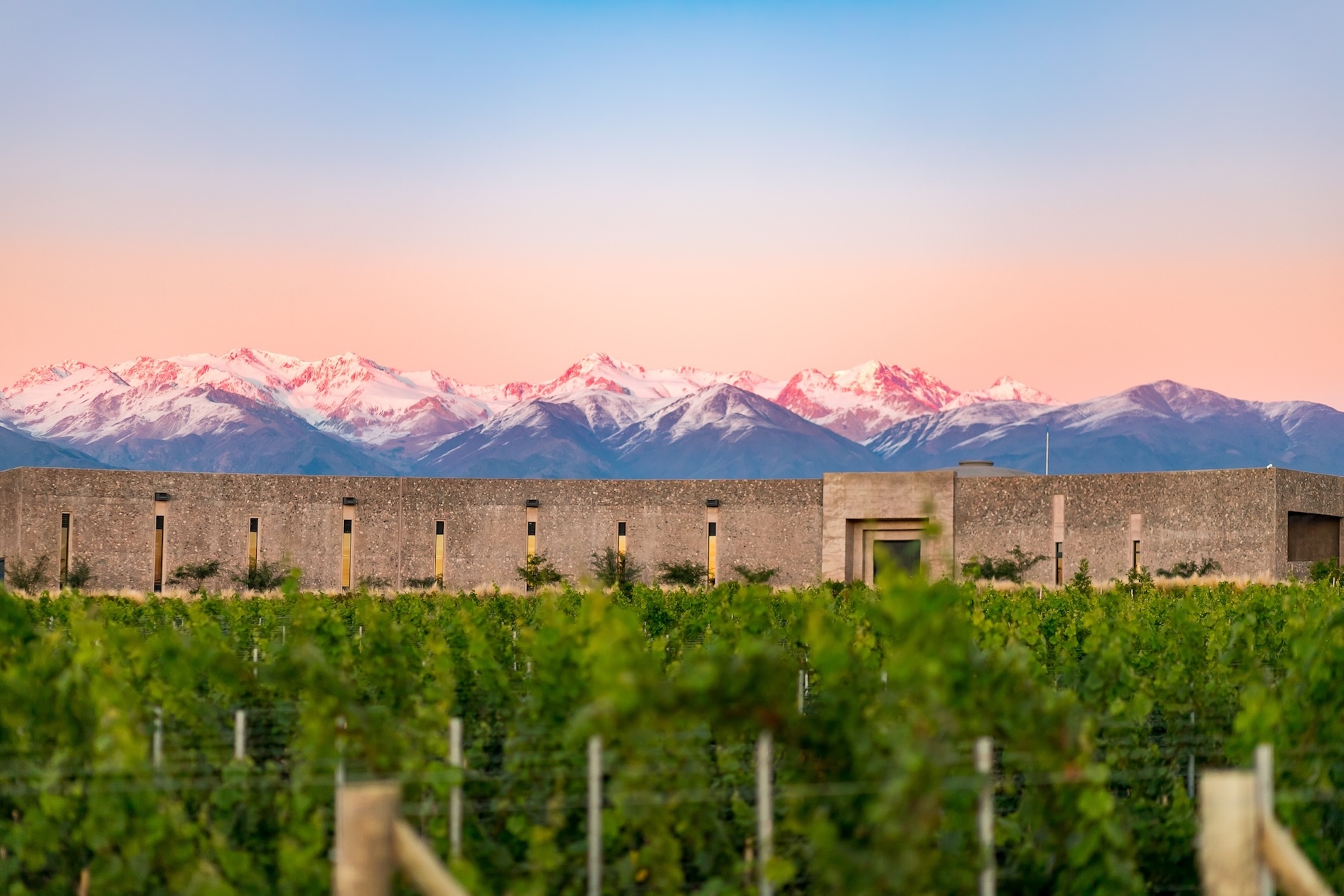
At Bemberg, they say that “our intention is to set a course and inspire others by showing everything that can be achieved in Argentina.”
With such a diverse range of vineyards, the winemaking team draws on grapes from across the estate to produce wines such as the Cabernet-Sauvignon from Cafayate, the Pinot Noir from Los Árboles (Tunuyán, Mendoza) and the Malbec from Pedernal.
"The Cabernet-Sauvignon from Cafayate comes from a vineyard planted in 1958, trained on a trellis system, where pruning has been carefully managed with a strong focus on quality. Fermentation is conducted in a way that allows the grape variety to express its inherent character, revealing aromas of roasted red pepper and paprika that evoke the Salta landscape, with its yellow, orange and ochre hues. The age of the vineyard results in naturally balanced vines that yield wine with silky tannins, filling the mid-palate beautifully but at the same time gliding smoothly across the palate with no heaviness," explains Bevilacqua.
Bemberg Estate Wines has just two ranges in its portfolio: La Linterna and Pionero. The first comprises five single varietal wines: Chardonnay, Pinot Noir, two Malbecs (one from Gualtallary, the other from Pedernal) and Cabernet-Sauvignon. The second is a blend of Malbec, Cabernet-Sauvignon and Cabernet Franc, with proportions that vary from year to year. According to the winery's head winemaker, "we produce more varietals than blends, but our blend is a particularly significant project as it stands as a tribute to Otto Bemberg, the pioneer of the family lineage. In this sense, the wine is a socio-historical and cultural expression of an era when Argentina was a major importer of French wine. And when we think of pre-phylloxera France, we think of Malbec and Cabernet-Sauvignon".
Bemberg Estate Wines are marketed in the high-end segment of the domestic market, which accounts for approximately 50% of sales. The balance is exported mainly to Canada, the United Kingdom, Spain and Paraguay.
"We believe that our climate, soil and grape varieties produce wines with a distinct identity — we are not seeking to emulate any other region in the world. Our aim is to blaze a trail, not to follow others, and to provide inspiration, demonstrating everything that can be achieved in Argentina," concludes Bevilacqua.
Bemberg’s main export markets are Canada, the United Kingdom, Spain and Paraguay.
Contact details
Piedra Negra: Quentin Pommier — +54 9 261 419 2525 — www.bodegapiedranegra.com
Susana Balbo Wines: Paula Comadrán — +54 9 261 704 1400 — www.susanabalbowines.com.ar
Bemberg Estate Wines: Juliana Bevilaqua — +54 9 261 363 7054 — www.bembergestatewines.com