The irony of our time is that we believe it's us who are evolving – integrating AI, refining systems, improving what exists. Yet nature's intelligence runs deeper, and the vine has been perfecting survival far longer than we've been trying to improve it.
Grapevines are desert plants by origin. Through natural selection, they've learned to endure heat and scarcity – their roots finding water where none seems to exist. Varieties such as the trusted Chenin Blanc, with the Greek grape Assyrtiko – now central to the climate conversation, as explored in our overview of Greek wine – have naturally adapted to arid conditions, producing smaller berries, thicker skins, compact canopies and tougher leaves. Yet, in this enduring partnership between the vine's instinct to survive and our commitment to keep fine wine at the table, research has stepped in to refine what nature began – matching varieties to terroirs that serve them best.
Before we can look ahead, it's important to understand what the South African wine industry unknowingly inherited. When settlers brought Vitis vinifera from Europe between the 17th and 19th centuries – long before plant pathology existed – many cuttings already carried latent viruses like leafroll and fanleaf. Harmless in their native rootstocks, these pathogens became damaging once grafted onto vinifera scions. When the country's vineyards expanded throughout the 20th century, most farmers relied on own-rooted cuttings passed down from older blocks – many already infected. These became the foundation of mother blocks before proper testing was introduced in the 1970s and '80s.
Unlike Europe, South Africa's mild winters allow mealybugs – the primary vectors of leafroll virus – to survive year-round. Without state-funded replanting or eradication programmes, the financial and logistical burden fell to individual producers already navigating transformation, drought cycles and currency swings. It was never complacency that perpetuated the problem, but the sheer cost and collaboration required to rebuild an entire vine culture. In a turn of history, it is now French growers who are studying South African Chenin Blanc clones as their own climate begins to mirror the Cape's.
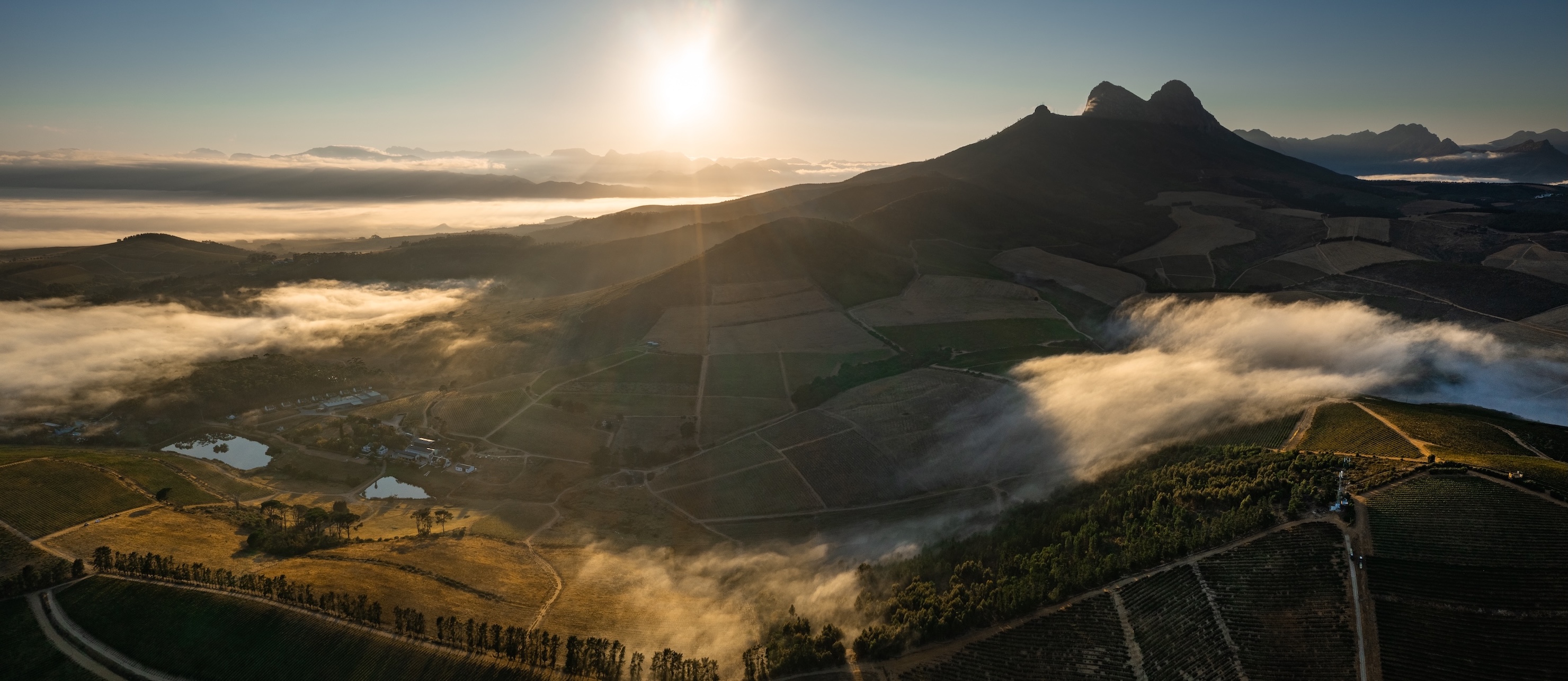
Foggy summer sunrise over the Simonsberg Mountains in Stellenbosch.
Cultivating clean and climate-fit vineyards
This is where Bosman Adama Nursery emerged as a leader in safeguarding vine sustainability under the South African Vine Improvement Scheme. Rooted in the propagation and production of high-quality, virus-tested plant material, the company stands equally on innovation. Through its Cultivar Management division, it prioritises developing drought- and heat-resilient cultivars, clones and rootstocks. Recent additions such as Nero d'Avola, Assyrtiko, Xinomavro and Aglianico reflect a forward-looking strategy. As water stress and temperature extremes intensify, their role is to help South African viticulture adapt – ensuring future vineyards are clean, climate-resilient and capable of elevating wine quality.
Wian Mouton, head of Cultivar Management at Bosman Adama Nursery, notes that five traditional rootstocks have long dominated South African viticulture, but refining drought-tolerant material remains a work in progress.
"Ramsey is still preferred for its vigour and higher natural resistance to harmful pathogens," he explains, adding that several new rootstocks are currently on trial. With vineyard re-establishment costs reaching about R225,000 per hectare, large-scale replanting is an enormous investment.
"In terms of clonal selection and cultivar evaluation," Mouton continues, "early-ripening cultivars offer significant water savings. We're now evaluating cultivars that can be harvested as early as late December in the Western Cape. Imagine the water saved by harvesting one or two months sooner."
Bosman operates two major trial sites – at Lelienfontein and Breeland in the Breedekloof – where various clones and disease-resistant cultivars are tested. A third site, planted in September 2025 in Malmesbury, showcases cultivars and clones suited to the Swartland terroir. Together, these sites generate critical data to compare productivity, yield, ripeness and structure across 50 cultivars and nearly 180 clones. Yet, as Wian admits, advancing new drought-resilient cultivars, clones and rootstocks from trial to commercial release can take decades.
"We're at a stage where we can match clone to terroir," says Mouton. "For instance, we offer five Chenin clones, giving farmers options tailored to their conditions and desired wine style."
Innovation, he adds, extends beyond the vineyard to the wine itself.
"It's difficult to gauge a wine's quality from an experimental batch of four young vines. It can take twenty years for a new clone to credibly express itself in wine. Petrus Bosman brought Nero d'Avola into the country in 2004; the first wine came in 2014, simply labelled as Dry Red. Only now has it begun to show what a true South African Nero can be."
Convincing consumers is another challenge. They know and trust traditional varieties, and getting them to explore new ones takes time and serious marketing muscle."
"We're experimenting with several hybrid cultivars, generally referred to as PIWI-varieties. A semi-commercial vineyard of Souvignier Gris will be harvested in 2026, and another vineyard of Muscaris, expected in 2028."
It takes many years to register a new variety; it will be some time before these names appear on labels.
"We often hear about tons of fruit produced per hectare, but as we look ahead and consider the real threat to our water sources, is kilograms of fruit produced per cubic meters of water not perhaps the better expression of success?"
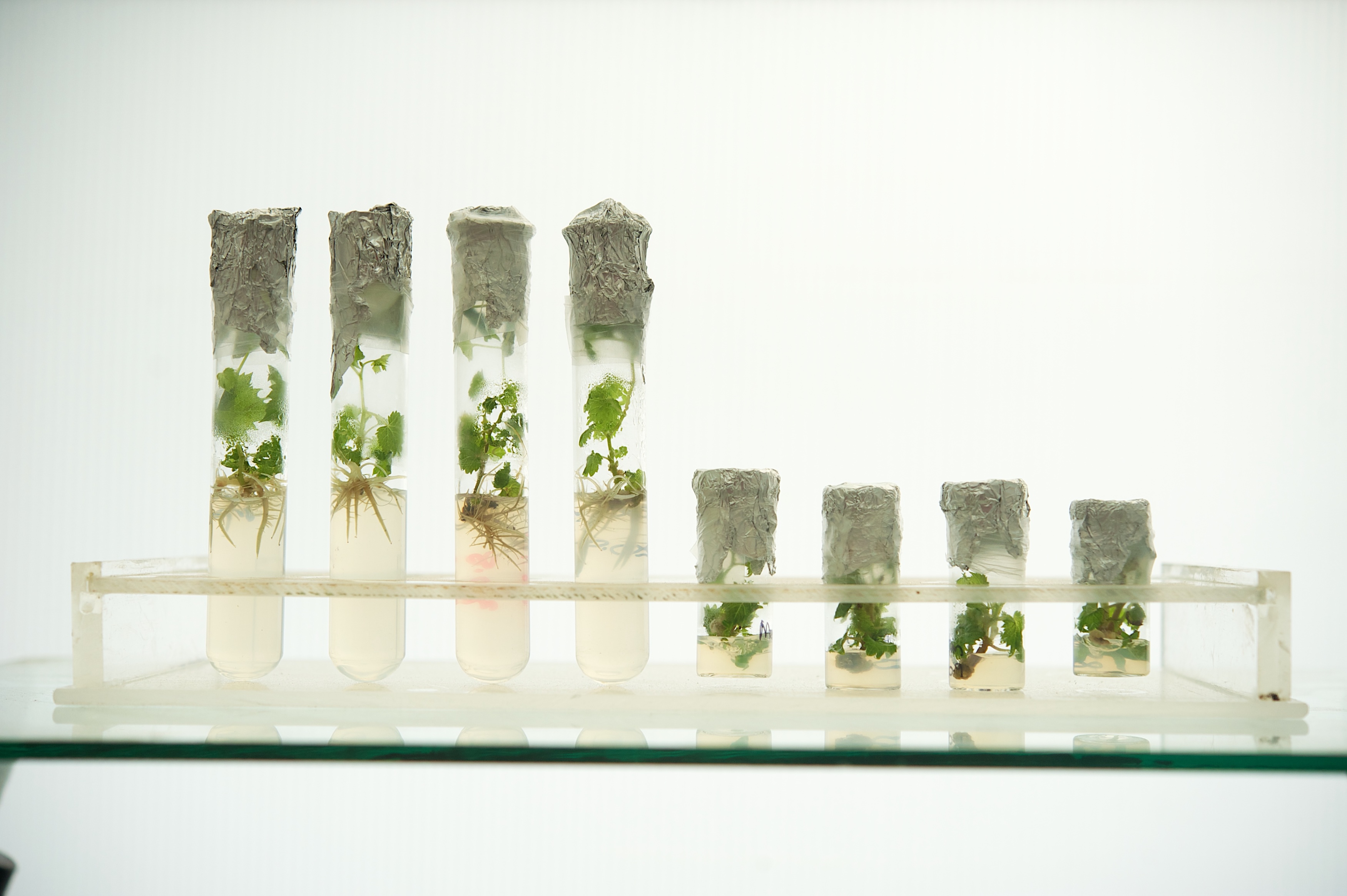
This image reflects the plant-material import process at Bosman Adama nursery.
The Science of Adaptation
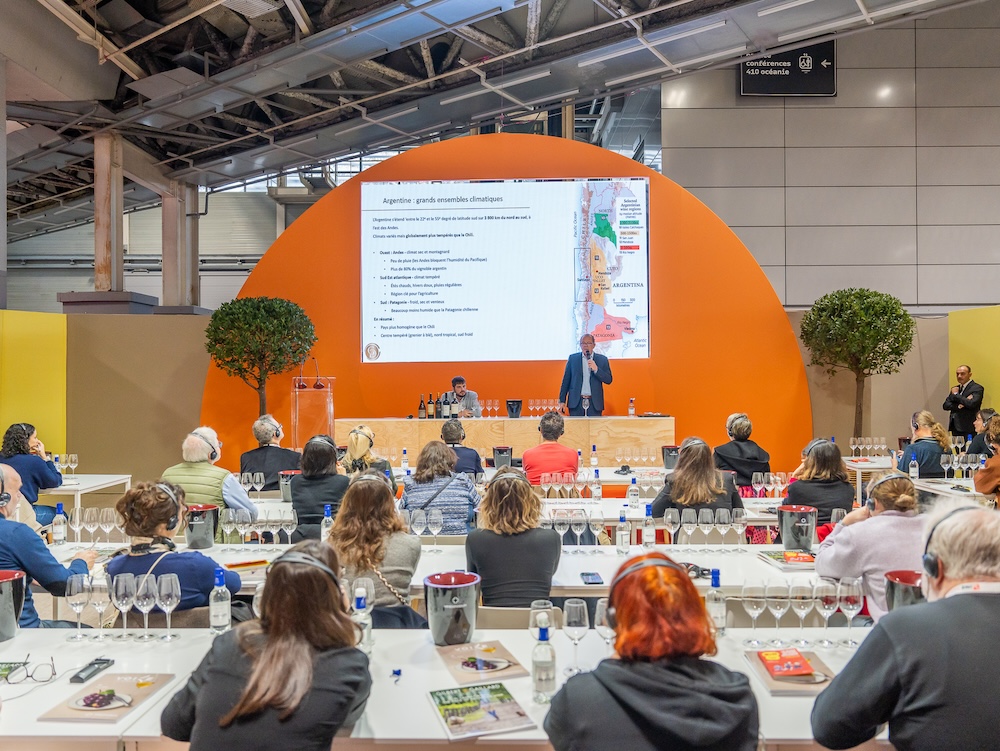
At the Cape Wine Trade Show in Cape Town, September 2025, Gary Jordan of Jordan Wine Estate (see Jordan Wine Estate results at GGIC) presented his findings on drought-resistant varieties. Assyrtiko, Xinomavro and Mencía are already planted on the estate, preparing for future water deficits and climate challenges.
"The decade from 2015 to 2024 was the warmest in the 175-year observational record," Jordan shared, noting the growing frequency and intensity of droughts and heatwaves worldwide, "with 2024 confirmed as the warmest year in history by the World Meteorological Organisation (WMO), followed by 2023.
"In a drier and warmer grape-growing environment, it's imperative that we understand how vines respond to water stress and plan future plantings around varieties and rootstocks that can cope," he added.
Vines regulate water through their stomata – tiny pores on leaves that control gas exchange. Some, known as isohydric varieties, close their stomata early to conserve water, slowing ripening and flavour development under stress. Others, called anisohydric, keep them open longer, sustaining photosynthesis and flavour build-up but risking dehydration when drought becomes severe.
"Grenache behaves more like an isohydric variety, while Syrah is distinctly anisohydric," Jordan explains. "That's why Syrah can maintain photosynthesis longer in dry conditions – but eventually dehydration becomes damaging."
Rootstocks, he believes, play a decisive role in moderating stress. Deep-rooted, drought-tolerant stocks such as R110 and 140 Ruggeri access moisture from deeper layers, maintaining growth where others would shut down.
"Matching scion and rootstock is key," he says. "It's not just about surviving drought, but producing balanced, expressive fruit under those conditions."
Jordan Estate is home to South Africa's first mother block of Assyrtiko, and its 2025 release earned 90 points in the Gilbert & Gaillard tasting. The wine's distinctive mineral core draws a clean vertical line through every layer – its acidity taut and vivid, balanced yet provocative in the way it holds attention. Planted on dry, windy, north-facing slopes overlooking the sea, this ancient variety is, in Jordan's words, "a love letter from the Mediterranean," capturing both place and pioneering spirit as the estate moves toward a regenerative future.
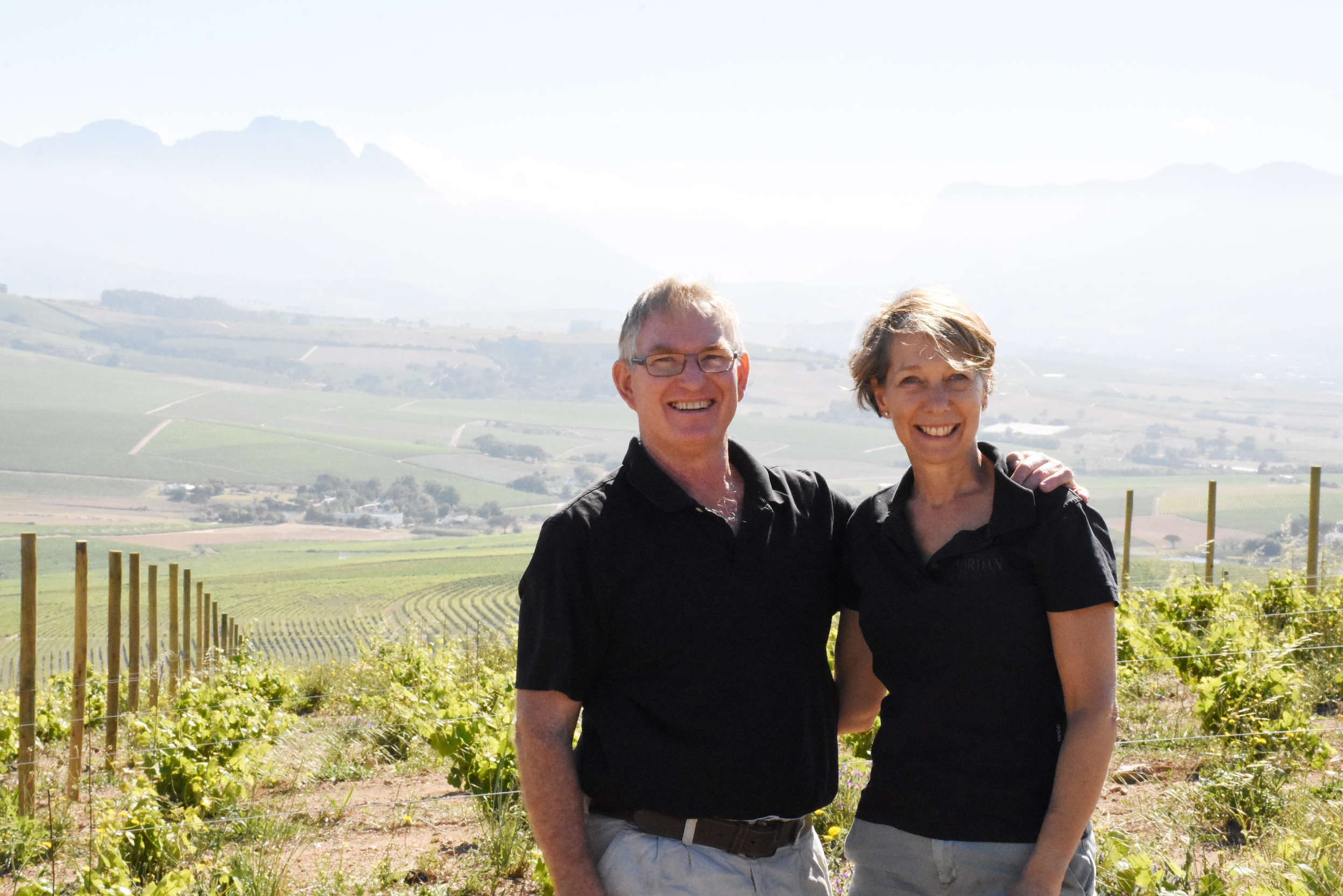
Gary and Kathy Jordan have shaped wines of precision and place since 1993 – continuing a legacy that began on this farm more than three centuries ago.
The Producers' Response
Changes in grapevine phenology – from budburst and flowering to ripening and compressed harvest windows – are among the clearest signs of a warming planet. These shifts alter the balance of ripeness, acidity and style, compelling winemakers to adapt mindfully to safeguard both vineyard longevity and brand equity.
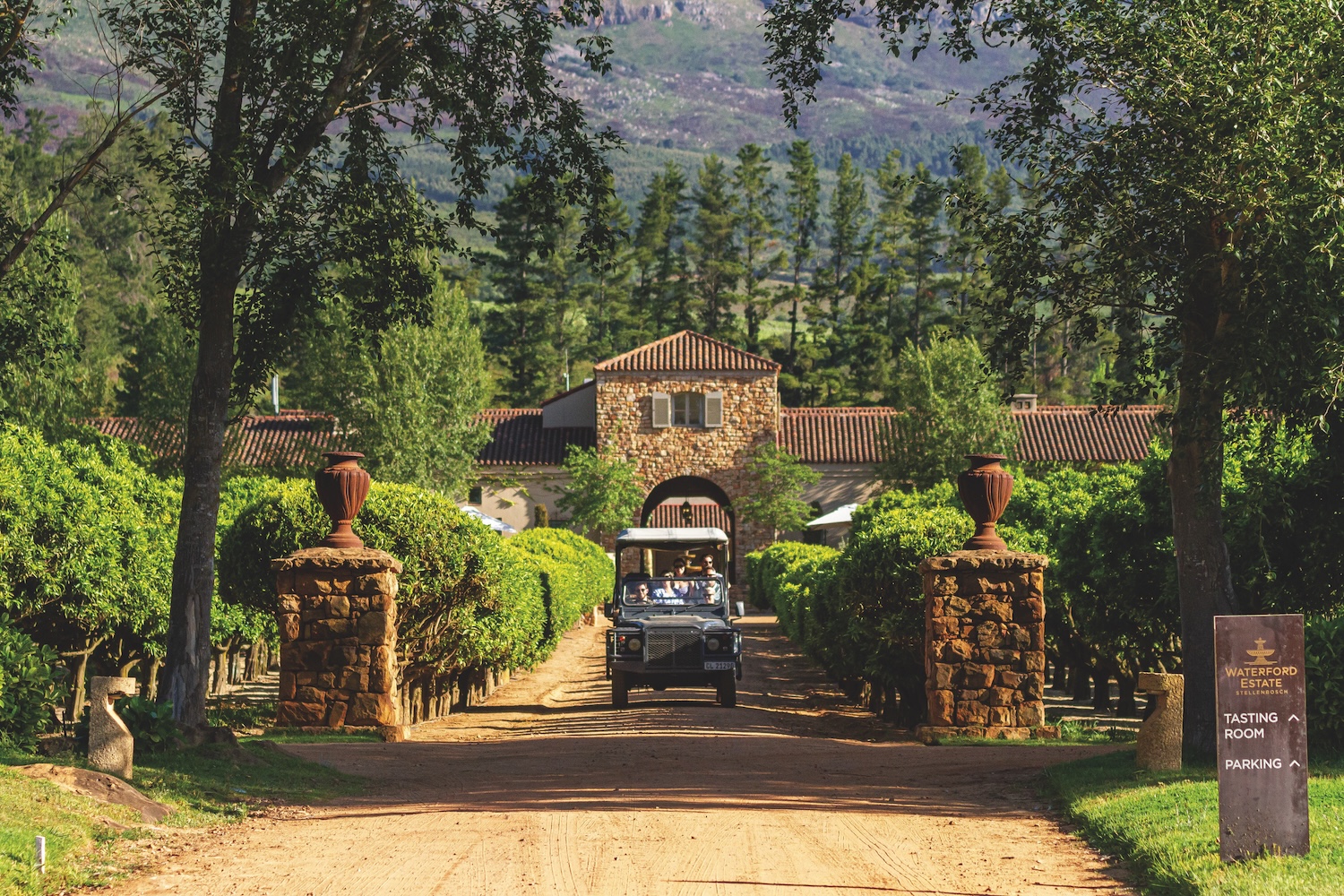
Waterford offers a guided wine drive safari tour of their vineyards.
Waterford Estate
On the Helderberg, that balance begins in the soil.
"All the Cape's wine regions within roughly 150 kilometres of the ocean fall within what we call the Cape Super Group," explains Mark Le Roux, cellar master at Waterford Estate (see Waterford Estate results at GGIC). "These were formed when the world's landmasses pushed against Africa, folding its surface like a giant wrap – that's where our diversity comes from."
He outlines two broad soil families: the Table Mountain Group's rocky sandstones higher up the slopes, and the Cape Granite and Malmesbury Group's heavier clays and granitic materials lower down. "From the ocean side, you can actually see the geological waves," he says.
The Helderberg's link to the Hottentots Holland range provides a steady water supply through tributaries and fast-draining slopes. "We're lucky," says Le Roux. "Even though our soils drain quickly, deep-lying clays hold enough moisture to sustain vines. During short heatwaves, we might irrigate just to move water through the plants."
Reflecting on the recent droughts, he adds: "What we saw was remarkable. The deeper clays didn't saturate like they used to, so the vines pushed roots further down – adapting to survive."
With Chenin and Grenache thriving under tough conditions, Waterford's results speak for themselves: the 2024 Chenin Blanc scored 94 points, and the 2022 Grenache 91 points – showing superb tension and ageing promise.
"Chenin's gnarly trunks, with their thick bark as natural sunblock, protect the wood, while firm skins prevent raisined flavours," says Le Roux. "Grenache matures slowly, building resistance, with fewer active leaves at peak ripeness, creating less surface area for water loss through evaporation".
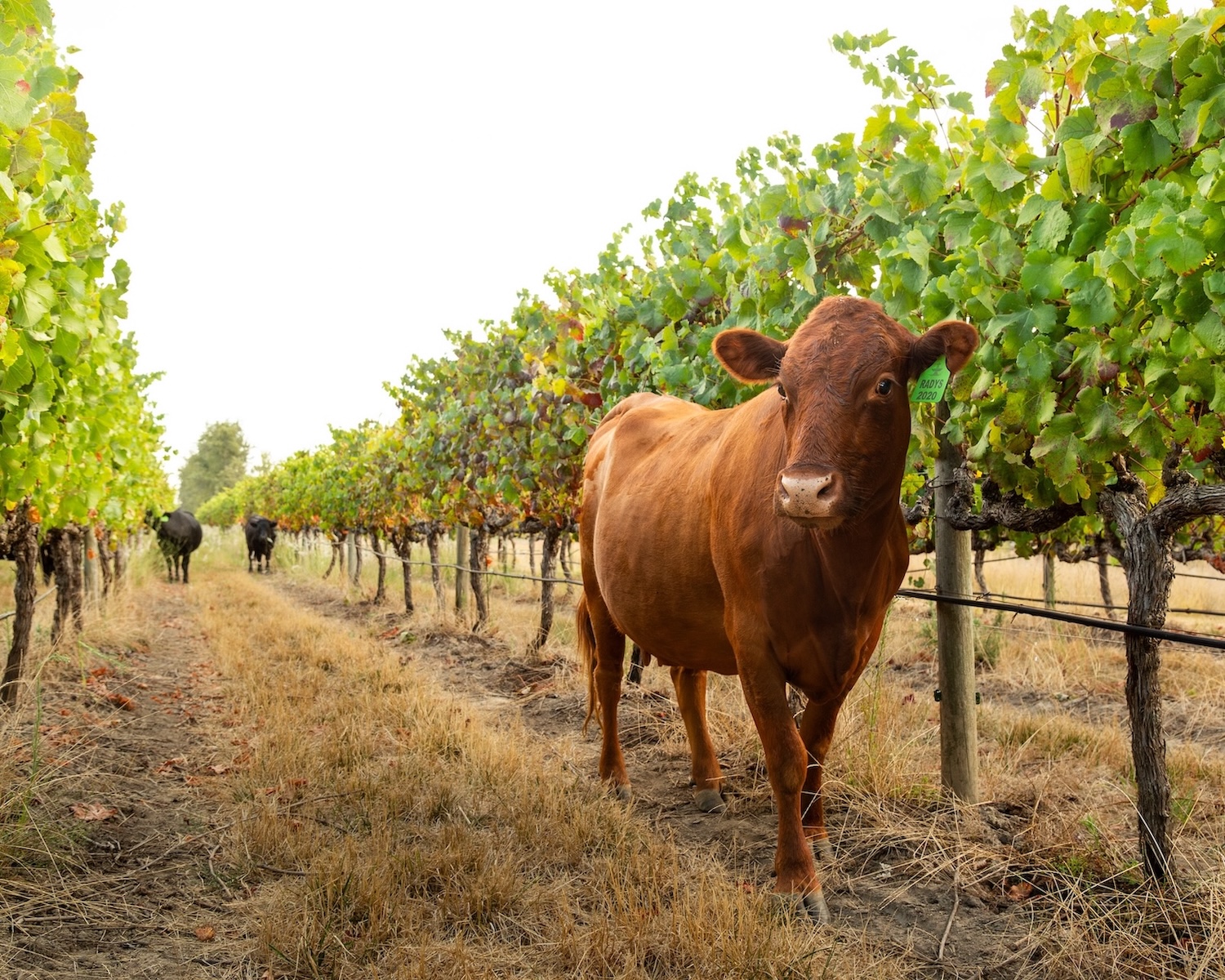
Long-term initiatives now focus on soil vitality. "We keep cover crops longer, let cattle graze to stimulate soil microbes, and use drone-assisted monitoring," he explains.
Still, he believes the Helderberg's natural assets remain invaluable, with the constant flow of mountain water and ocean breezes helping to retain the freshness that defines their wines.
"Data is useful, but it's only one snapshot. Experience is the real measure. Sixteen years in, and I'm only starting to feel some control."
For Le Roux, the lesson is simple: it's about patience and observation, not pressure and expectation.
"It takes time," he says. "The most suitable varieties, thriving in the right soils, will always make the superior wines."
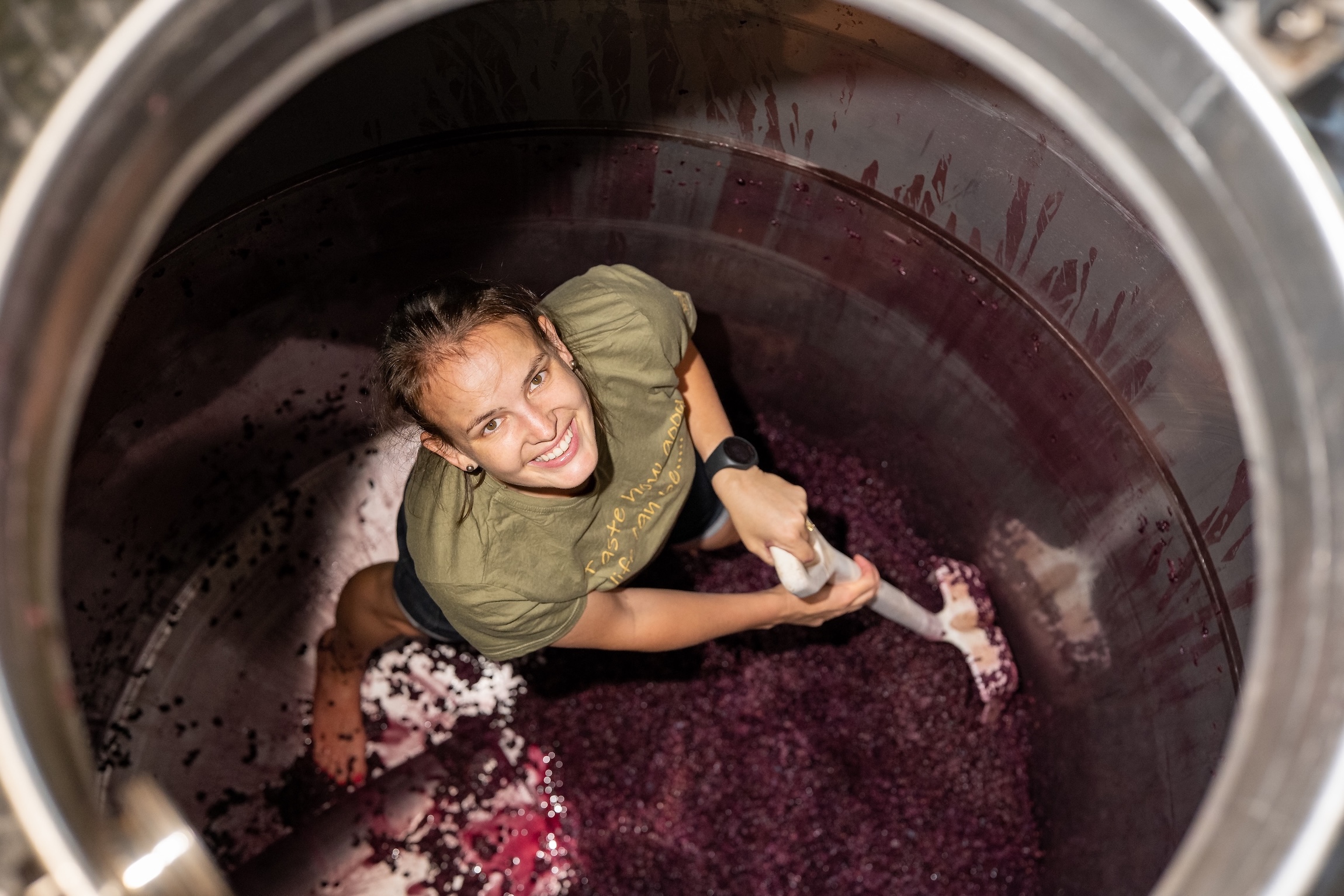
Winemaker Jamie Papenfus has been a part of the Waterford team for 10 years
Lievland Vineyards
Riaan Möller, head winemaker at Lievland Vineyards (see Lievland Vineyards results at GGIC) in Stellenbosch, also considers Chenin Blanc one of South Africa's true climate heroes.
"Especially old-vine Chenin," he says, "known for its deep roots under dryland conditions. Our Chenin grows mainly on shale soils, anchored deep into the earth."
Balancing vine adaptation with estate style is a tightrope act.
"We test new clones, adjust canopy management, explore alternative pruning methods and monitor leaf-water potential – but the wines must still deliver their trademark aromatics and texture," Möller explains. Both the Lievland Old Vine Chenin Blanc 2025 (91 points) and Lievland Rosé 2025 (a blend of Shiraz, Mourvèdre and Cinsaut that scored 90 points) reflect that precision – the Chenin vibrant and poised, the Rosé bright with red fruit and balance.
Perdeberg Cellar
In Paarl's Paardeberg foothills, Perdeberg Cellar (see Perdeberg Cellar results at GGIC) has made dryland character its hallmark. Albertus Louw, Production Manager for the group, believes Grenache Blanc, Chenin Blanc and Grenache Noir's suitability to dryland conditions goes hand in hand with soil. The first two, he notes, tend to ripen earlier on sandstone and granite, producing lighter, fresher styles, while Grenache Noir, a later ripener, performs better on heavier soils.
"All our Grenache is dryland, and 50% of our Chenin" he notes. "We prune and manage canopy carefully – early shoot removal ensures vines don't demand extra water."
The team has moved from tilling to rolling cover crops into mulch, creating a dry bed that retains moisture. Thermal mapping helps it assess site-specific variations across blocks.
"Chenin will always be our signature," says Louw, "but Grenache Blanc is definitely a white variety of the future. Grenache Noir is steadily replacing Cinsaut and producing lighter, chillable reds in growing demand internationally," a shift echoed across the Cape's Rhône-style wines of South Africa.
Perdeberg's Dryland Collection Chenin Blanc 2024 earned 93 points, their Vineyard Collection Grenache Blanc following with 90 points.
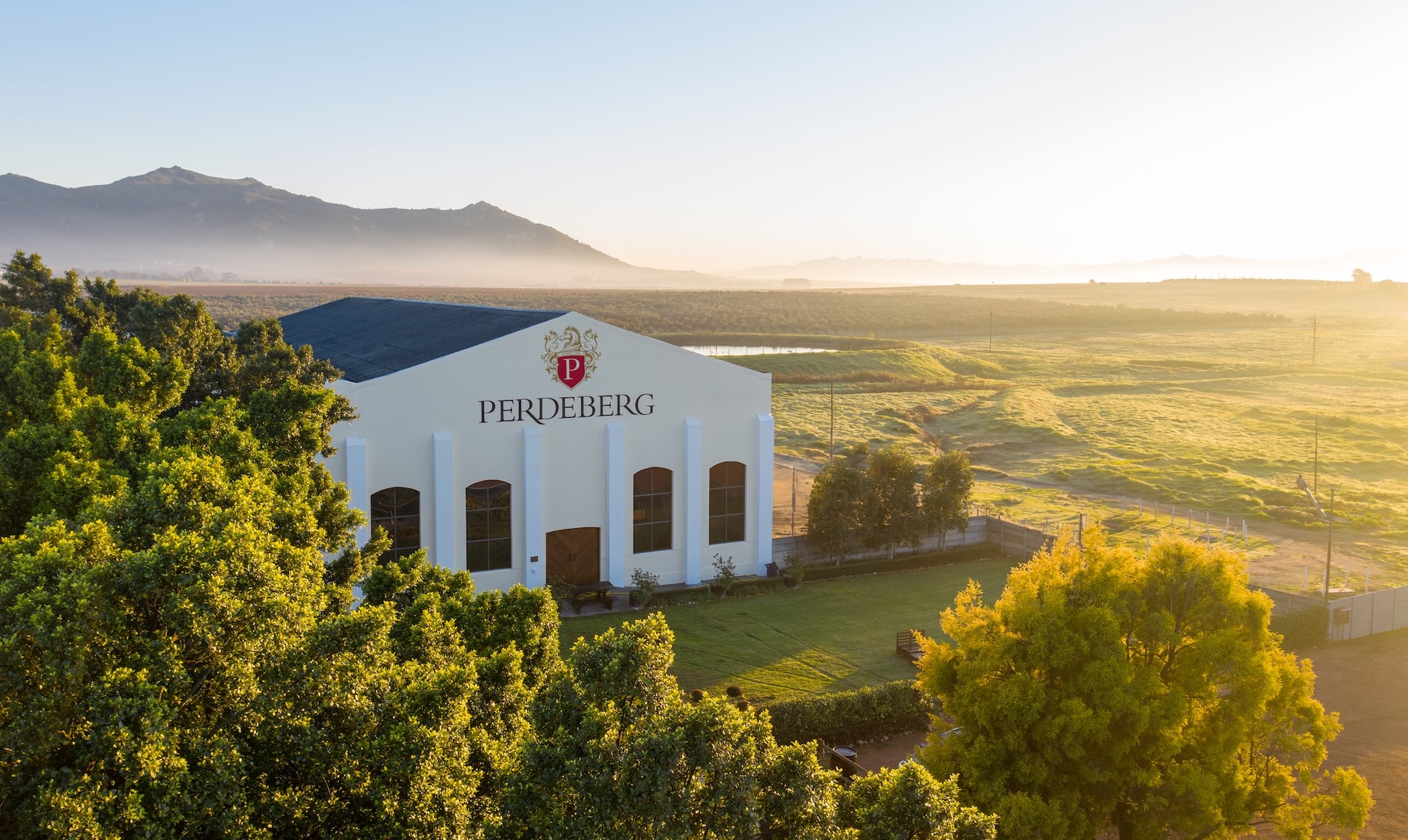
Perdeberg Cellar, nestled in the dryland heart of the Voor-Paardeberg.
Survivor Wines
For Survivor Wines (see Survivor results at GGIC), the Swartland's drought cycles have reinforced a philosophy of minimal intervention and site-specific precision.
"Building organic matter in healthy soil is our greatest reservoir against drought," says Pierre Wahl, a winemaker well-versed in sun-drenched regions.
"Dry-farming is at the heart of Survivor's identity – expressing the land truthfully while protecting its vitality."
Smaller canopies provide dappled light, balanced crops encourage even ripening, and earlier harvests preserve freshness without sacrificing concentration.
"When nature gives you thicker skins, extract more gently," Wahl adds. "In dry years, we use whole-berry pressing and minimal skin contact to capture purity."
The Grenache Rosé 2024 shows their philosophy with its tactile quality in the glass: fine chalky texture, vivid red-fruit purity, and a dry, savoury finish.
While also running trials with drought-tolerant rootstocks, they want Survivor to stand as a testament to South Africa's ability to thrive under challenge.
"True sustainability isn't about doing less; it's about working in harmony with nature to achieve more."
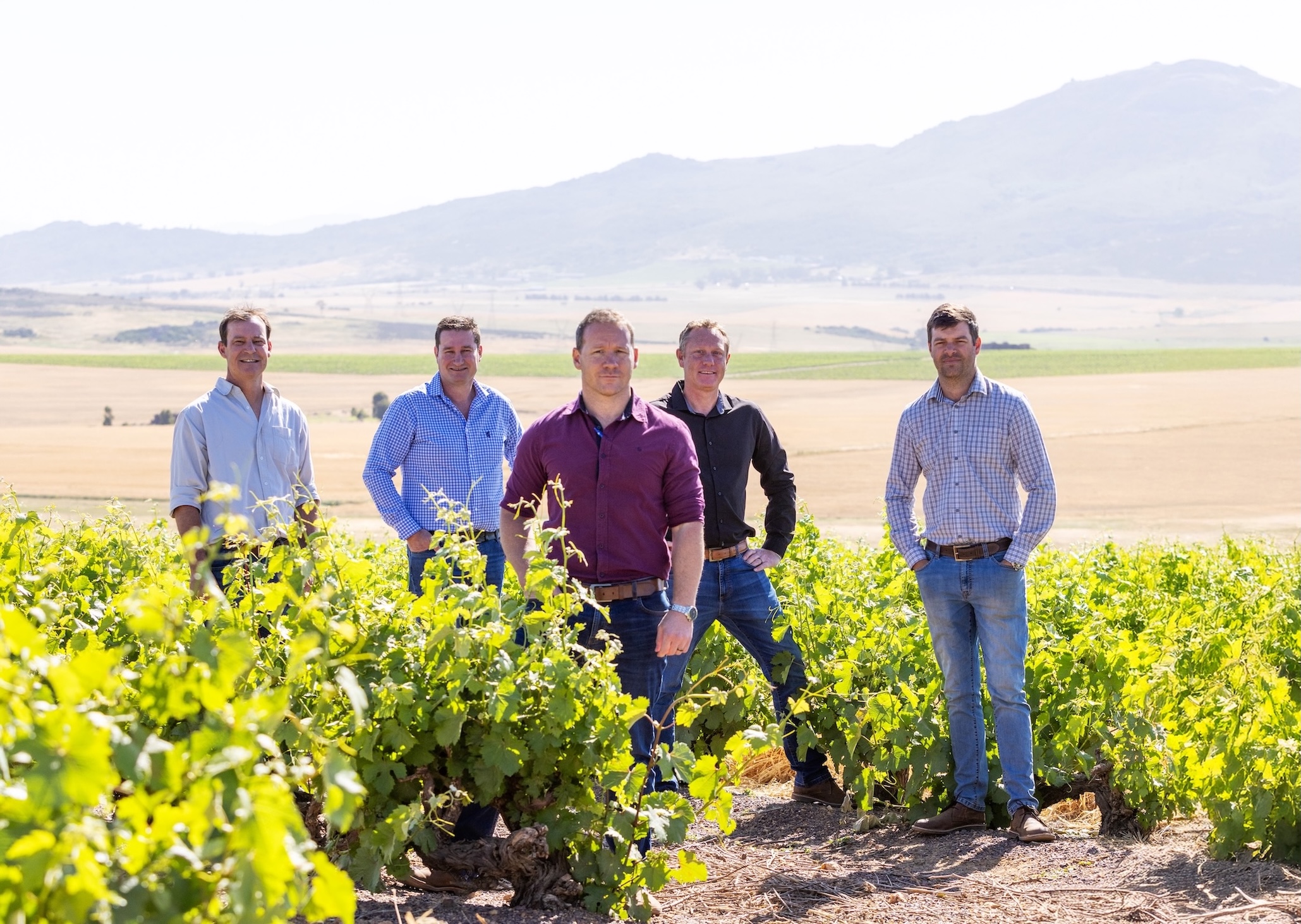
Team Perdeberg – the people behind the wines.
Strandveld Vineyards
While drought defines much of South Africa's inland viticulture, along the southernmost tip of Africa another force shapes survival: the wind.
At Strandveld Vineyards (see Strandveld Vineyards results at GGIC) near Elim, the challenge isn't heat per se but constant exposure to relentless gusts that test the vines differently.
Over two decades, winemaker Conrad Vlok has recorded average growing-season temperatures of just 20.5°C, allowing slower ripening and remarkable colour stability. Here, veraison typically begins in mid-January, with varieties like Syrah harvested almost two months later.
"Unlike warmer regions, our extended ripening doesn't lead to overt fruitiness," he says. "It gives us a more savoury, peppery Syrah with lavender and violet notes." The Strandveld Syrah 2022 earned 92 points for precisely that restraint.
Wind is both ally and adversary, with recorded speeds exceeding four metres per second for more than 200 hours in some months. The vines respond by briefly shutting down to conserve moisture, extending hang time and slowing ripening.
"We plant rows east–west to reduce damage and create calmer microclimates within the canopy," Vlok notes. "Still, Syrah's delicate canopy suffers. Salt-laden air, though visually damaging through salt burn, leads to smaller berries and thicker skins, enhancing phenolic ripeness. The wind acts like natural air-conditioning – it slows everything down."
Beneath the vineyard surface lie layers of ferricrete, sandstone and quartzite, resting above ancient riverbeds and weathered shale – subsoils pale as chalk and rich in minerals. They form the foundation for wines with naturally low pH and vibrant acidity, needing little, if any, adjustment.
"The freshness and tension in our wines come from this combination of cool climate and unique soils," says Vlok – proof that even at the edge of the continent, vines will always find a way to survive.
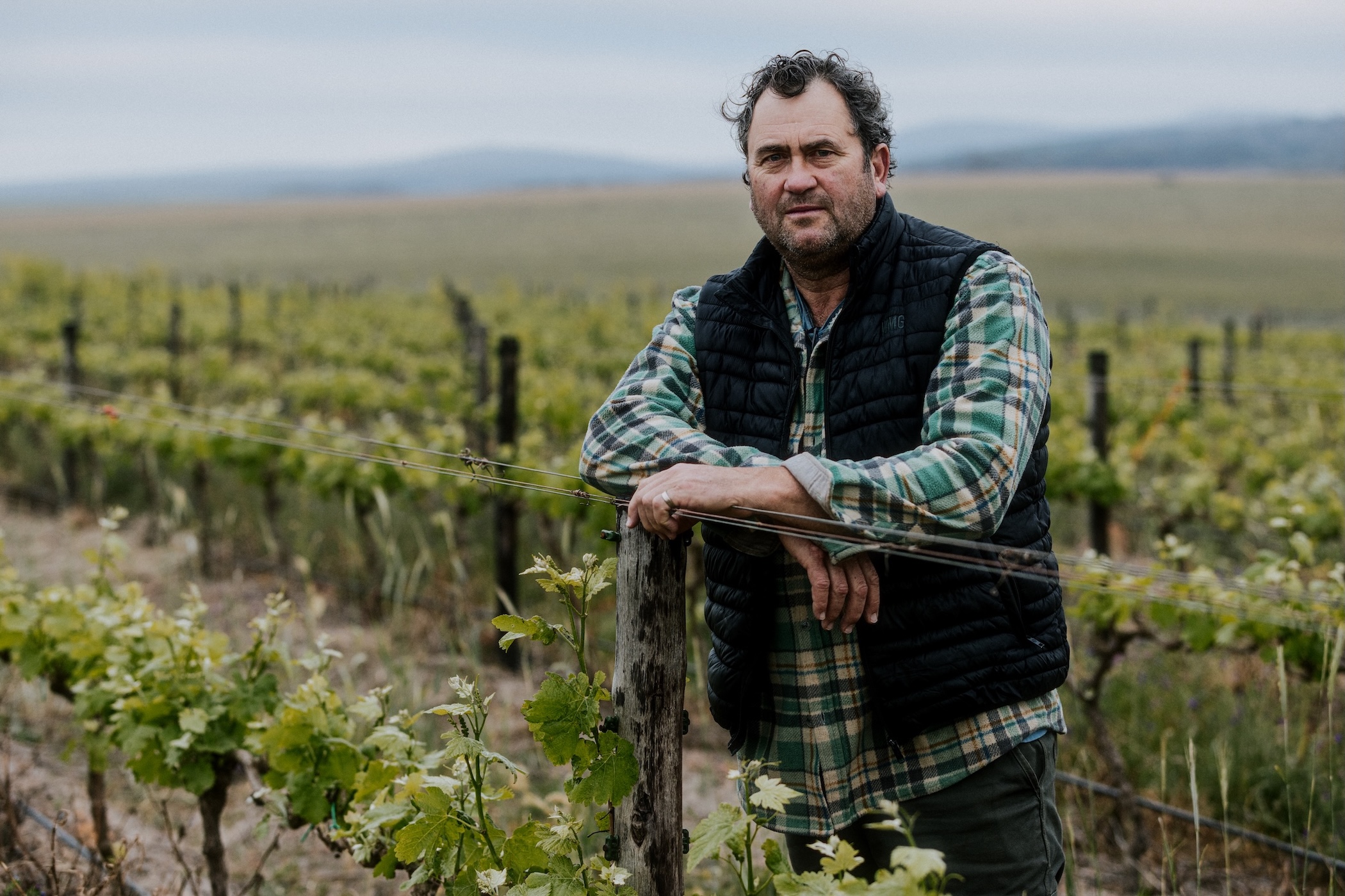
Conrad Vlok has been the cellarmaster at Strandveld since 2004.
Looking Ahead
What's unfolding in South Africa is not an isolated story – the winelands of the world are being called to think more critically about rootstocks and varieties fit for the future. If marketed wisely, consumers will be eager to explore something new when names like Souvignier Gris and Arinarnoa begin to share shelf space with Sauvignon Blanc and Merlot.
Chenin Blanc continues to stand as the steadfast anchor of South Africa's viticultural identity, with Grenache Noir rising as its red counterpart. Across the Cape, each producer, in their own landscape, is learning to listen more closely to the land. Nature will adapt if we allow it – and the message of regenerative viticulture need not be confined to farming but expressed through flavour, restraint and authenticity.
Perhaps the true measure of fine wine in the years to come won't lie in its price or prestige, but in how thoughtfully it tells the story of survival.
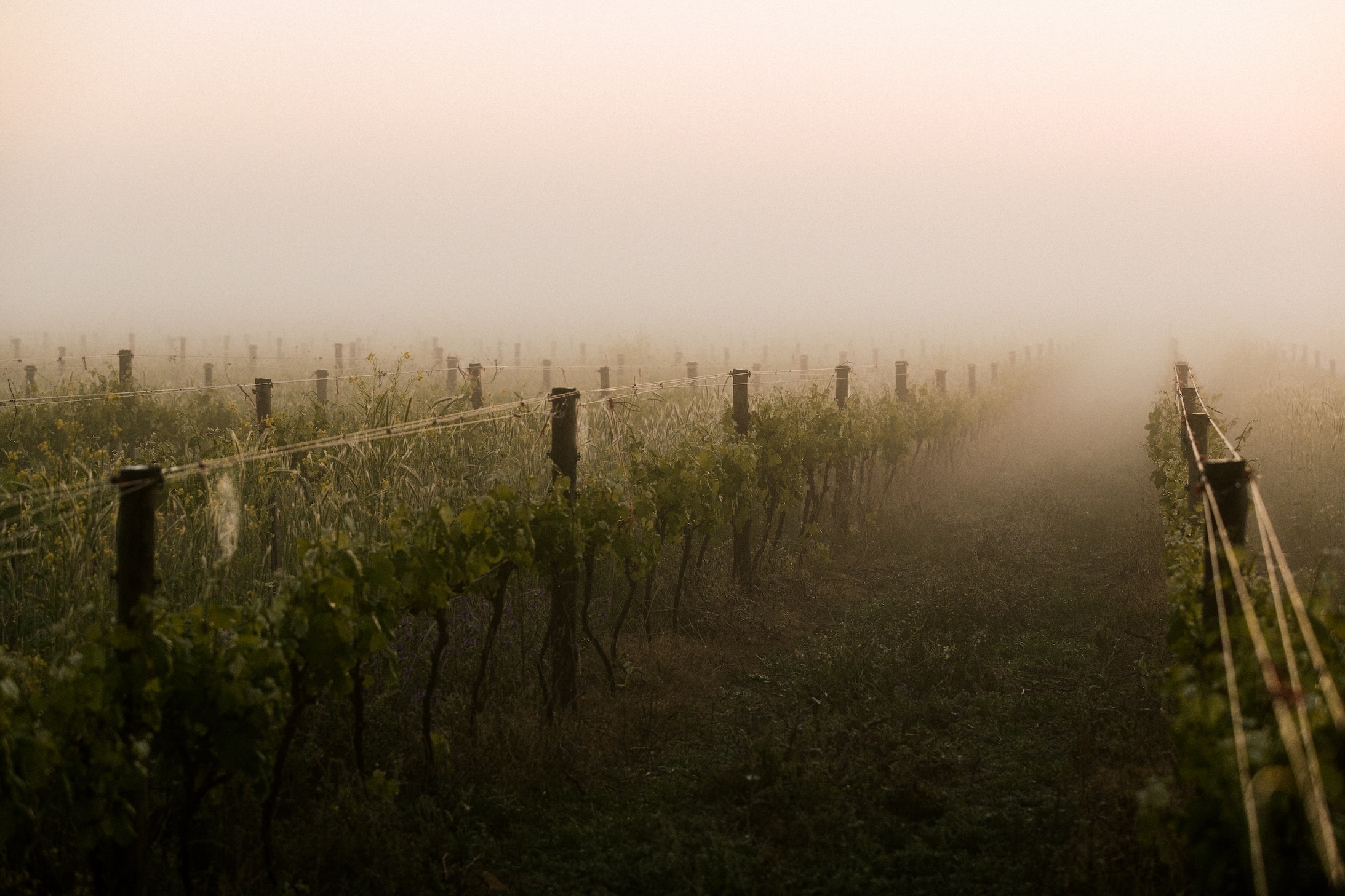
Stillness before the wind – a fog-draped morning at Strandveld.