The 2026 vintage will be remembered for a particularly gruelling growing season in Beaujolais. Between an early start, hailstorms, intense heat and summer drought, growers had to contend with demanding weather conditions. While volumes are expected to be down, the quality of the grapes and their fine ripeness point to promising wines. A look back at this singular year and at the cuvees that caught our attention during the Gilbert & Gaillard International Challenge tasting.
A sunny, early 2026 vintage
It was only to be expected: 2026 turned the Beaujolais growing calendar upside down. After a relatively wet start to the year, the vineyard went through a succession of hot, dry spells, with temperatures around 2°C above seasonal averages. Two particularly violent storms, at the end of June and in mid-July, also caused significant damage, notably from hail, affecting nearly 4,000 hectares of vines.
Against this backdrop, the first harvesting began as early as 13 August in the earliest-ripening areas, well ahead of the usual calendar. The heat and lack of water encouraged rapid ripening of the grapes, with smaller berries and generally limited yields.
On the other hand, the health of the vineyard proved particularly satisfactory. The absence of significant pressure from the main vine diseases allowed producers to pick healthy grapes that had reached good ripeness.
A contrasting vintage, then, in which quantity gives way to quality. Early tastings reveal wines marked by fine fruit ripeness and generous substance. A sunny profile that should give rise to expressive, delicious Beaujolais Nouveaux, true to the identity of Gamay (see also our review of the 2025 Beaujolais vintage).
Beaujolais Nouveaux 2026: fruit and pleasure on the menu
Every year, the third Thursday of November is a key date for the Beaujolais vineyard (relive our tasting of the 2024 Beaujolais Nouveaux). Beyond its festive, popular character, Beaujolais Nouveau is also a superb showcase for the growers' expertise and their ability to express the personality of a new vintage within its very first weeks.

The tasting held on 14 October as part of the Gilbert & Gaillard International Challenge offered a first look at the early expressions of the 2026 harvest. The results reflect some fine successes, with many cuvees awarded and three wines that particularly caught our attention.
Our 2026 favourites
Among the samples tasted, three cuvees stand out for their results and illustrate the diversity of styles on offer this year, in Beaujolais and Beaujolais Villages alike.
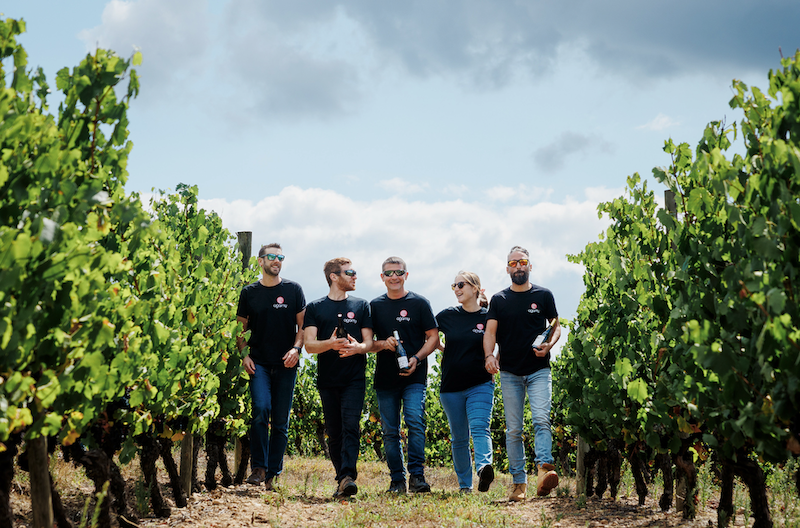
Agamy: Louis Tête (Inaba), Beaujolais Nouveau 2026
Tasting note:
« Attractive, concentrated colour with purple tints. Expressive nose combining floral, fruity and peppery scents. The palate is broad and silky, revealing the same highly typical aromatic range. A very well-crafted new wine. »
Double Gold Medal 2026

About the cellar:
Born in 2016 from the merger of four historic cellars (Quincié, Bully, the Coteaux du Lyonnais and the Vignerons Foréziens), Agamy (see Agamy's results at the Gilbert & Gaillard International Challenge) embodies a collective venture dedicated to its terroirs and to Gamay. With nearly 900 hectares of vines and a team of some 200 growers, the cooperative stretches from the Beaujolais hills to the Coteaux du Lyonnais and on to the volcanic terroirs of the Côtes du Forez. This geological and human diversity is a real asset for crafting wines with varied profiles. With its Louis Tête (Inaba) cuvee, Agamy delivers one of the standout successes of this tasting, rewarded with a Double Gold Medal 2026.
Domaine de la Revol: Beaujolais Nouveau 2026
Tasting note:
« Attractive deep purple colour. Lovely classic nose, floral and fruity. The palate combines breadth, substance and freshness all at once, delivering intense, persistent fruit aromas. A very complete Beaujolais. »
Double Gold Medal 2026
About the estate:
Based in southern Beaujolais, between Lyon and Mâcon, the Debourg family has upheld a family winegrowing tradition for four generations at Domaine de la Revol (see Domaine de la Revol's results at the Gilbert & Gaillard International Challenge). Across some twenty hectares, Corinne, Bruno and Thibaut Debourg mainly grow Gamay and Chardonnay, on a mosaic of clay-limestone and granite terroirs. Committed to a hands-on approach that respects the vine, the estate favours hand harvesting in particular and tailors its winemaking to the character of each terroir. Carbonic maceration, traditionally used to make primeur wines, is employed here to bring out the full expression of Gamay.
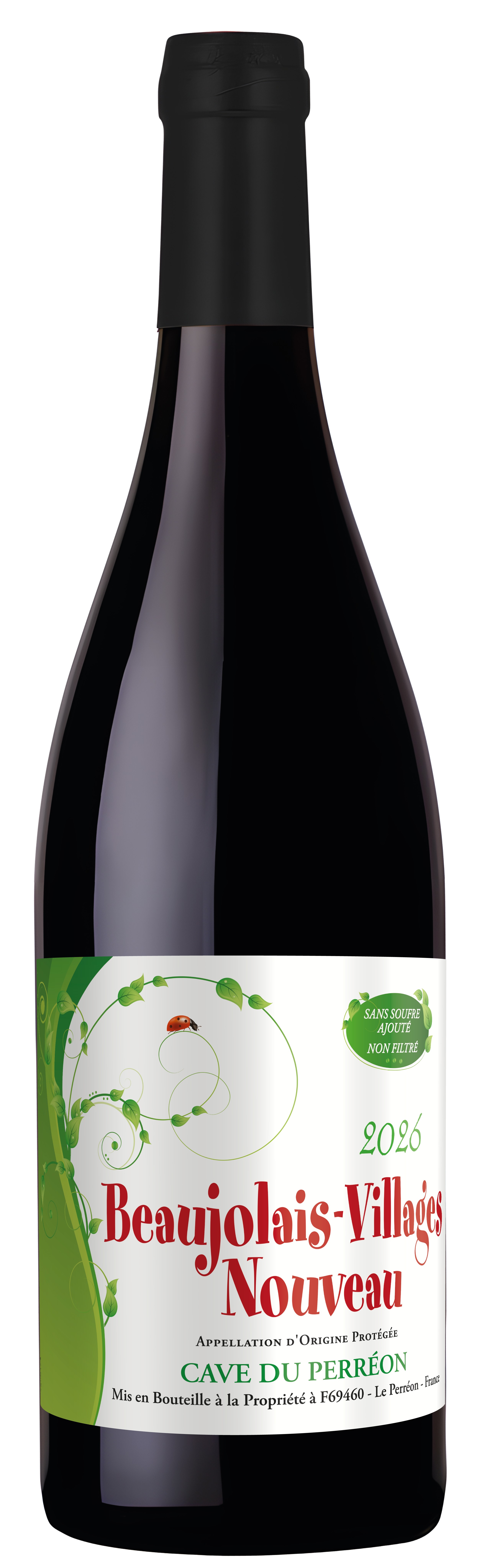
Cave du Château des Loges: Beaujolais Villages Nouveau 2026, Unfiltered, No Added Sulphites
Tasting note:
« Very concentrated colour with purple tints. Very ripe nose of stone fruit and cherry. On the palate, a very clean attack, plenty of substance and breadth. The aromas are well showcased. A festive, delicious Beaujolais Villages. »
Double Gold Medal 2026
About the cellar:
Based in Le Perréon, the Cave du Château des Loges (see Cave du Château des Loges' results at the Gilbert & Gaillard International Challenge) is an emblematic cooperative of the Beaujolais vineyard whose history dates back to 1958. It all began when a group of cooperative growers decided to join forces and acquire the Château des Loges in order to set up a shared winemaking facility there. Since then, the organisation has grown considerably and today brings together 176 growers farming nearly 400 hectares of vines. With an average output of 23,000 hectolitres, the cellar showcases a wide range of expressions of Beaujolais and Beaujolais Villages. This unfiltered cuvee with no added sulphites stands out this year for its concentration, aromatic intensity and generosity, earning a Double Gold Medal 2026.
A fine collective momentum
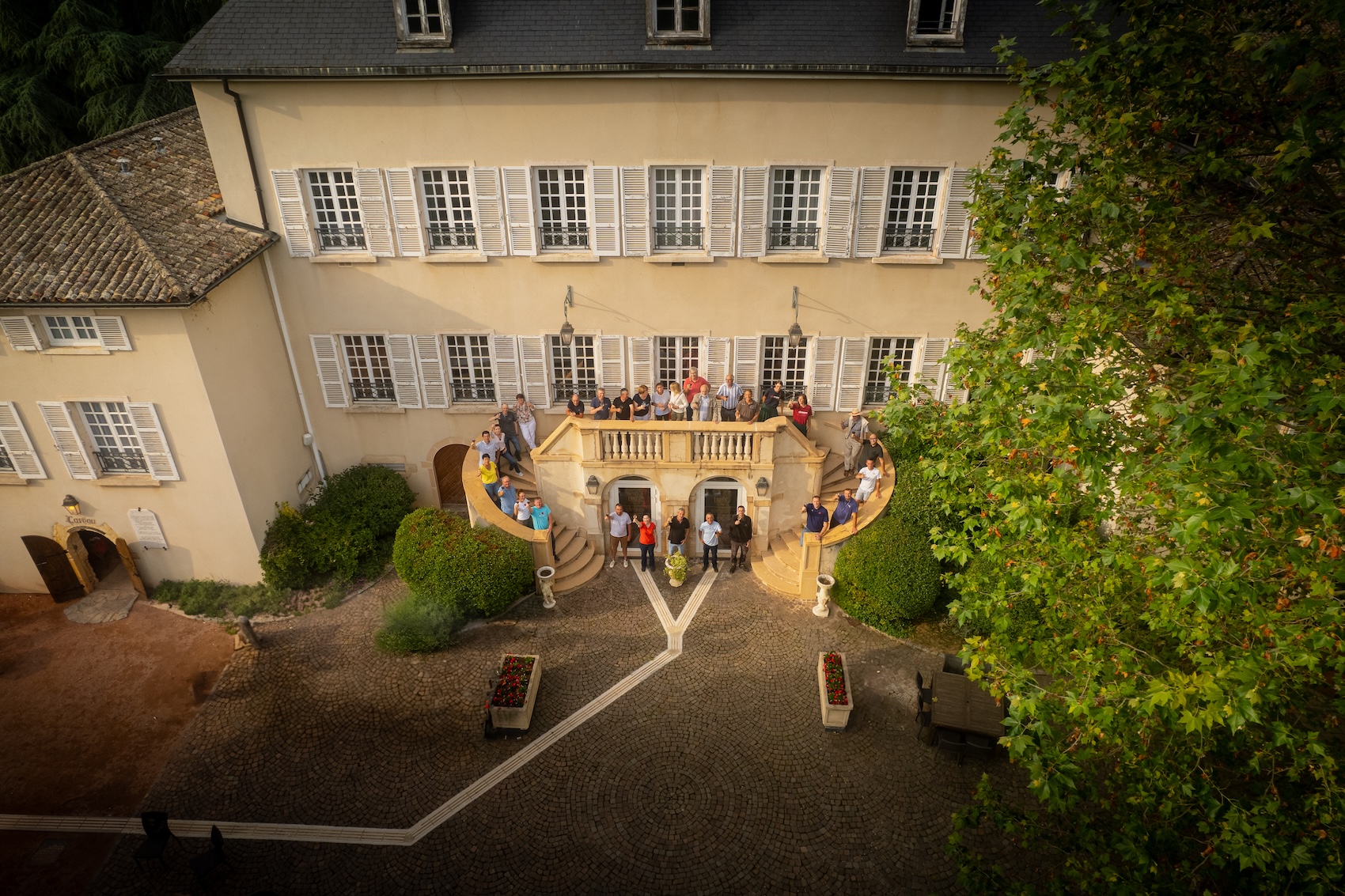
We would like to thank InterBeaujolais for its welcome and for the excellent organisation of this tasting session. Special thanks go to Olivier Badoureaux and Marion Favre for their availability, their support and the smooth running of the event.
These gatherings are essential for meeting producers, discussing new releases and shining a light on the work of the people who bring the Beaujolais vineyard to life, from the Beaujolais Nouveaux to the Beaujolais crus.
As the third Thursday of November approaches, the 2026 Beaujolais Nouveaux are getting ready to take their place on our tables once again. A vintage which, despite a demanding growing season, confirms once more that pleasure and quality can go hand in hand with conviviality.
FAQ: Beaujolais Nouveau 2026
Why is the 2026 vintage described as sunny in Beaujolais?
Because it saw a succession of hot, dry spells, with temperatures around 2°C above seasonal averages. This heat encouraged rapid ripening of the grapes and produced wines marked by fine fruit ripeness.
When did the 2026 harvest begin in Beaujolais?
The first harvesting began as early as 13 August in the earliest-ripening areas, well ahead of the usual calendar.
Are volumes large for the 2026 vintage?
No, volumes are expected to be down: heat, lack of water and hail, which affected nearly 4,000 hectares of vines, limited yields. On the other hand, the grapes harvested are healthy and nicely ripe.
When is Beaujolais Nouveau released?
Beaujolais Nouveau goes on sale every year on the third Thursday of November, a festive, popular occasion that also showcases the growers' expertise.
Which 2026 Beaujolais Nouveaux won a Double Gold Medal at the Gilbert & Gaillard International Challenge?
At the tasting on 14 October, three cuvees particularly caught our attention: Agamy's Louis Tête (Inaba), Domaine de la Revol and the Cave du Château des Loges (unfiltered Beaujolais Villages Nouveau with no added sulphites).