José Maria da Fonseca is rooted in 200 years of history, yet continues to stay ahead of the curve, blending time-honoured craftsmanship with a genuine culture of innovation. Across seven generations, this vitality and pioneering mindset have fuelled an outstanding legacy that has transformed the Portuguese wine industry and played a decisive role in elevating the international reputation of Portugal’s wines.
José Maria da Fonseca, a pioneer of exports and Moscatel de Setúbal
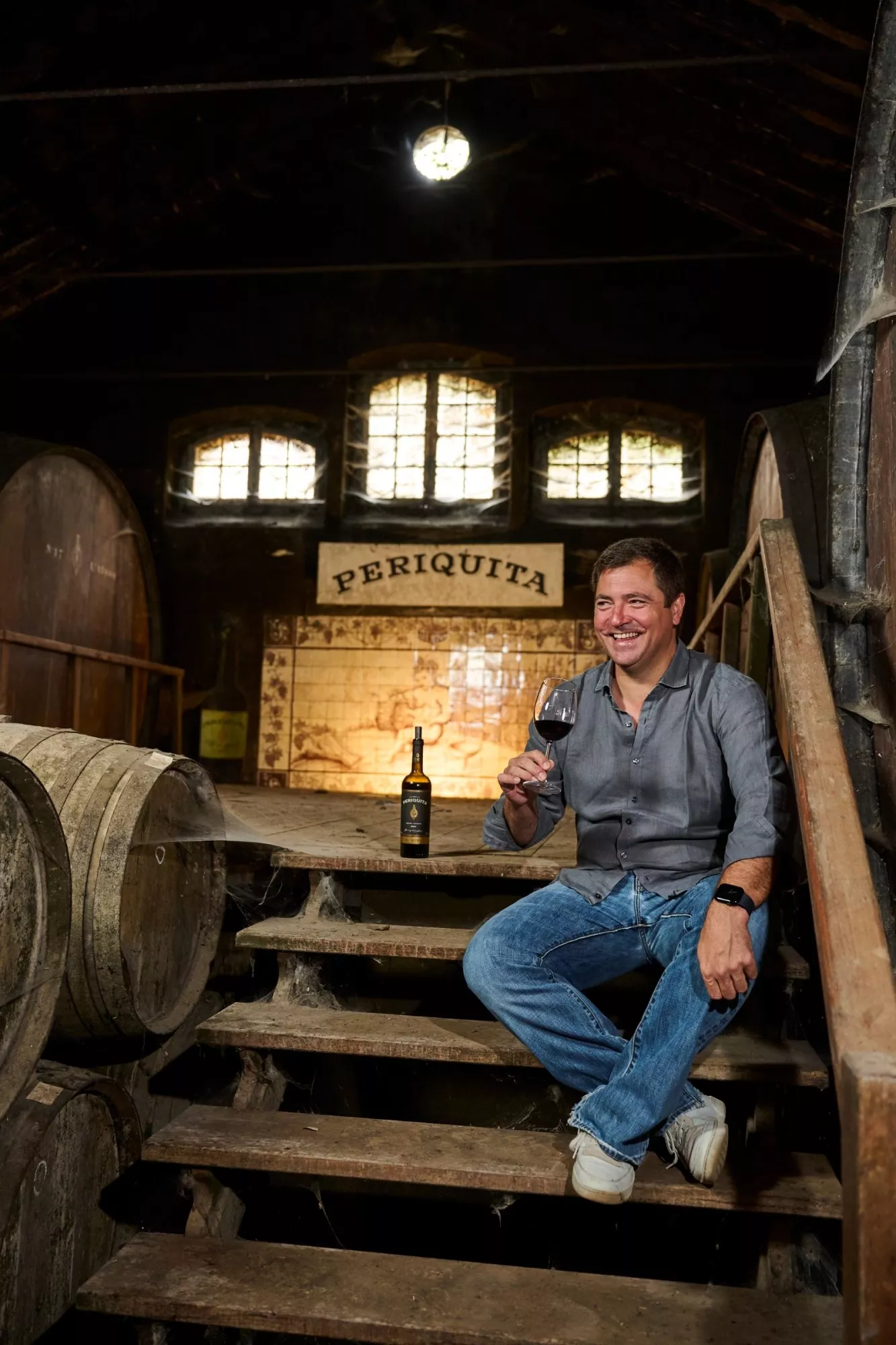
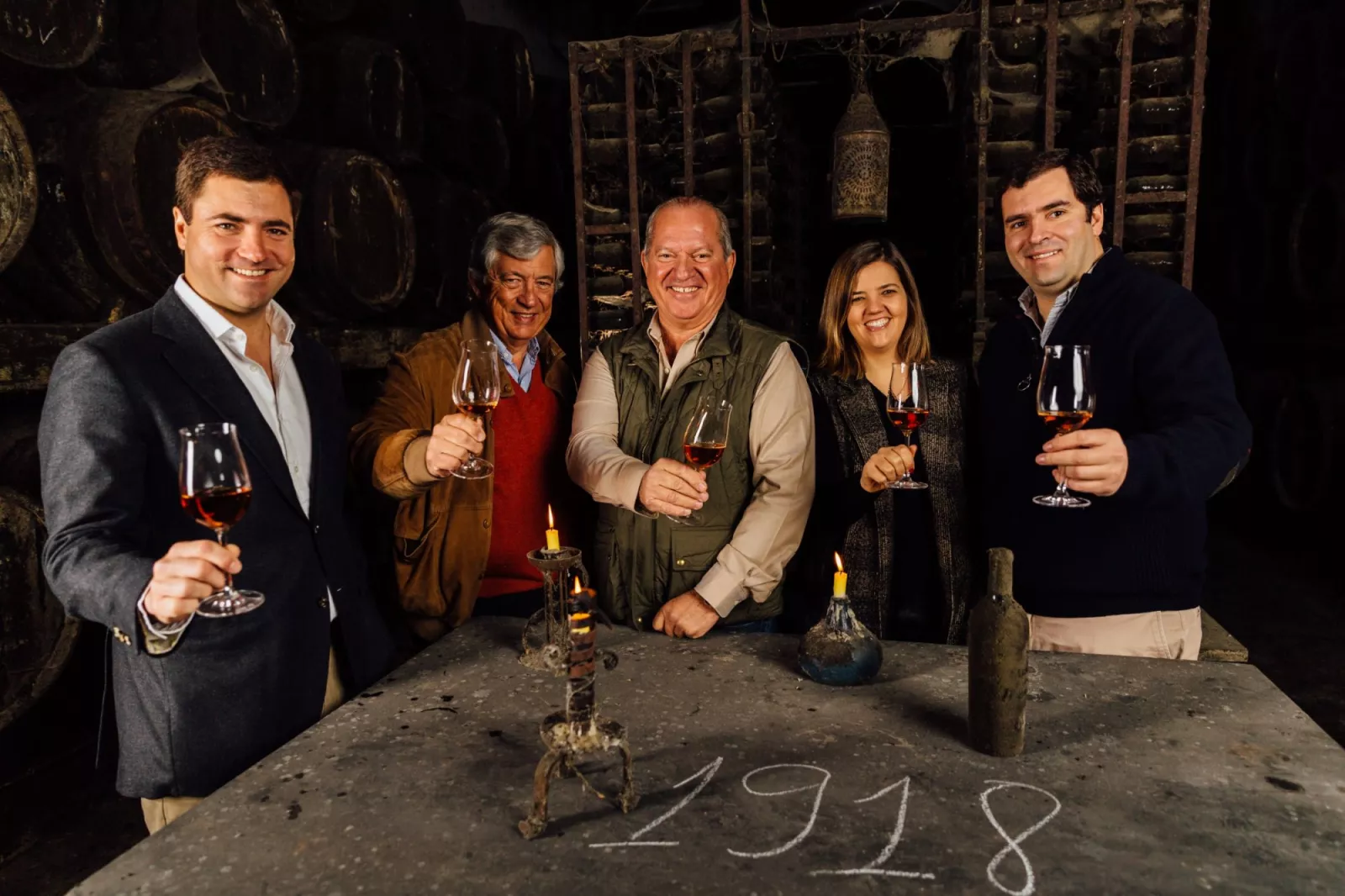
António Maria Soares Franco, CEO of José Maria da Fonseca
A pioneer in export markets, José Maria da Fonseca ranks among Portugal’s leading wine companies, with a reach that extends far beyond national borders. The family-owned business has earned a distinguished reputation as one of the oldest producers still crafting the prestigious Moscatel de Setúbal. As business manager Marta Oliveira explains, “The traditional methods of fortification and maturation are passed down from one generation to the next and remain the cornerstone of our identity”.
A heritage that needs nurturing: amphorae, lagares and living tradition
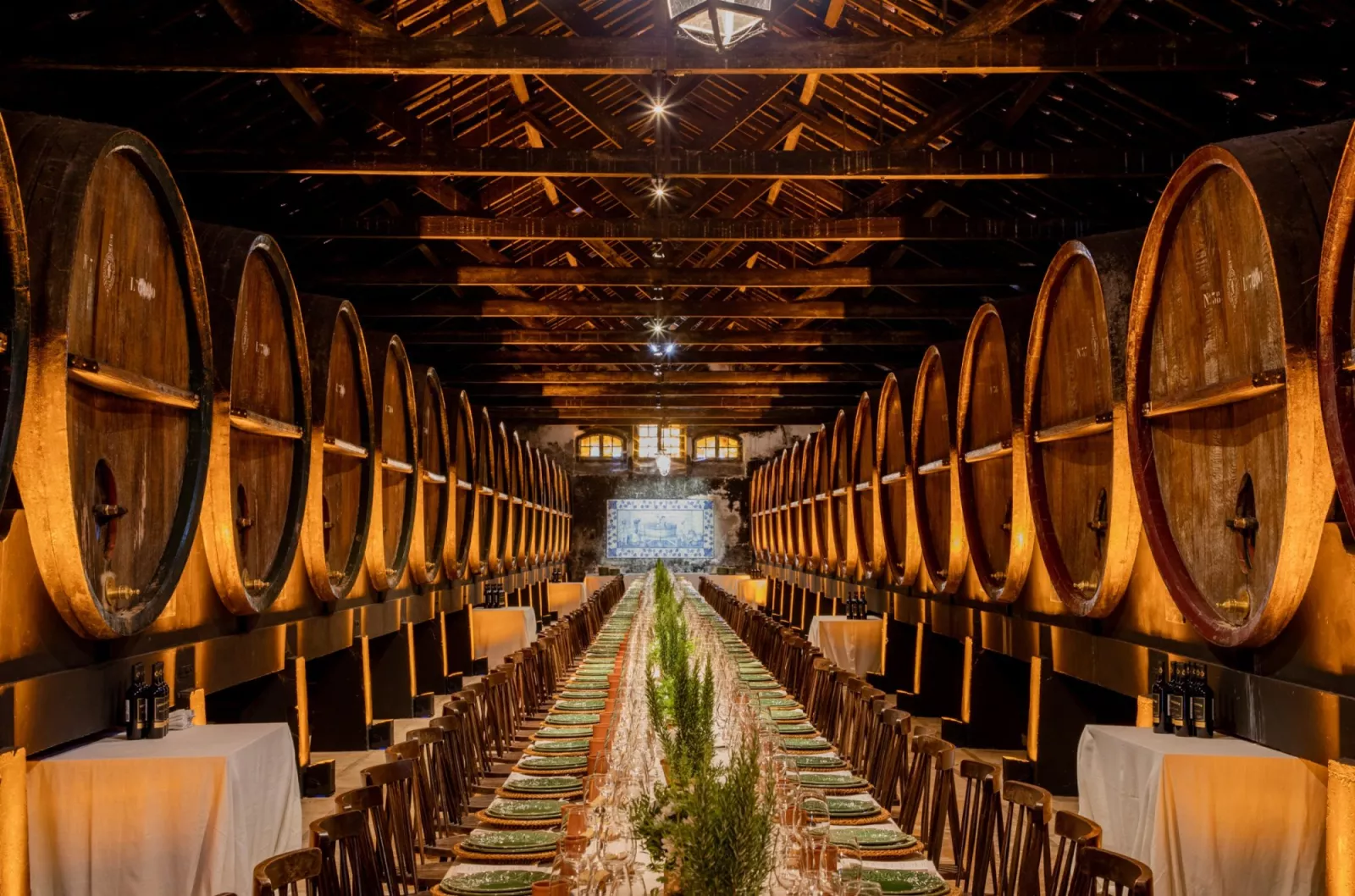
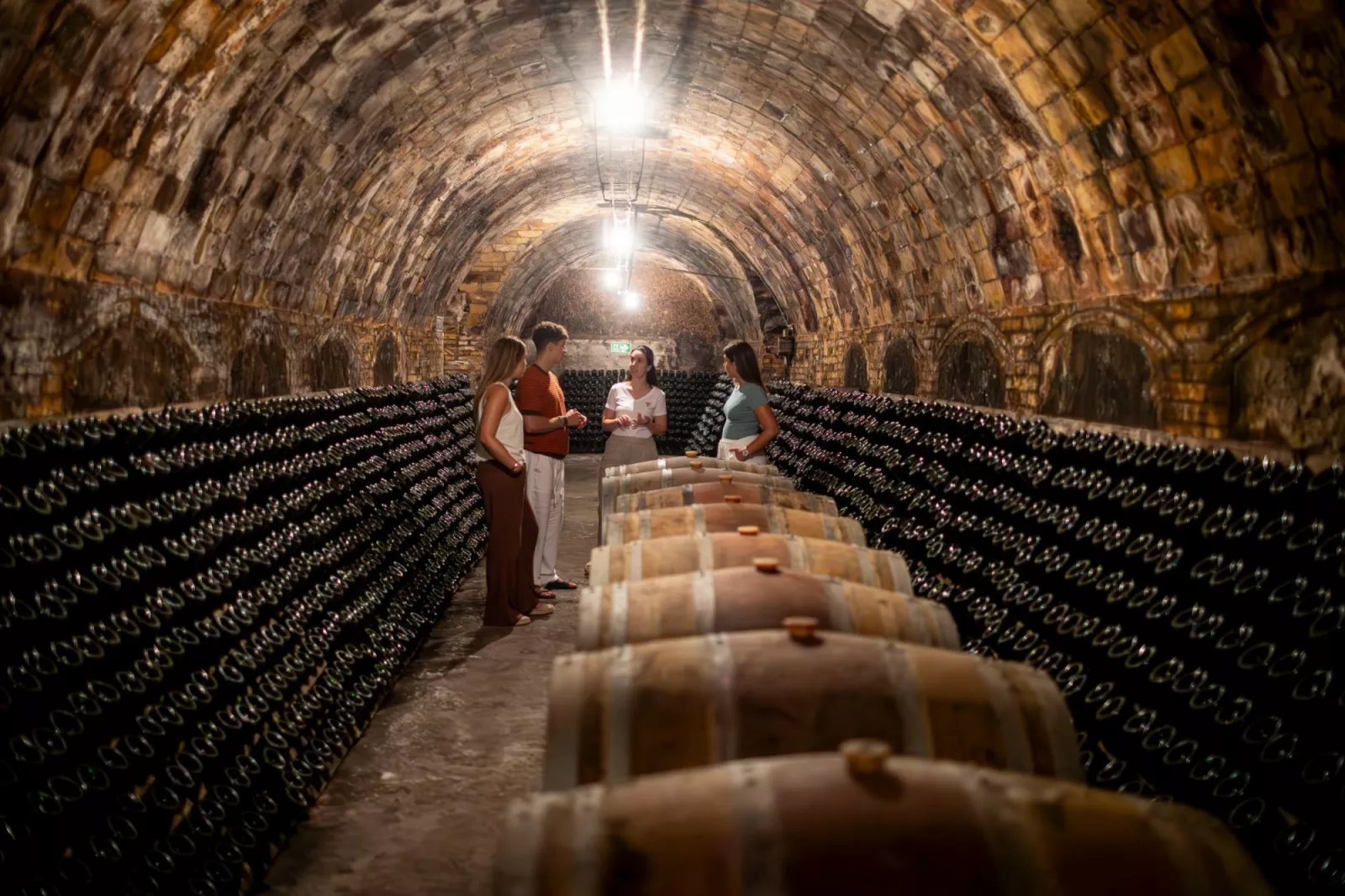
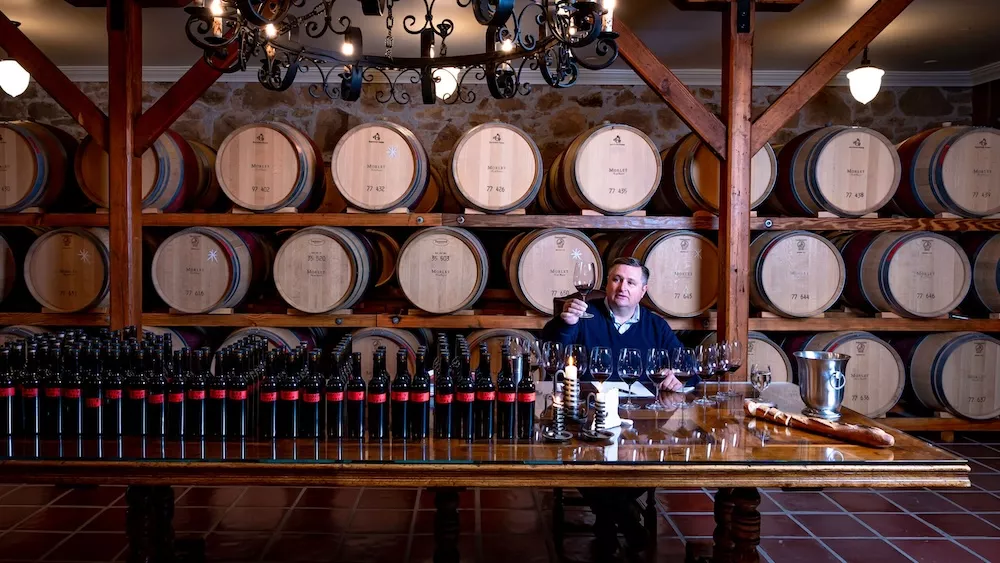
The company has historic underground cellars where temperatures and humidity levels naturally promote slow development of the wines
“We believe that tradition is neither cast in stone nor nostalgic – it is a living heritage that continues to shape the way we make our wine today”. Several of the company’s bodegas continue to embrace ancient winemaking techniques. In Alentejo, clay amphorae, inspired by the Roman tradition of vinho de talha, are used, promoting what Oliveira describes as “gentle micro-oxygenation that yields wines graced with remarkable texture, substantial freshness and a powerful sense of place”. At times, traditional lagares – shallow, open fermentation tanks – are used to extract finer, more delicate tannins.
A vine conservation collection of around 560 grape varieties
Heritage protection is also the driving force behind one of the company’s most ambitious undertakings: a vine conservation collection featuring approximately 560 grape varieties from Portugal and wine regions across the world. Its genetic value is immeasurable, yet the project serves far more than an academic purpose. As Oliveira explains: “In an era of climate change and evolving consumer preferences, safeguarding grape varieties is essential. Varieties react differently to changing growing conditions, including drought, heat and disease. By studying and protecting this diversity, we are better equipped to adapt viticulture to future challenges. The collection also helps deepen our understanding of native Portuguese grape varieties, many of which remain little-known internationally despite their remarkable quality potential. Portugal possesses one of the world’s richest pools of indigenous varieties and we believe this diversity gives the country one of its greatest competitive advantages”.
Preserving the past to build the future: a commitment to sustainability
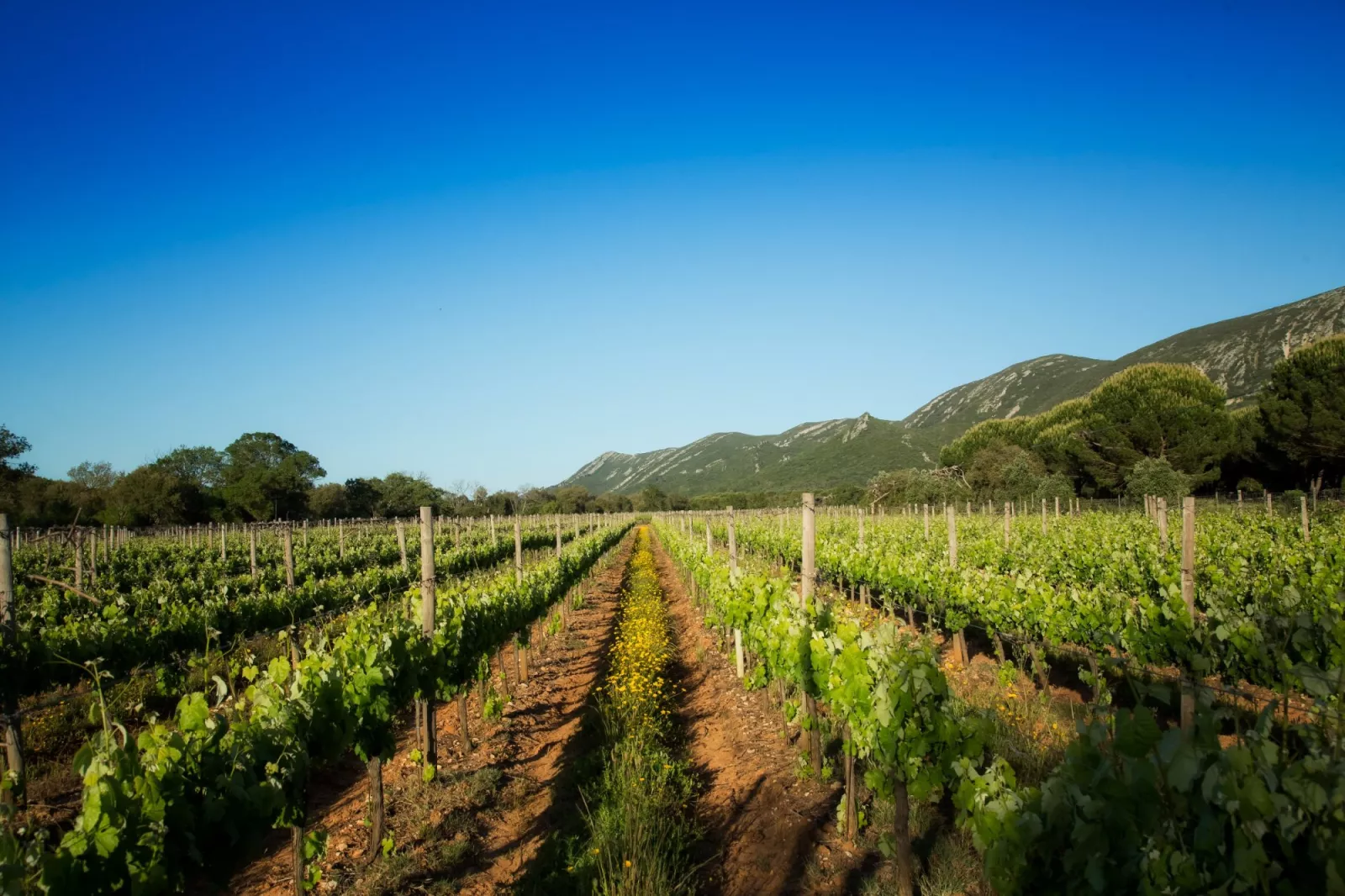
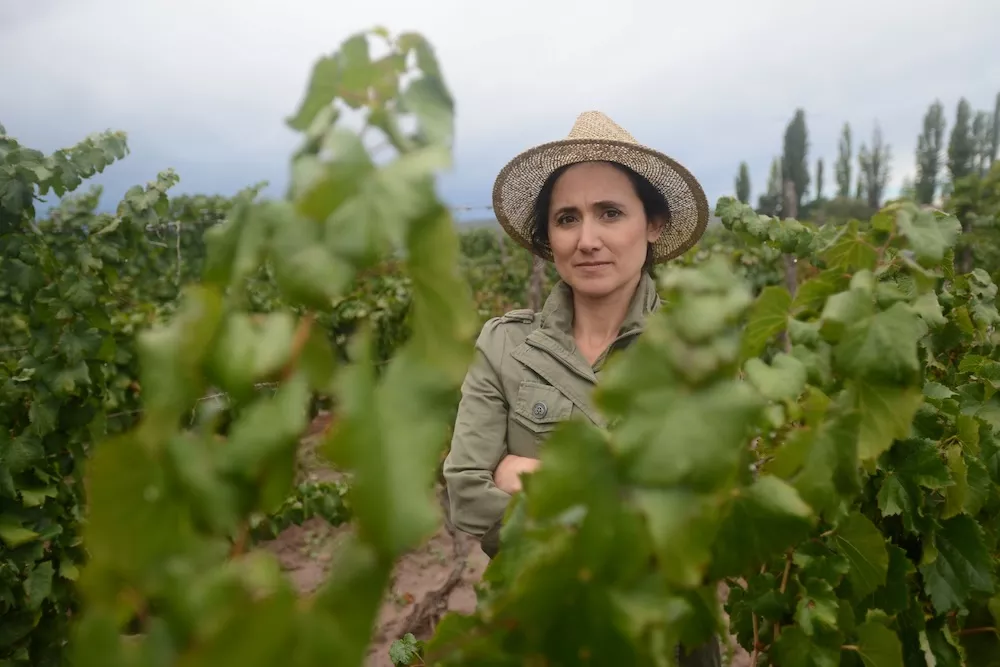
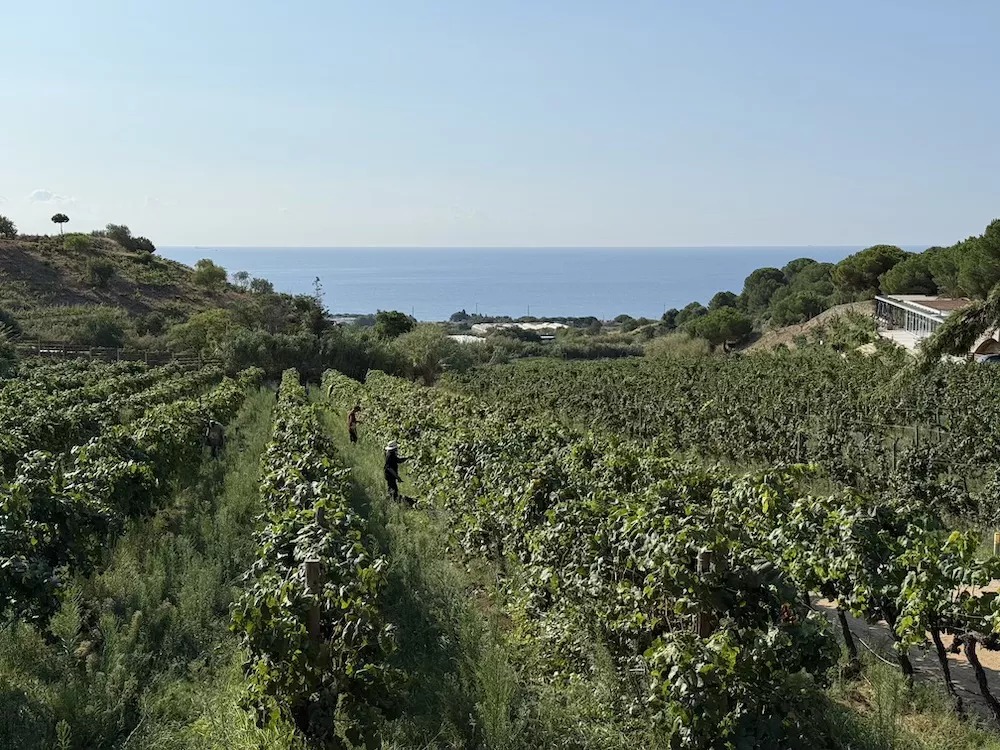
José Maria da Fonseca pays particular attention to biodiversity and soil preservation
Preserving the past to build the future also underpins the company’s approach to the environment. Its commitment to sustainability is no knee-jerk reaction to passing trends, but rather “a responsibility and a necessary investment in the future of wine”. José Maria da Fonseca was among the first in Portugal to introduce cover crops between vine rows, as early as 1993, to help retain humidity in the soils. Since then, the company has implemented a wide range of environmentally-friendly practices in both vineyards and winery, from careful water management to waste recycling programmes. More recently, it has taken steps to reduce the environmental footprint of its bottles by using lighter packaging and more sustainable sourcing options. Throughout its history, the company has valued heritage while investing in cutting-edge technology to meet its environmental targets and uphold its high quality standards. This ability to combine tradition and innovation have been instrumental in its export success.
A global outlook: José Maria da Fonseca’s export strategy
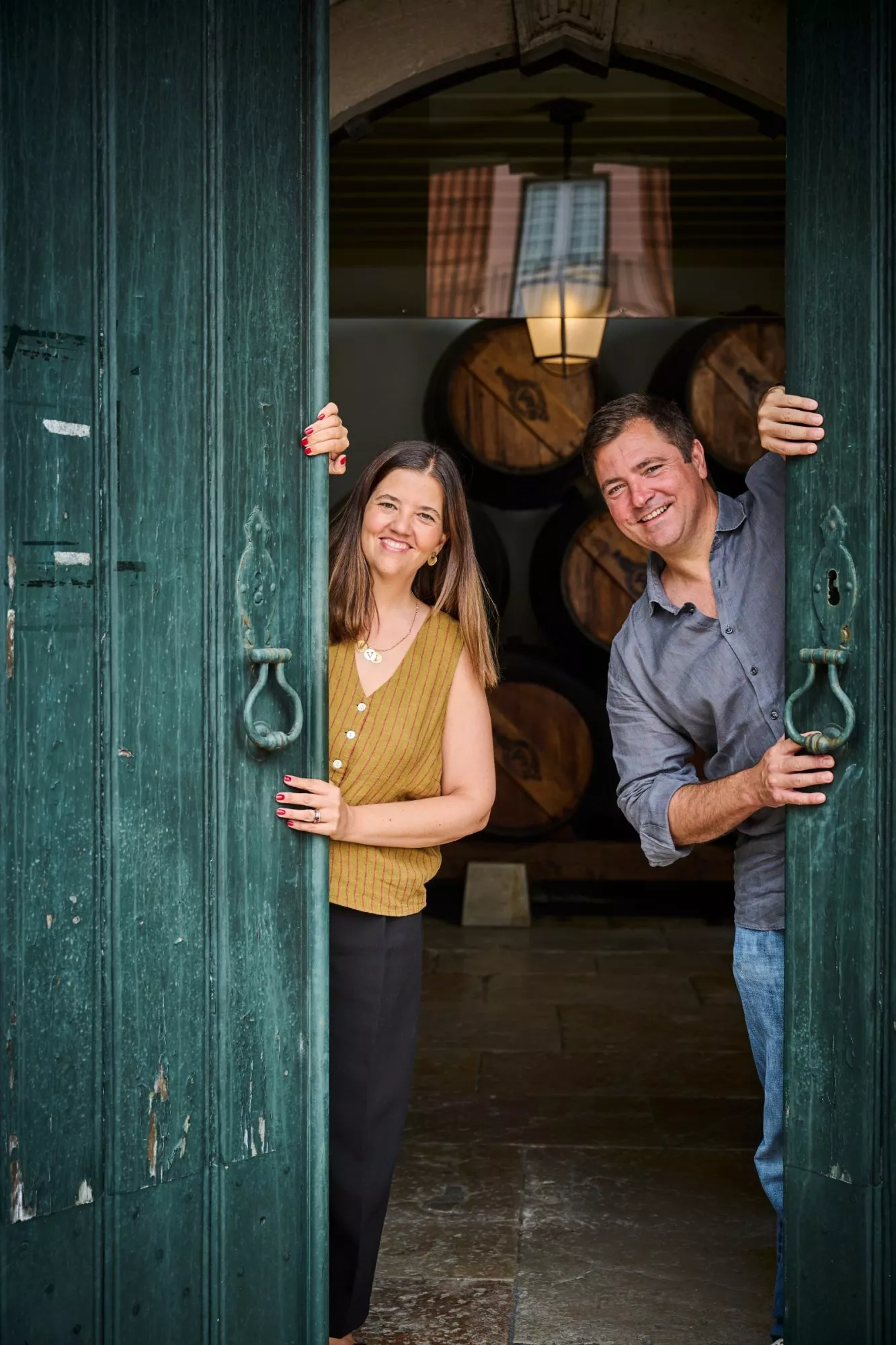
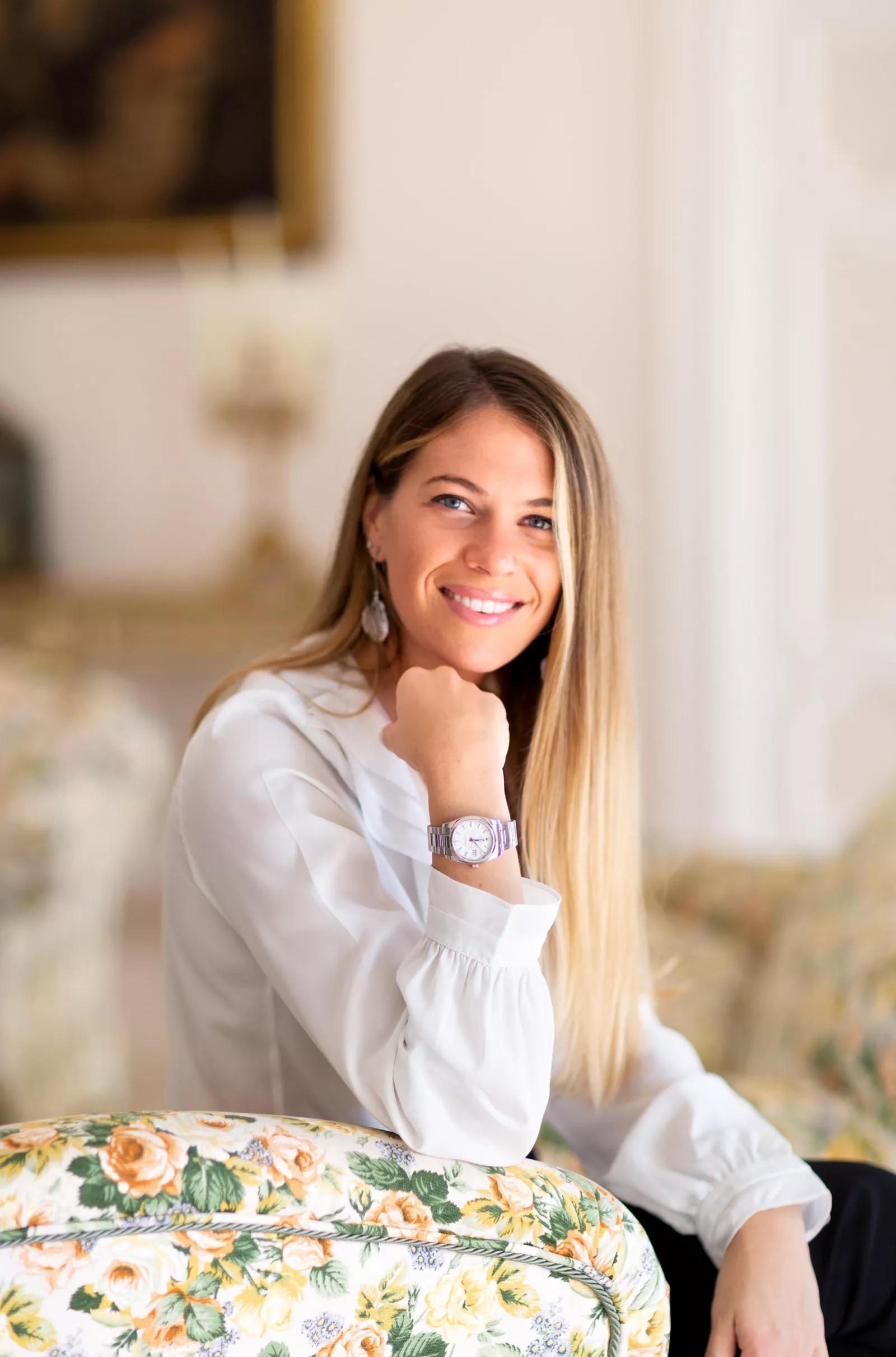
Sofia Soares Franco, head of wine tourism and communications, and António Maria Soares Franco
Wine exports today face a host of economic, logistical and marketing challenges, from rising production costs and exchange rate volatility to intensifying international competition, shifting consumption patterns and regulatory complexity in many global markets. Despite this, the family-owned company continues to export to an extensive range of countries across several continents.
“Instead of expanding production outside Portugal, our strategy aims to strengthen the global positioning of our wines through robust distribution networks, market adaptation and coherent brand building”, highlights Oliveira. “We work closely with importers and local distributors who understand the specific nature of each market and help build awareness of our wines’ identity and distinctive character”.
Promoting Portugal as a high-end wine producer
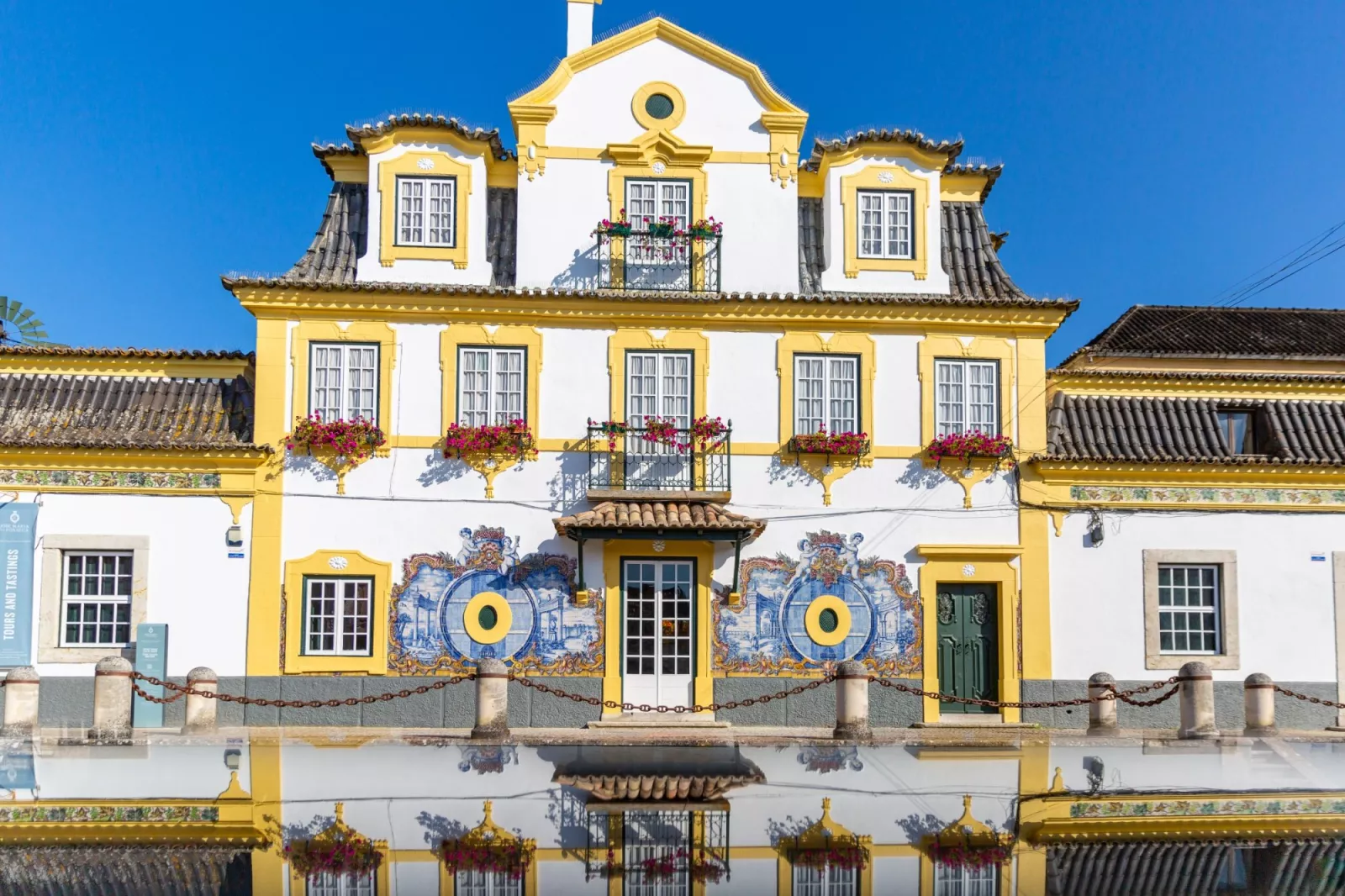
Seven generations of the family have been at the company's helm. Their residence has been converted into a museum
The company’s international development model hinges on the long-term promotion of Portugal as a high-end wine producer. Yet, as Oliveira acknowledges, although “remarkable progress has been accomplished over the past few decades, Portugal still faces challenges in terms of visibility and international perception. A great deal of education on Portuguese wine regions, grape varieties and wine styles is still needed”. Even so, the global stage continues to offer tremendous opportunities. “Consumers are increasingly seeking authenticity, originality and discovery, and Portugal can deliver on all three”. Together, these strengths position the country as a serious contender among the world’s leading wine regions.
José Maria da Fonseca · Marta Oliveira · +351 212 198 940 · www.jmf.pt
José Maria da Fonseca: FAQ
Who runs José Maria da Fonseca?
António Maria Soares Franco is the CEO. José Maria da Fonseca is a family-owned company, led by the same family for seven generations. Alongside him, Sofia Soares Franco heads wine tourism and communications, while Marta Oliveira, interviewed by Gilbert & Gaillard, serves as business manager of this 200-year-old Portuguese house.
Does José Maria da Fonseca make Moscatel de Setúbal?
Yes. The company is one of the oldest producers still crafting the prestigious Moscatel de Setúbal. According to business manager Marta Oliveira, its traditional methods of fortification and maturation are passed down from one generation to the next and remain the cornerstone of the identity of this 200-year-old family house.
What is vinho de talha?
It is a Roman tradition of making wine in clay amphorae. In Alentejo, José Maria da Fonseca uses amphorae inspired by it: according to Marta Oliveira, they provide gentle micro-oxygenation and yield wines with remarkable texture, substantial freshness and a powerful sense of place, a fine example of tradition kept alive.
How many grape varieties are in José Maria da Fonseca’s vine collection?
Around 560. This vine conservation collection gathers varieties from Portugal and wine regions across the world. For the company, it helps adapt viticulture to climate change, including drought, heat and disease, and deepens understanding of native Portuguese grapes, many still little-known internationally despite their remarkable quality potential.
Which José Maria da Fonseca wines should I try?
Among the company’s wines tasted by Gilbert & Gaillard are Periquita Reserva 2023, Casa Portuguesa 2025 and José Maria da Fonseca’s Twin Vines 2022. They offer an easy way into the world of a 200-year-old house that pioneered Portuguese wine exports.
Can you visit José Maria da Fonseca?
Yes. The company relies on wine tourism to engage directly with consumers. The residence of the family, at the helm for seven generations, has been converted into a museum, and the company owns historic underground cellars where natural temperature and humidity levels promote slow development of the wines.