By Isabelle Escande - Photographs: courtesy of the estates, posted on 06 July 2026
Bodega Art Laietà is nothing short of a miracle. Just 12 kilometres from Barcelona, nestled within a national park that shields it from urban sprawl, the uniquely styled winery rises unexpectedly from the surrounding woodland. Its eco-friendly wines are crafted in the most natural way and act as a magnet for visitors and consumers, from near and far.
A family vision rooted in organic farming
The story of Art Laietà began in 1991, when Josep Maria Pujol-Busquets and Cristina Guillén took over an estate with striking modernist architecture set in the heart of the Serralada de Marina national park, one of the smallest appellations within Catalonia's mosaic of Designations of Origin. Their vision was to plant vines they would farm organically – before it became common practice – and to craft environmentally-friendly still wines and cavas that would capture the essence of their unique terroir.
Over three decades later, the founding ethos remains unchanged. Today, the owners' daughter Mireia Pujol-Busquets helms the family estate with the same unwavering commitment to her parents' vision. "All our wines and cavas are organic and since 2006, we have made them with no added sulphites, pioneering the style with our Cava Bruant. We subsequently pushed the boundaries even further with our 'Celler de les Aus' project established in 2012. All the wines in the range are natural with minimum intervention. And all our cavas are brut nature – nothing artificial so they can fully express sense of place and nuance with each vintage."
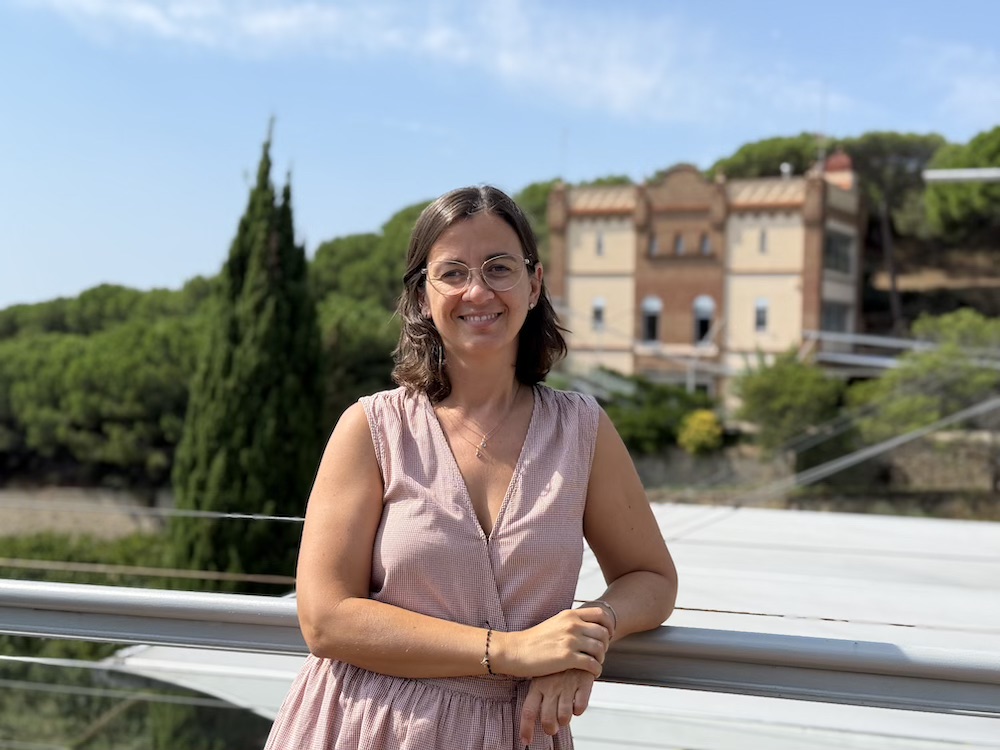
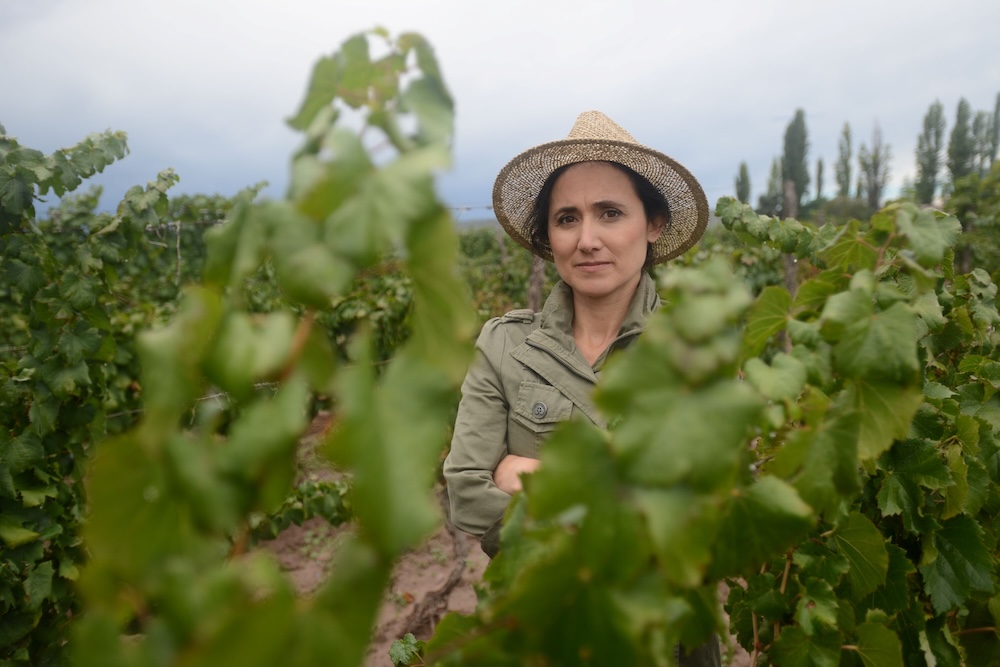
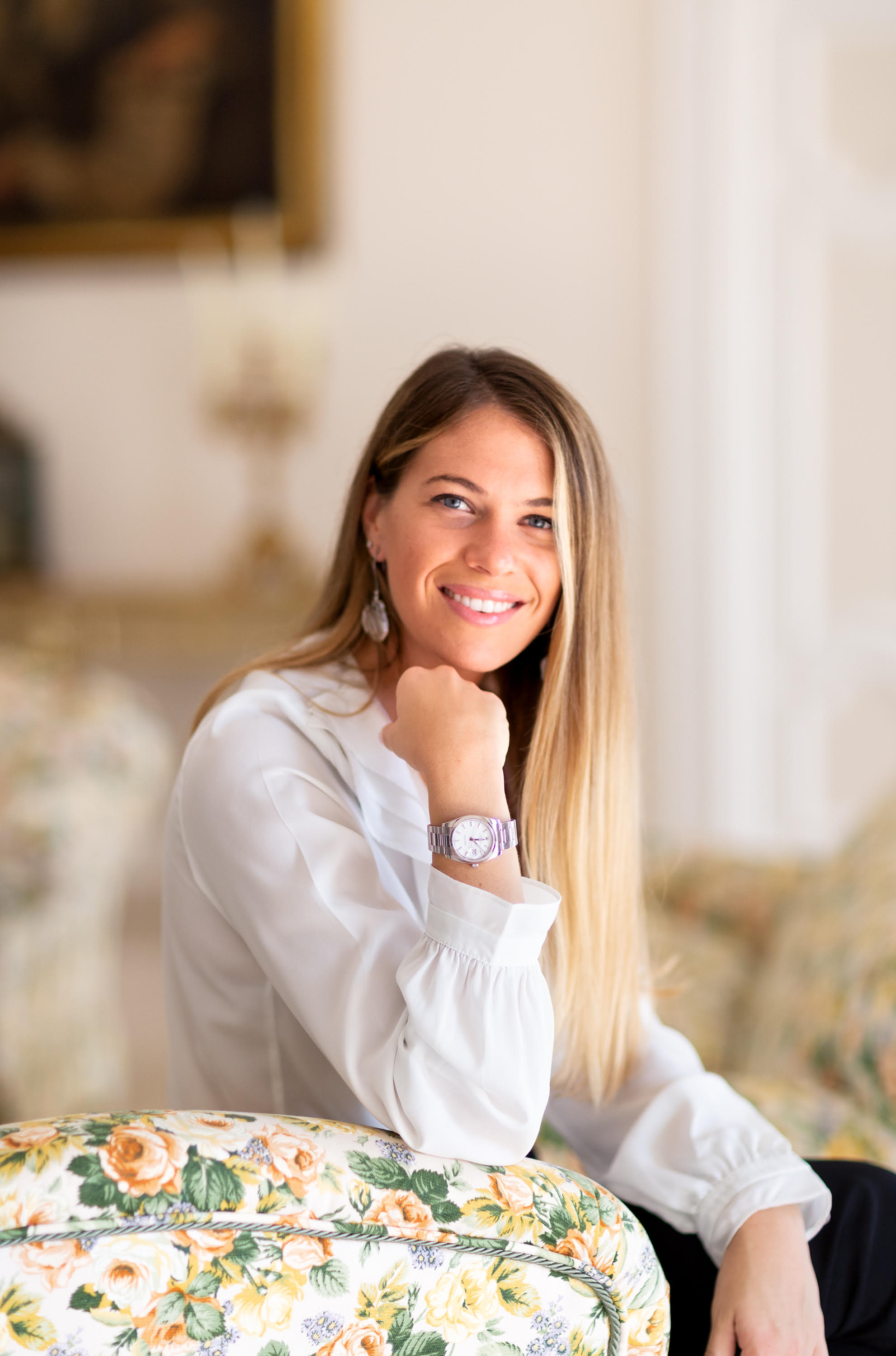
Mireia Pujol-Busquets, joint owner of Art Laietà.
Cavas built on genuine origin
This attention to genuine origin echoes a broader shift taking hold across the region's sparkling wine sector, as producers explore how new Cava regulations could help improve quality and origin.
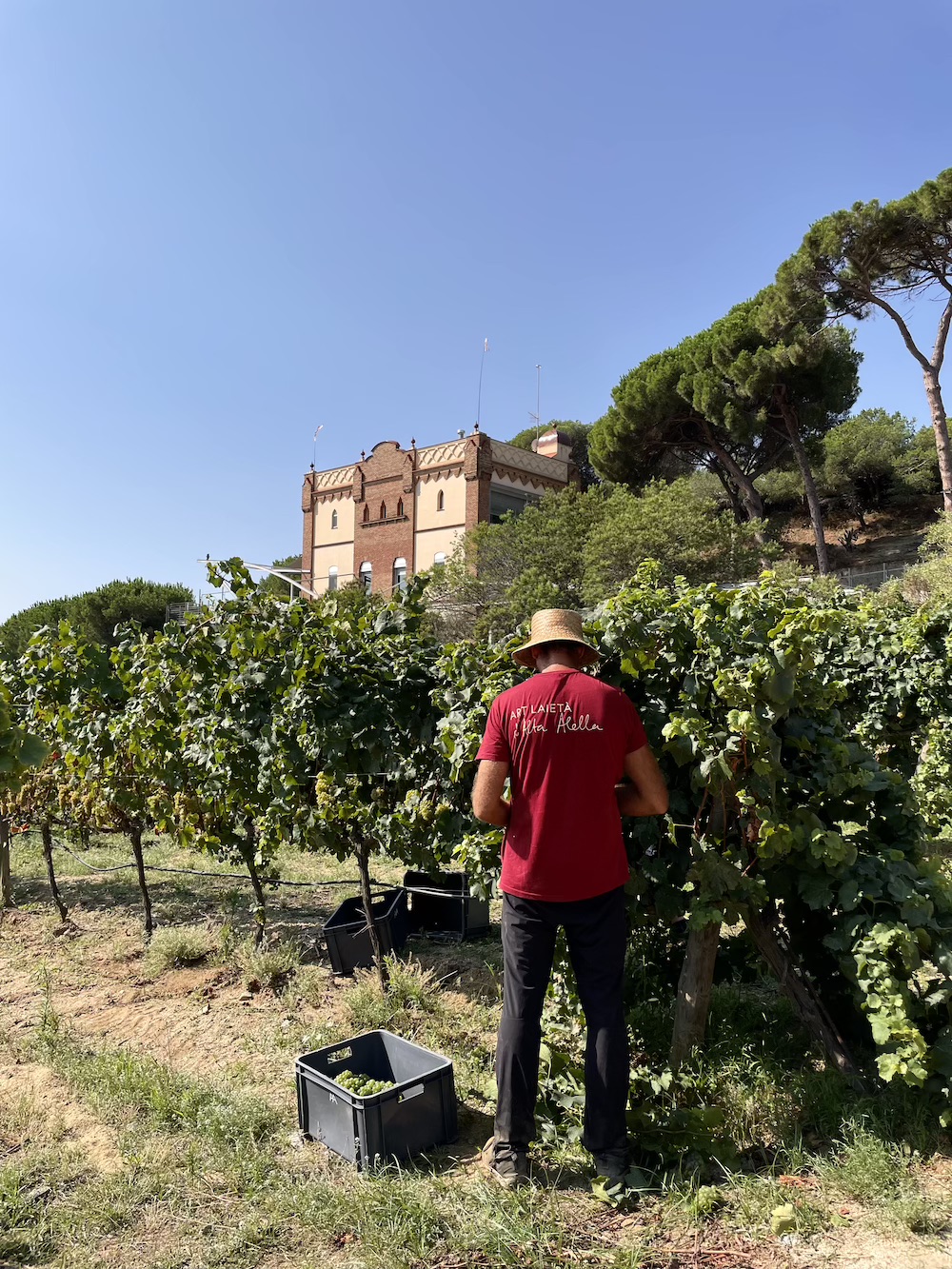
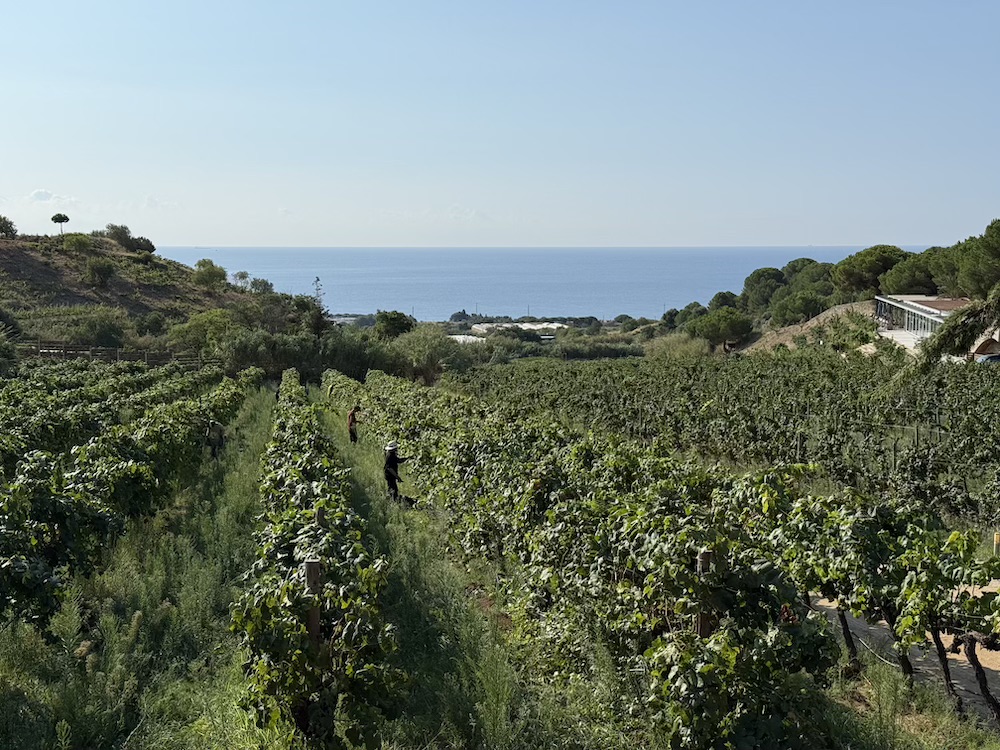
Here, the fruit is picked by hand.
Sauló soils and native grapes: the essence of Alella terroir
Every bottle captures the essence of the Mediterranean landscapes and the ever-present sea breeze, but above all the typical sandy, granite soils in Alella, known locally as sauló. This distinctive terrain lends the wines minerality and allows the native grape varieties to excel. Among them, Pansa Blanca – known in other appellation areas as Xarel·lo – thrives here, displaying notes of apples and fennel. Bottle ageing accentuates these characters, explains Mireia Pujol-Busquets, with the wines taking on nuances reminiscent of mature Riesling, while retaining a hallmark freshness and saline edge – the unmistakable signature of Alta Alella.
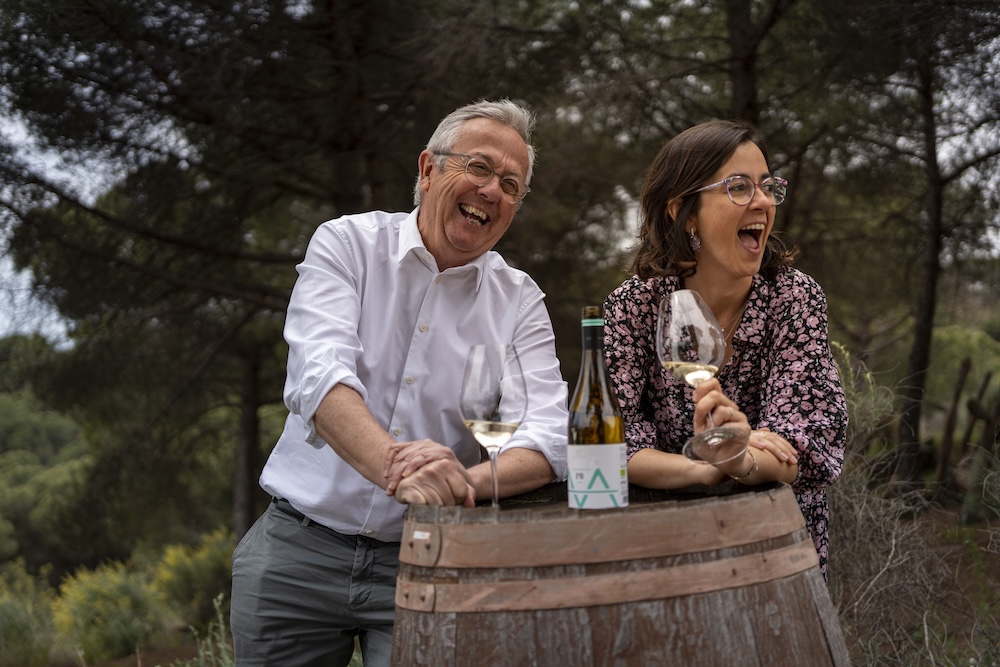
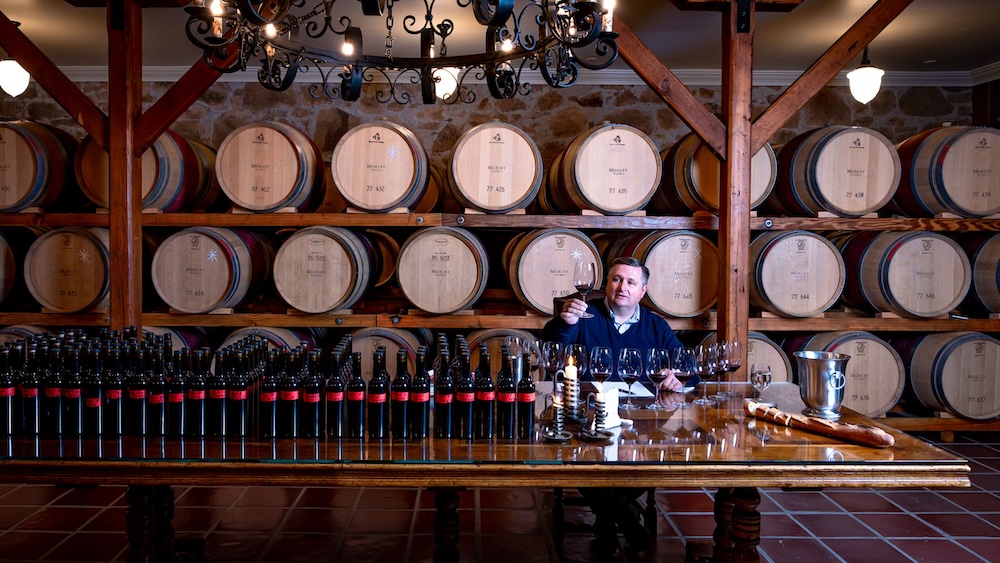
Josep Maria Pujol-Busquets, the estate’s founder with his daughter Mireia.
Research and innovation: safeguarding native vines for the future
The desire to showcase the local area also inspired the winery's commitment to research. Around twelve years ago, it began collaborating with research centres to drill down on climate-resistant native grape varieties. As Pujol-Busquets stresses, most crops are clonally propagated and have therefore not evolved – leaving them vulnerable to changes in temperature and drought, along with the resultant diseases. "This is why we launched this project, which is now well advanced. Our goal is to develop vines that are more resilient but do not lose the organoleptic characters of our traditional vines, thereby protecting the wine culture that defines our area". Pujol-Busquets feels that the research is not a choice but a responsibility – a way of safeguarding the future of viticulture for generations to come.
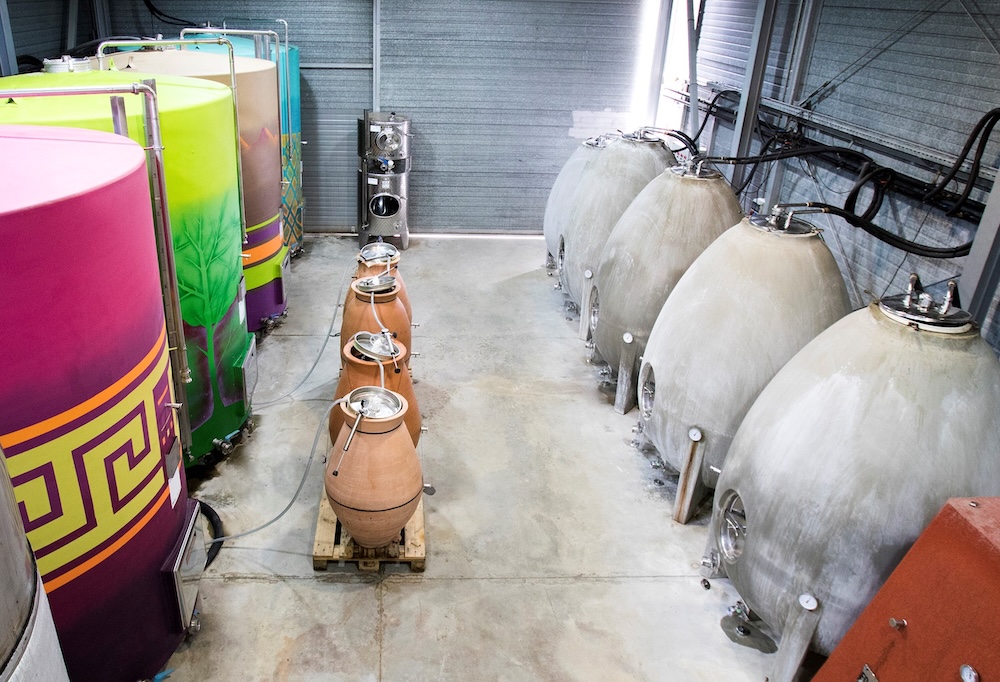
Art Laietà produces approximately 350,000 bottles a year, divided between still and sparkling wines.
Technology in service of sustainability
At Art Laietà, research and innovation go hand in hand with a deep respect for heritage – a balance that is of paramount importance to the winery. "We are farmers but also scientists", comments Pujol-Busquets in an interview. Technology is simply a means to an end: greater efficiency and sustainability. Sensors, weather stations and satellite imagery are used to further understanding of each vineyard block and to optimise the use of resources, particularly water. Sustainability and quality are closely intertwined. The results speak for themselves – the winery's vineyard footprint has risen from 1.5 to 60 hectares, soon to be 80 ha.
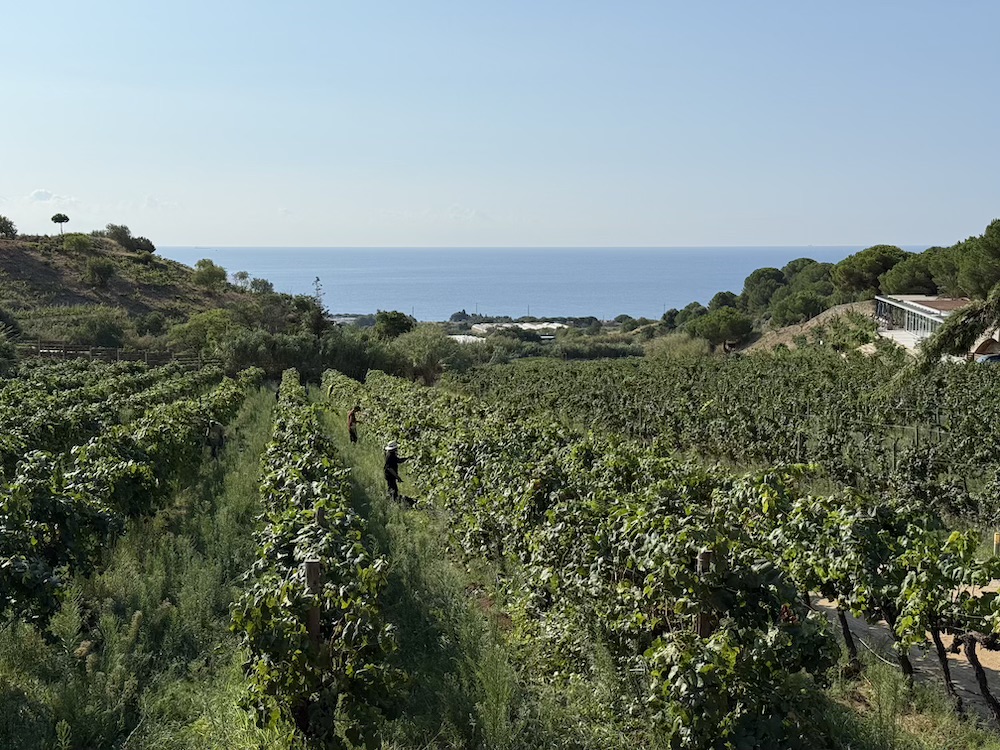
The DO Alella is one of Spain’s smallest.
Wine tourism as a way of engaging with customers
The same philosophy shapes the development of wine tourism activities at Art Laietà, transforming it into a regional benchmark, in step with the rise of wine tourism across Spain and Portugal. Here, tourism is not viewed as a sideline for generating income, but as "a way of engaging directly with customers" and demonstrating that wine is far more than a simple consumer product. "We offer customised experiences combining wine, gastronomy, art and nature. Through staged visits, yoga sessions among the vines, food and wine pairing dinners and family-friendly activities, we aim to create experiences that are both unique and authentic". Again, the venture is successful, with approximately 10,000 visitors welcomed annually by the winery. These can be both novices and experts and are half local, half international visitors – having Barcelona nearby is a help. A great source of pride for Pujol-Busquets is that the winery has developed a loyal customer base.
A growth story built on sustainability and authenticity
This approach has proved remarkably successful, allowing Art Laietà to buck the general industry trend. Its vineyard acreage and reputation continue to grow and its revenue has surged by 10% on last year. It seems that it has clearly championed the right cause, one where sustainability and innovation combine to drive success.