By Sylvain Patard – Photographs: courtesy of the estates, posted on 09 April 2026
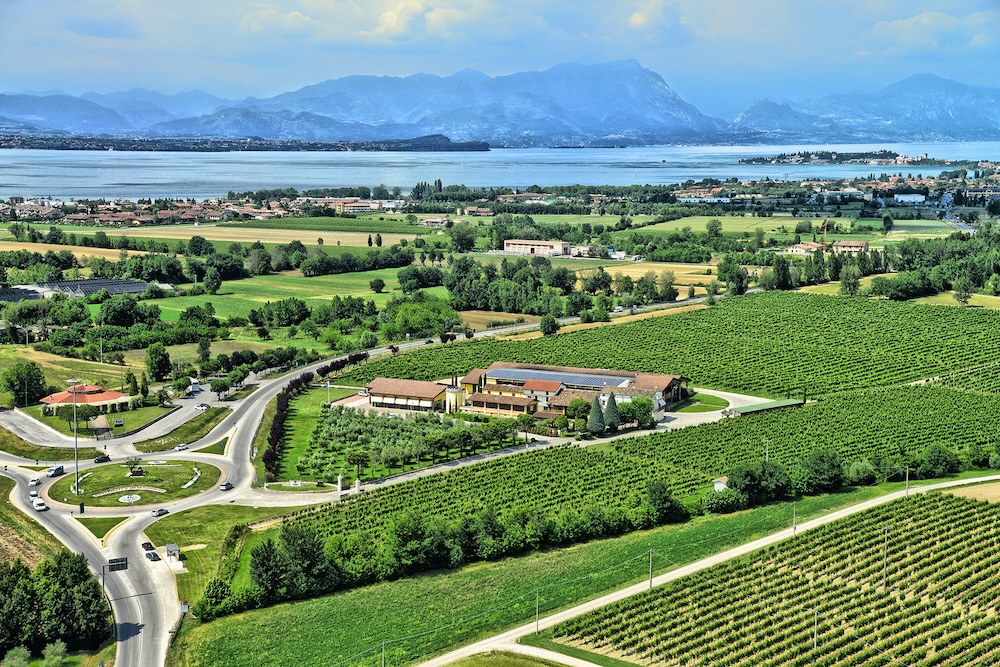
The appellation stretches across the southern reaches of Lake Garda and is the cradle of Turbiana, a native grape variety known locally as Trebbiano di Lugana. Distinct from Trebbiano Toscano and other common Trebbiano varieties, Turbiana is genetically unique and capable of producing more structured, mineral and age-worthy wines. We travelled to the region to witness this first-hand.
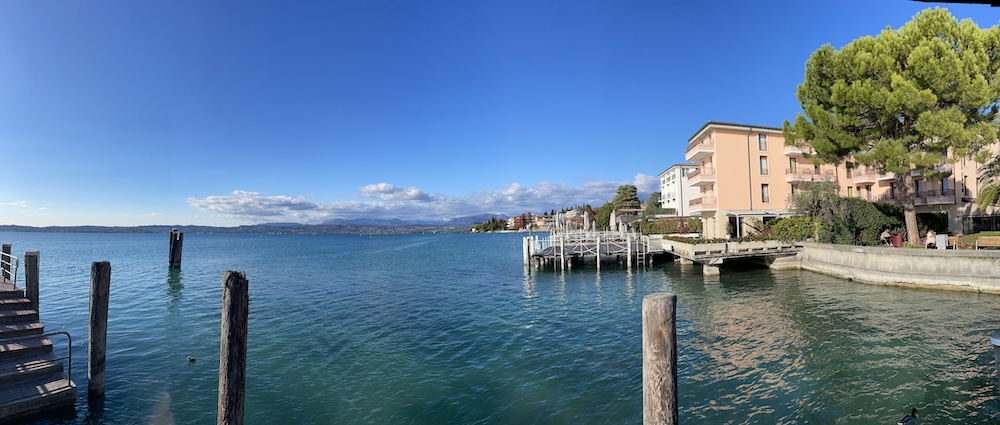
LAKE GARDA FORMS LUGANA DOC’S NATURAL NORTHERN BORDER
Lugana DOC: one of Italy's most historic and compelling white wine appellations
Rightly beginning where credit is due, our first stop is in Peschiera del Garda where we meet Fabio Zenato of Le Morette. Zenato, who also chairs the Consorzio Lugana, offers us an introduction to the appellation, its wines and its structure.
"Lugana is one of Italy's most historic appellations", says Zenato. "Located on the southern shores of Lake Garda – with the lake itself marking our natural border to the north – the appellation was officially recognised in 1967, making it one of the country's earliest DOCs. The Lugana DOC spans two regions – Lombardy and Veneto – and encompasses five villages: Peschiera del Garda, Sirmione, Desenzano del Garda, Pozzolengo and Lonato del Garda. The present-day appellation covers between 2,550 and 2,600 hectares and the Consorzio counts around 220 members. Lugana is mostly structured around family-run estates, often in their second or third generation. This continuity is what lends our region its strong identity and a shared sense of purpose – preserving the typicity of Turbiana and the singular character of our soils".
Le Morette: where it all began with a root
Every estate begins with a story, and Le Morette's quite literally starts with a root. In the 1960s, along the banks of Laghetto del Frassino, Gino Zenato surveyed the land, turning over the clay-rich clods of earth and listening as the wind swept down from Lake Garda. Long before he imagined making wine, he planted a few cuttings. He nurtured them and watched them grow, as one would a child. In that simple gesture lay the first seeds of Le Morette.
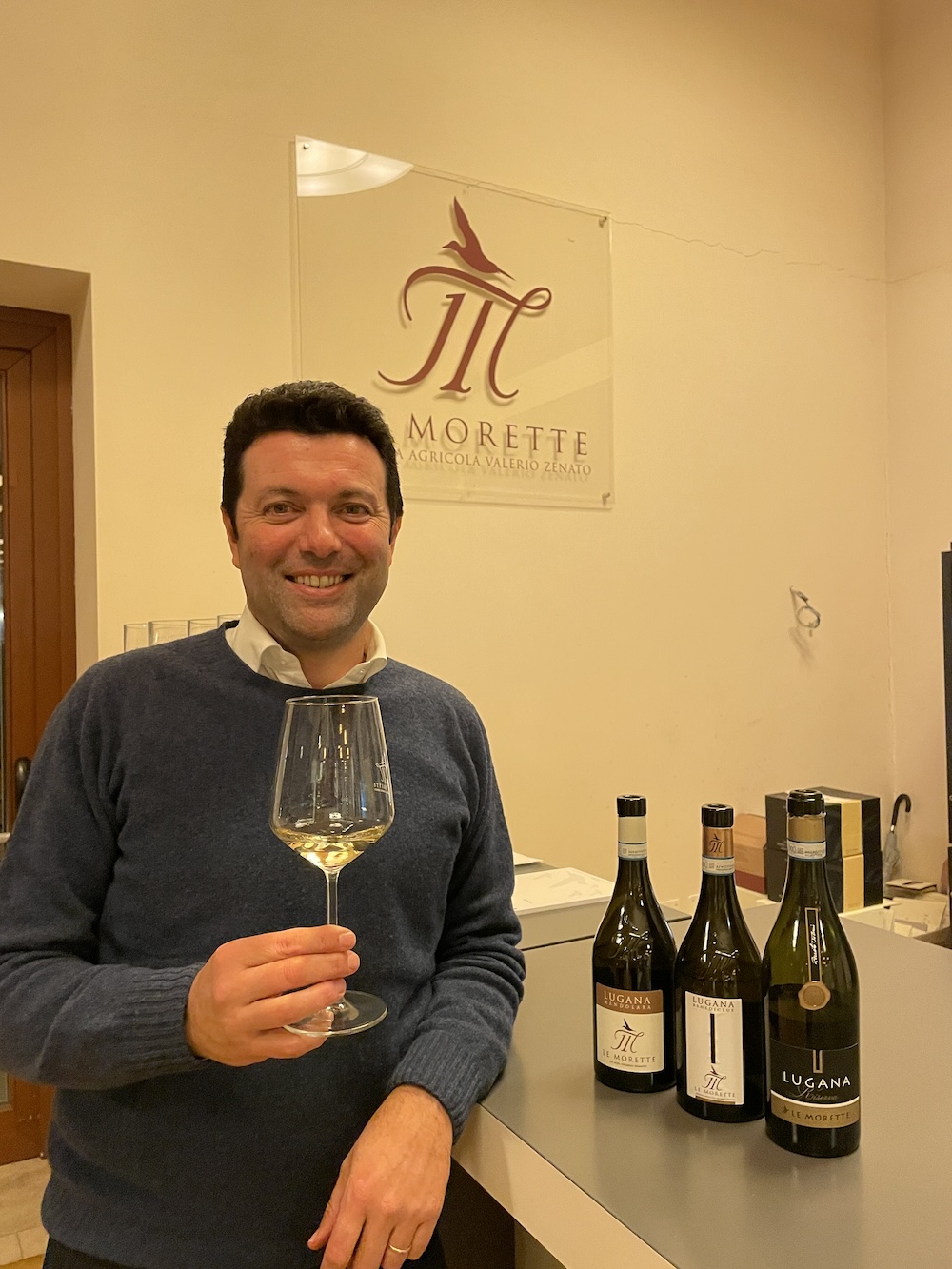
Fabio Zenato, chairman of the Consorzio Lugana and owner of Le Morette
By the 1980s, his son Valerio sensed that the region could push the boundaries further – that Turbiana had new paths to explore, and a minerality waiting to be expressed. The message from the vineyard was clear, and Valerio chose to become its voice. He crafted the first wines that would ultimately place Le Morette among the iconic names of Lugana.
Today, third-generation brothers Fabio and Paulo carry this same vibrant energy forward. Fabio represents the estate far beyond the shores of Lake Garda, from the United States to Asia, with the quiet determination and pride of someone deeply rooted in the value of his land. Paolo, meanwhile, speaks another language – that of the soil. Every morning, he listens to his vines so that he can further his research into Turbiana. His clonal selection work is, in essence, an act of devotion – an effort to preserve the grape's integrity for future generations. Set among the estate's vineyards, the new cantina – officially opened a decade ago – seems to have emerged naturally from its surroundings. Partially buried to allow gravity-flow operations, designed to breathe with the soil and built with the bricks fired in the ancient Lugana kilns, it perfectly embodies the Zenato ethos: innovate but never betray your roots. See Le Morette's results at the GGIC.
Ca' dei Frati: a heritage brand turned high-end Lugana cornerstone
It is rare to find a single estate that so fully encapsulates the history, evolution and international rise of an appellation. Ca' dei Frati is one of them. Founded in 1939 – but rooted in a vineyard first mentioned in 1782 – the Dal Cero family has, in just a few decades, transformed it from a modest farm into a Lugana benchmark and a strategic force in the Lombardy market.
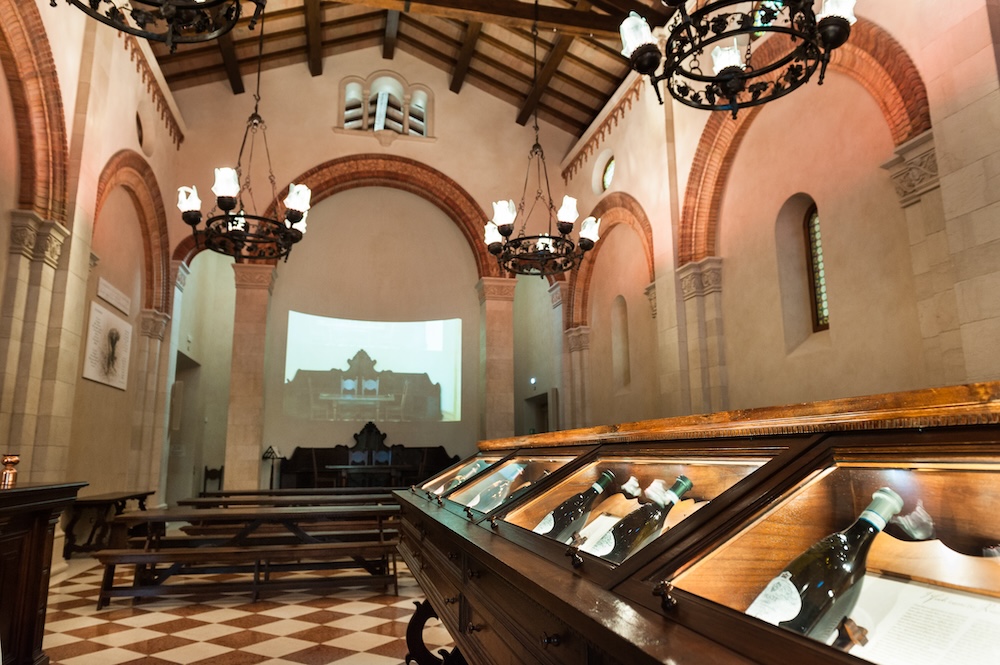
The incredible architecture at Ca dei Frati was inspired by religion
The journey begins in Lugana di Sirmione where Felice Dal Cero established the estate's first facilities. In the 1960s, his son Pietro recognised the quality potential of Turbiana on these clay-limestone soils bordering the lake. In 1967, he became one of the signatories of the inaugural production regulations for Lugana DOC. As an early-adopter, Ca' dei Frati not only emerged as a producer, but also one of the architects of the appellation's modern identity.
The transition from bulk wine to bottling in 1969 led to the creation of 'I Frati' Lugana, the estate's flagship label. To this day, the wine stands out among professionals for its fresh, saline character, its reliable consistency from vintage to vintage and its often-underestimated ability to age. The Brolettino Lugana DOC, a fuller and structured expression, also deserves recognition for its excellent performance on fine-dining tables. The estate's success hinges on a clearly identifiable style, coherent pricing and an ability to deliver both volume and consistency – key assets for distributors.
Today, the estate is run by the third generation of the Dal Cero family. Igino is the custodian of its strategic vision and quality; Gian Franco manages vineyard operations; and Anna Maria directs the estate's administration and customer relations. They are supported by a loyal team, including winemaker Carlo whose precision-driven approach encompasses hand harvesting, single-vineyard fermentations, meticulous blending and fine-tuning the style to market expectations. The estate's philosophy is centred on preserving aromatic integrity, ensuring longevity and instilling the wine with a distinctive mineral stamp – the powerful signature of Lugana. See Ca' dei Frati's results at the GGIC.
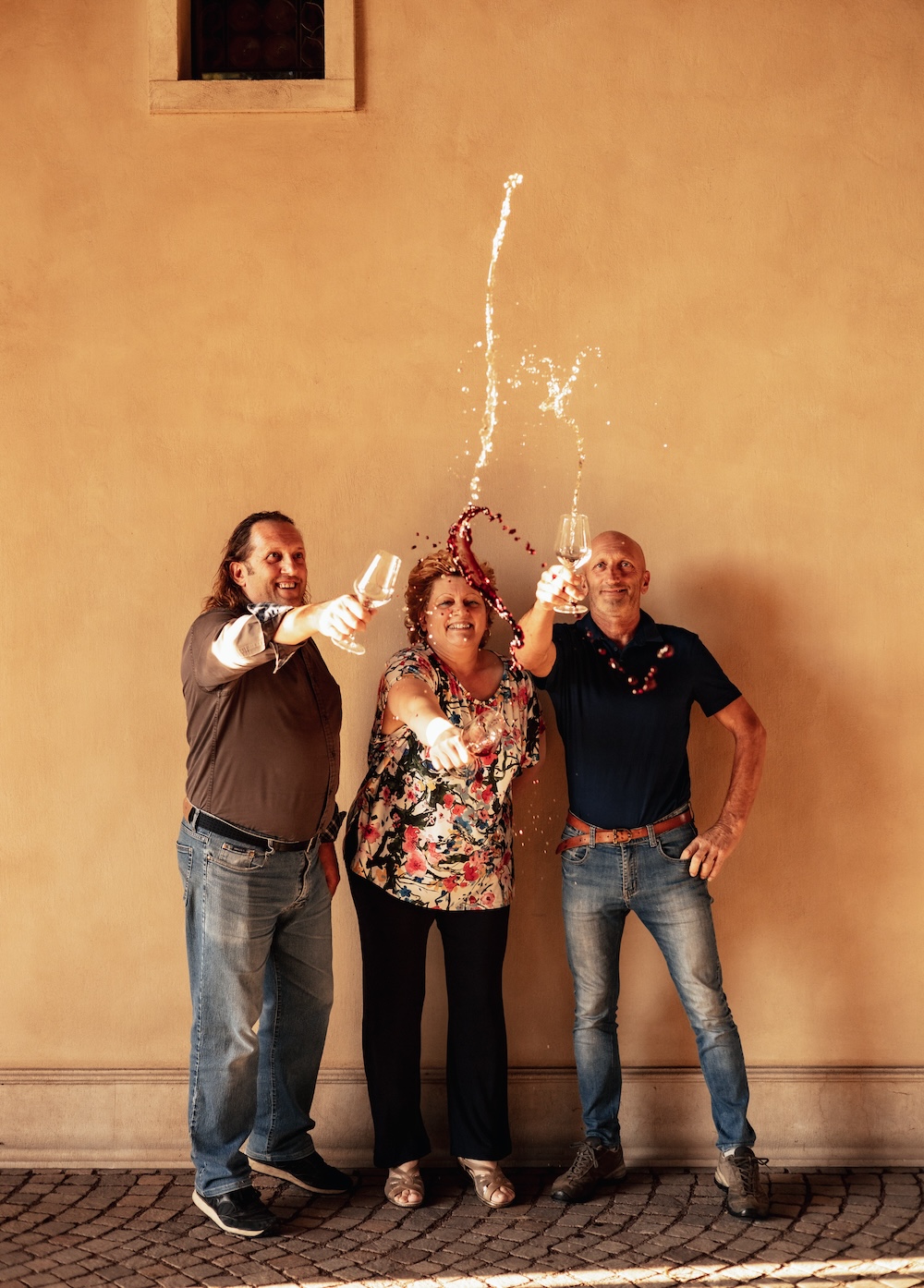
Igino, Gian Franco and Anna Maria, now run the company with the same passion and determination
Perla del Garda: restoring vineyards and showcasing glacial moraine soils
Some estates are born from a deep-rooted conviction – that the land remembers its past achievements. Perla del Garda belongs to this rare category. Founded by the Prandini family, whose farming history stretches from the Verona region to the hills of Lonato del Garda, the estate is built on a simple yet ambitious principle: to return vines to the place where they once thrived. The project was guided by ancient land registry maps and historic engravings which attest to the winegrowing vocation of these sparsely irrigated soils strewn with stones and shaped by glacial moraines.
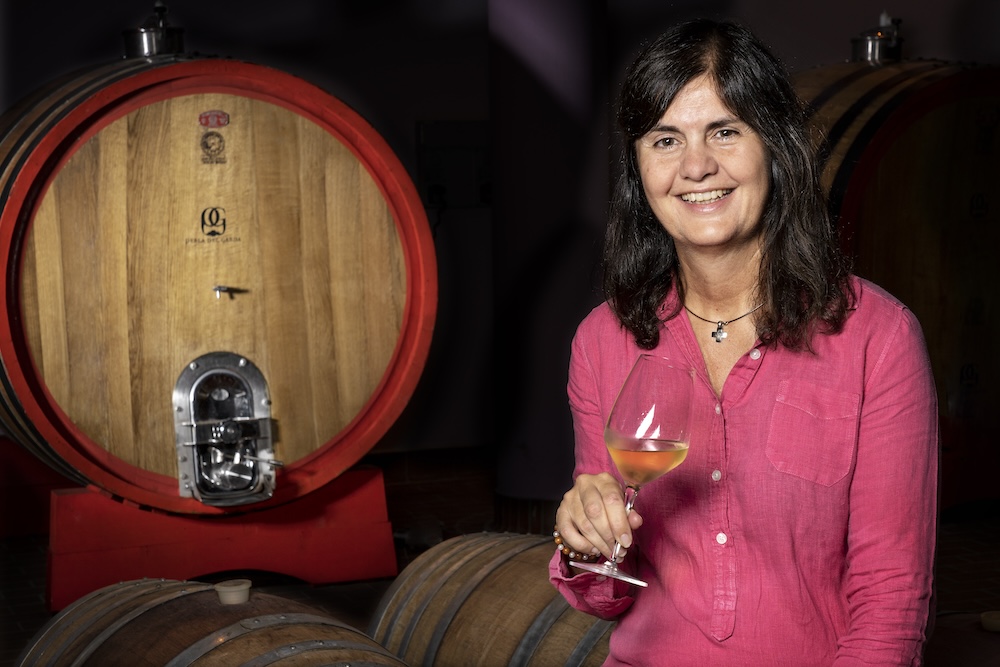
Giovanna Prandini skilfully runs this iconic company
The family's project is rooted in bold choices, all of which have proven sound: wine begins in the vineyard; no vintage can be approached with a one-size-fits-all or formulaic strategy; harvesting is entirely conducted by hand from August through November; and the winery has been designed across three levels to enable gravity flow thereby protecting the integrity of the fruit. The architecture is not an aesthetic flourish but a near-sensual response to the natural movement of wine. Everything flows downwards, as though the building were designed to guide the grapes rather than coerce them.
In Lonato – between Desenzano and Sirmione – the 43 hectares of vines dedicated to Lugana and Garda DOP unfurl across the moraine hillsides to the south of Lake Garda. This singular stony terroir offering good drainage yet low water reserves has the remarkable ability to draw out expression and minerality. As the ultimate testament to the estate's natural abundance, it is one of the rare – perhaps the only estate – to offer an interpretation of the five styles permitted within the appellation: Lugana DOC, Lugana Superiore, Lugana Riserva, Lugana Vendemmia Tardiva and Lugana Spumante. And that's an achievement for which it fully deserves recognition. See Perla del Garda's results at the GGIC.
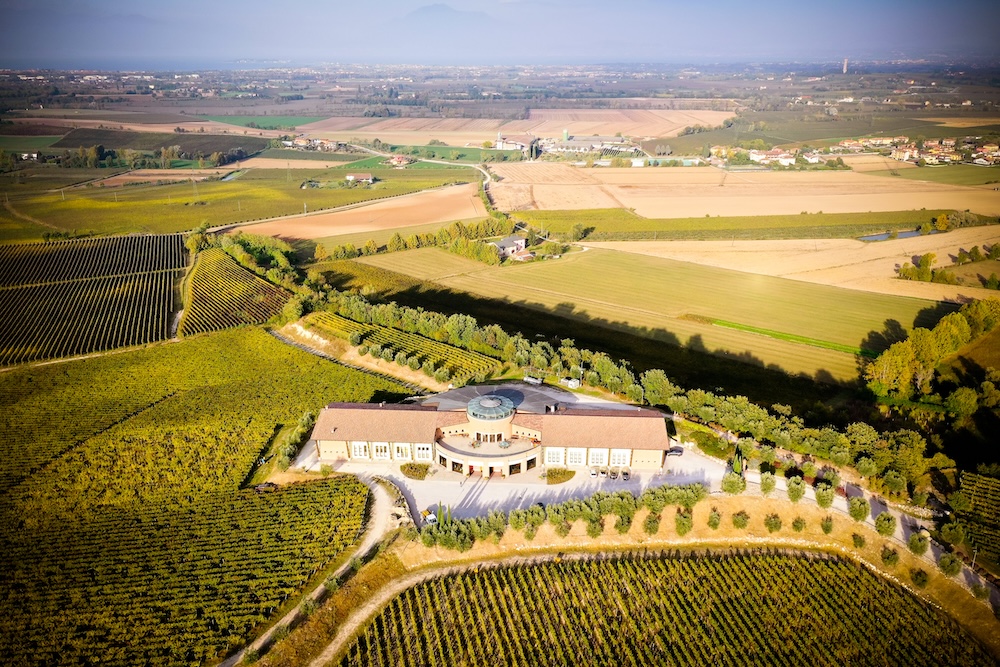
This state-of-the art winery is designed so that the grapes then the juice can be nurtured so that they produce fine wines
Tenuta Roveglia: stature, heritage and sustainability in the heart of Lugana
A little farther south lies an estate which quietly shapes the landscape. Boasting more than a century of history and nearly 100 hectares of bearing vineyards, Tenuta Roveglia ranks among the appellation's largest properties. It is firmly anchored in Pozzolengo, between Lake Garda and the rolling moraine hills.
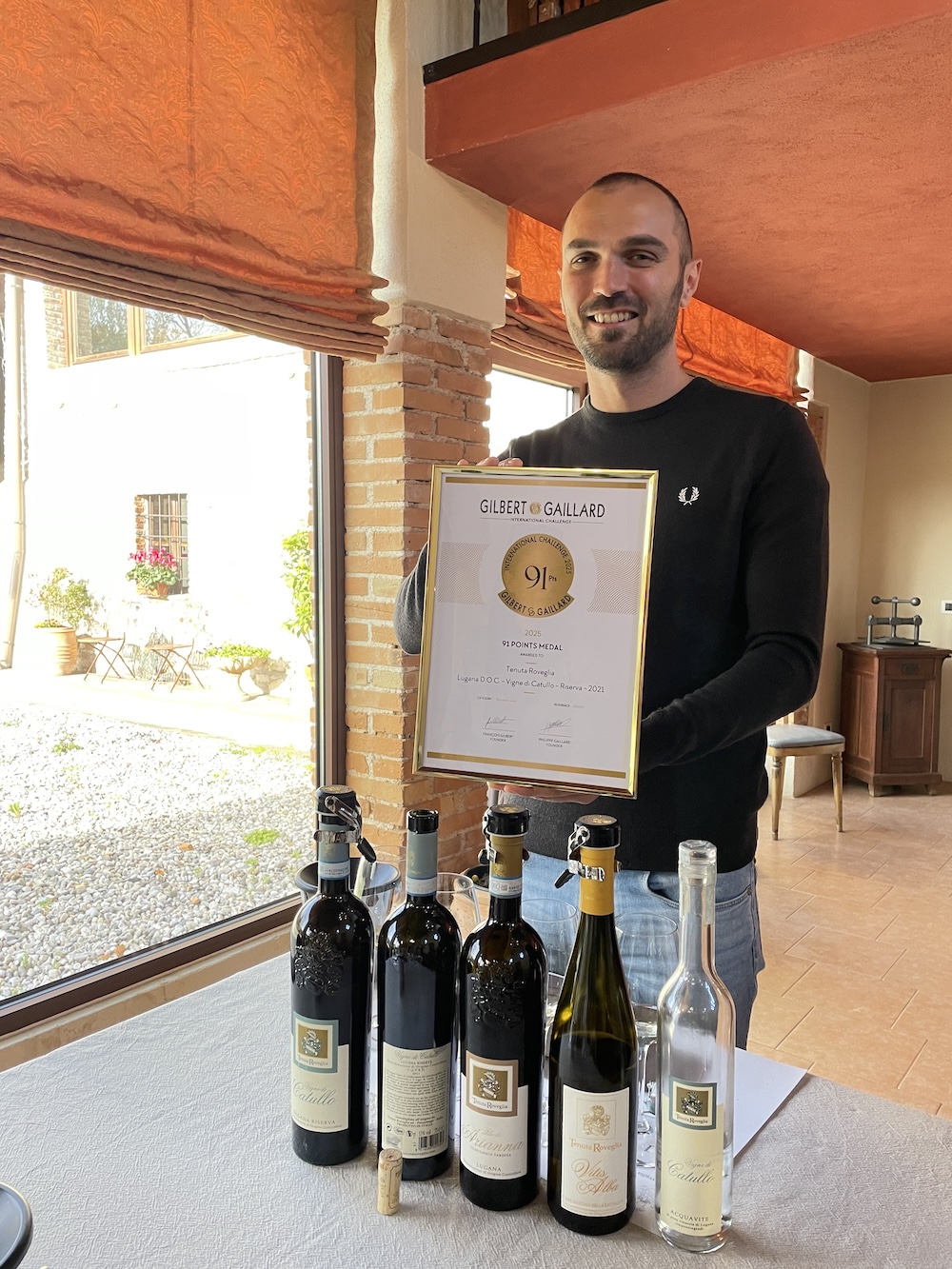
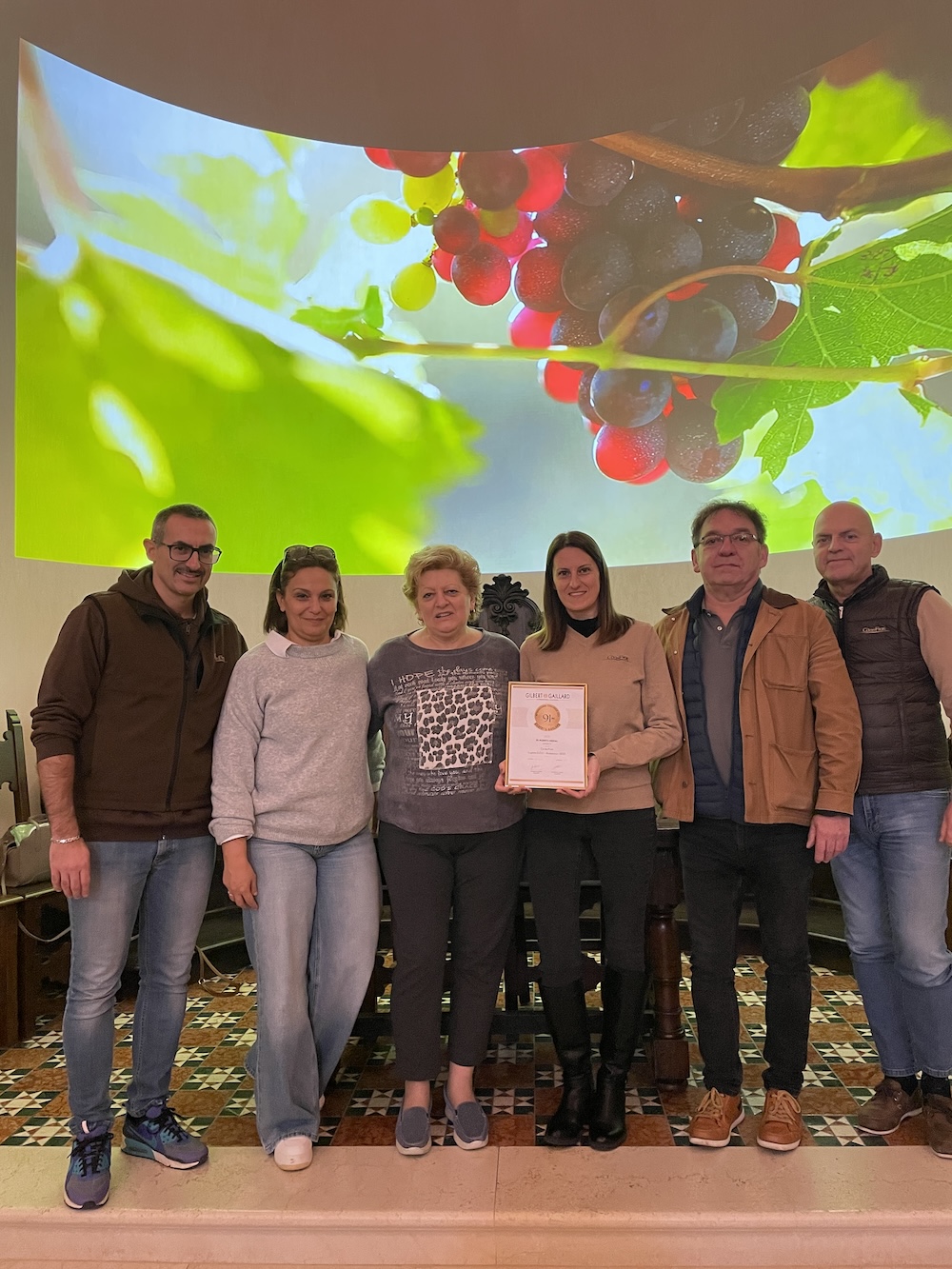
Hospitality manager Leonardo poses proudly with the wines and the diploma awarded by the Gilbert & Gaillard International Challenge.
The name 'Roveglia' first appeared in 1404 when the Roveglio family acquired land and farmsteads from San Salvatore de Brescia monastery. The estate's more recent winegrowing chapter began centuries later – at the end of the 19th century – when Swiss entrepreneur Federico Zweifel fell in love with Lake Garda and began purchasing land for vineyards. His son Giusto carried this legacy forward, initially crafting wines for a small circle of local customers. The real transformation came in the 1980s when scientist and academic Giovanni Felice Azzone introduced research-driven methods and technical innovation to the estate. Under his guidance, viticulture and winemaking entered a new era – more modern, more precise and firmly focused on quality.
Today, Tenuta Roveglia is led by the family's fourth generation – Sara, Vanessa and Babettli Azzone. Annual production is in the range of 800,000 bottles, allowing the estate to secure a robust presence in international markets while ensuring rigorous quality control. A common thread is woven through all of its wines: freshness, distinctive minerality and a confident structure – traits derived from the clay-limestone glacial soils and the mild microclimate tempered by the lake. Tenuta Roveglia doesn't pay lip service to sustainability – it is embedded in the estate's practices across the three main pillars that are economic, environmental and social sustainability. It has been awarded Equalitas – Sustainable Organisation certification, including carbon footprint and water management metrics.
In the vineyard, this commitment takes shape through permanent grass cover; a tight rein and reduction in the use of plant protection products; and conservation of nature zones to promote biodiversity. In the winery and on the bottling line, reducing water and energy usage is prioritised, processes are optimised and recyclable, FSC-certified packaging is used. Due to its long-standing history, its extensive vineyard holdings, its technical proficiency and certified sustainability, Tenuta Roveglia holds a strategic position in Lugana and Garda DOC. The estate has successfully reconciled volume with identity by delivering coherent, expressive wines with the ability to represent the appellation, even in the most demanding markets. Tenuta Roveglia encompasses ancient land, a visionary family and a promise upheld: to craft Lugana wines that can stand the test of time. See Tenuta Roveglia's results at the GGIC.
Famiglia Olivini: intuition, precision and sustainable farming
Some estates are content simply to produce wine, while others seek to interpret a legacy. Famiglia Olivini unmistakably belongs to the latter. What began in the 1970s as a Brescia entrepreneur's passion for the countryside has gradually evolved from a farming 'hobby' to a rigorous, fully structured project now led by the younger generation – Giorgio, Giordana and Giovanni.
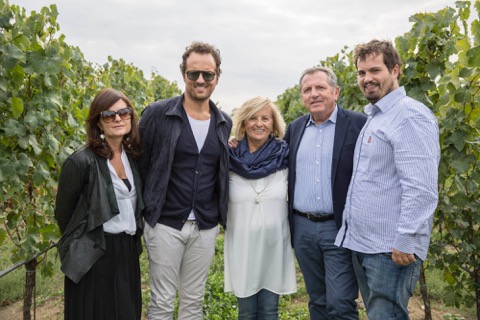
At Famiglia Olivini, purity is not born in the tanks but in the vineyards cantinaEsterno : The modern, functional facilities at Famiglia Olivini.
The philosophy here is straightforward: intervene as little as possible, understand as deeply as possible. At its core lies a commitment to sustainable farming, a principle instilled by founder Giuseppe Olivini, and formalised as a patented brand in 2018 to coincide with the official opening of the new winery in Demesse Vecchie. The principle entails reducing and precisely targeting plant protection treatments; preserving soil and vine health; avoiding needless chemical inputs; and using technology to recreate ideal conditions for storing and stabilising the wines. For the Olivini family, purity does not start in the tank but in the vineyard. Over the years, the family has transformed its vineyards into a genuine genetic heritage to be protected and refined. Rooted in Lugana's oldest sites, the finest vines have been selected for their aromatic expression and balanced acidity and freshness. The most exceptional gems within this plant material have been grafted to establish new plantings, ensuring this precious varietal stock is safeguarded and optimised in the future.
One of the family's boldest decisions was to craft a Metodo Classico from Turbiana – a choice that ran counter to conventional wisdom at the time. Yet year after year, both the market and critics have endorsed this instinct, ranking their Lugana Brut among Italy's leading examples of the style. The estate also produces stunning Lugana DOC sparkling wines. Olivini's approach is intentionally uncompromising: to vinify historic varieties in the purest expression possible while reinterpreting them in a distinctly modern lens. See Famiglia Olivini's results at the GGIC.
Pasini San Giovanni: a family, land and conviction
In San Benedetto di Lugana, along the southern shores of Lake Garda, the Pasini San Giovanni family cultivates vines deeply rooted in clay shaped by ancient glaciers – soils that allow Turbiana to express its most authentic character. What began modestly in 1958 is now, three generations later, led with the same resolve by Laura, Sara, Luca and Paolo.
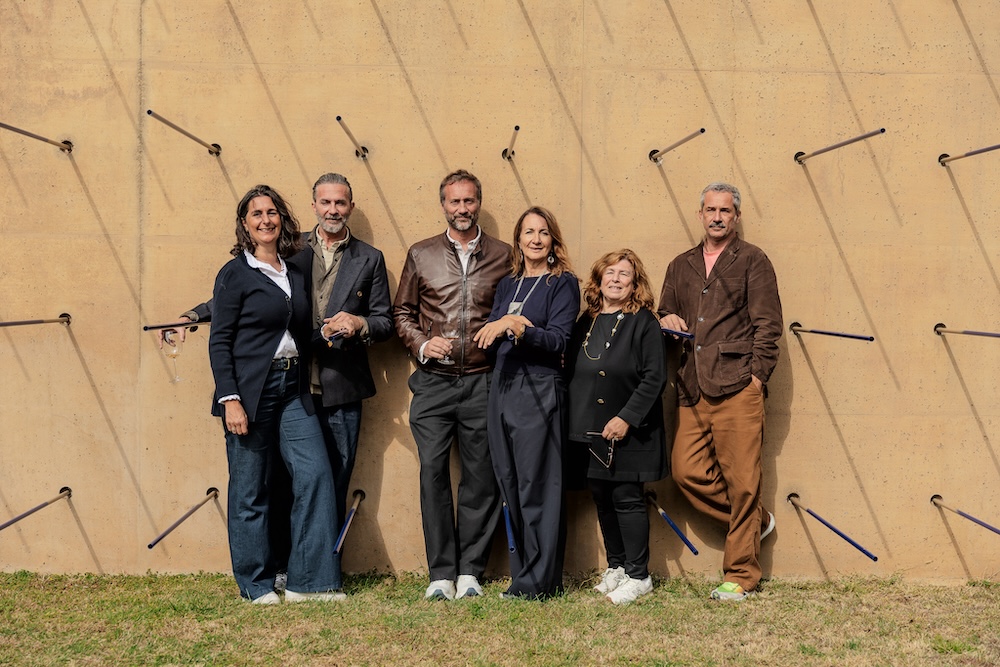
For the Pasini family, land takes precedence over everything else, and wine should be its faithful extension
The vines have been farmed organically since 2014. Even earlier, in 2009, the estate calculated its carbon footprint – long before such practices became market requirements. Biodiversity is treated as an essential tool: olive groves, flowers, natural hedgerows, native species and beehives shape a living landscape that is both balanced and protective. For the Pasini family, land takes precedence over everything else, and wine should be its faithful extension. This is why the family dedicates exclusive parcels to the land in San Benedetto and Desenzano. To them, Lugana is not a passing fashion – it is a wine that unites instant harmony with serene evolution, two qualities rarely found together in a white wine.
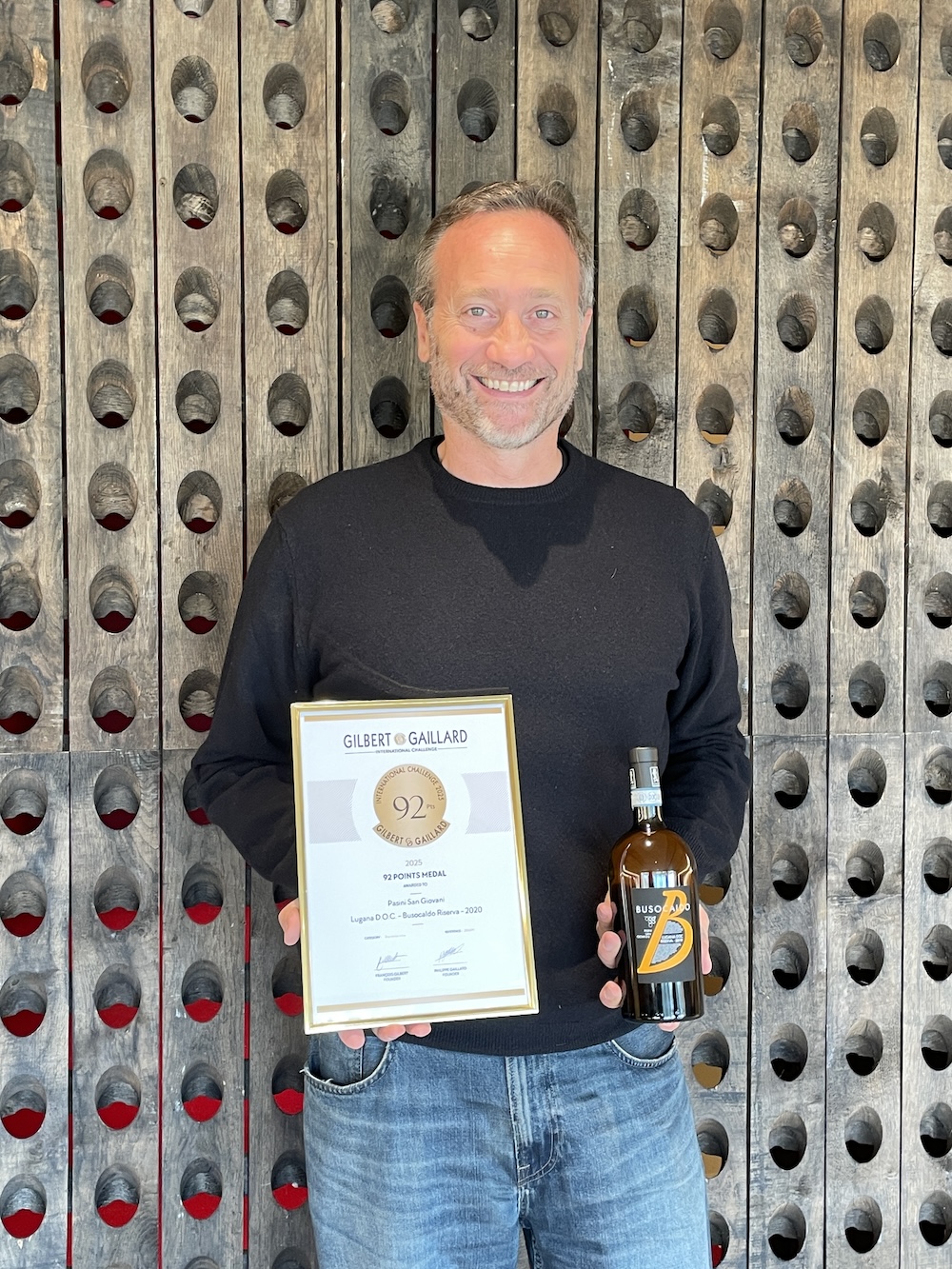
Paolo Pasini with its Busocaldo Riserva 2020, awarded 92 points out of 100 in the Gilbert & Gaillard International Challenge tastings
Paolo Pasini knows the grape both as a winegrower and as a member of the Consorzio. He explains: "Lugana has a natural ability to remain vibrant, structured and balanced down through the years". This belief has shaped some of the estate's most iconic wines, crafted through meticulous craftsmanship. For Pasini San Giovanni, this is proof that Lugana should not merely please, it must withstand the test of time and remain an honest, structured wine that stays true to its origins. See Pasini San Giovanni's results at the GGIC.
Monteci: a family story dating back a century
At some estates, the family story is not merely told – it is embedded in every decision. Monteci – the historic moniker of the Righetti family – belongs to a long line of estates where winemaking is far more than a profession, it is an unbroken thread of continuity. This story begins in 1925 when the family founded a farm in the Verona area. At the time, mixed farming was the norm – fruit trees, livestock and vines all shared the land. Over the decades, however, the vineyard gradually took centre stage. Today, the fifth generation – Andrea, Michele, Lara, Giulia and Davide Righetti – carries the mission forward with a collective energy seldom seen.
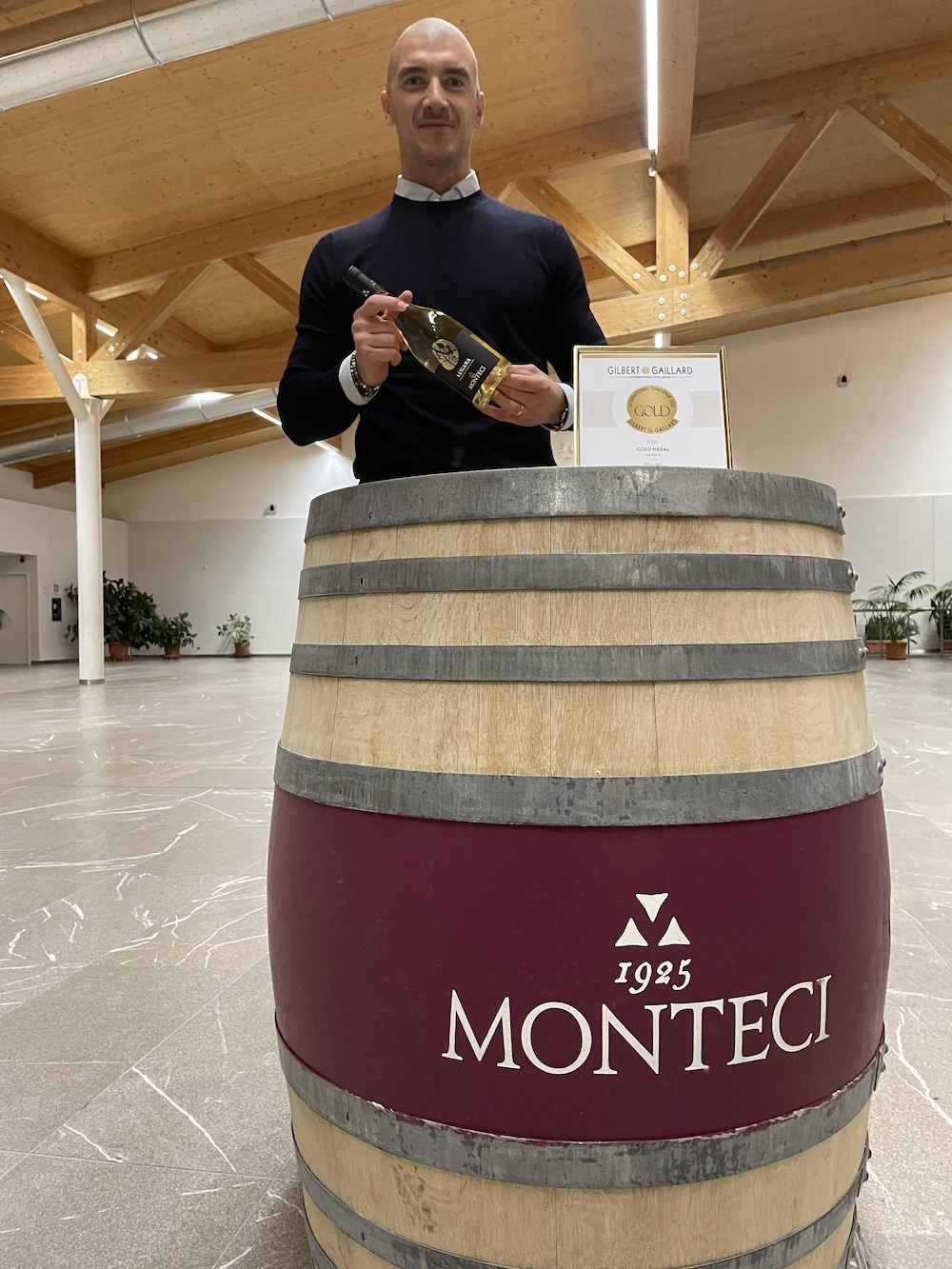
Francesco Righettti proudly shows off his wine awarded by the Gilbert & Gaillard International Challenge
Since 2018, all Monteci vineyards – including those located along the southern shores of Lake Garda – have been farmed and certified organic. The gradual transition was deliberate and thoughtful, reflecting the family's vision: to craft wines with an uncompromising sense of place. Monteci's Lugana vineyards sit along the appellation's classic mid-line between Peschiera and Desenzano, where clay soils dominate the landscape. These are the blocks where the estate produces its Lugana DOC Biologico. Monteci's intention is not to reinvent the identity of Lugana – instead, the family seeks to offer an honest, structured interpretation of the appellation that honours its origins. It is a Lugana that fully embraces its moraine roots, its lakeside environment and Turbiana's distinctive character. At Monteci, a century-old legacy meets a Lugana that looks confidently towards the horizon, yet never strays from its native land. See Monteci's results at the GGIC.
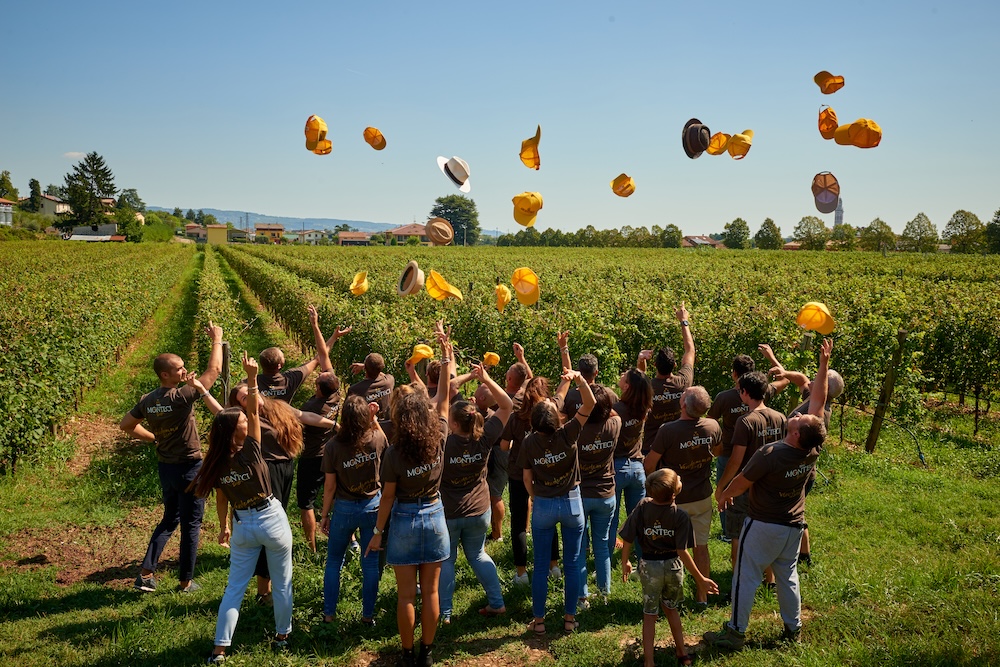
The joyful 2019 grape harvest at Monteci
Cà Maiol: the original elegance of Lugana
This story begins with an 18th century farm, the birthplace of the estate founded in 1967. A pioneer with an unwavering faith in the potential of the land, its founder played a key role in creating the Consorzio del Lugana, securing Cà Maiol's place at the very heart of the appellation's rise. Today, the Marzotto family ensures that this founding spirit lives on: a clear vision, a deep-rooted attachment to the land, and a constant desire to showcase the purity of Lugana.
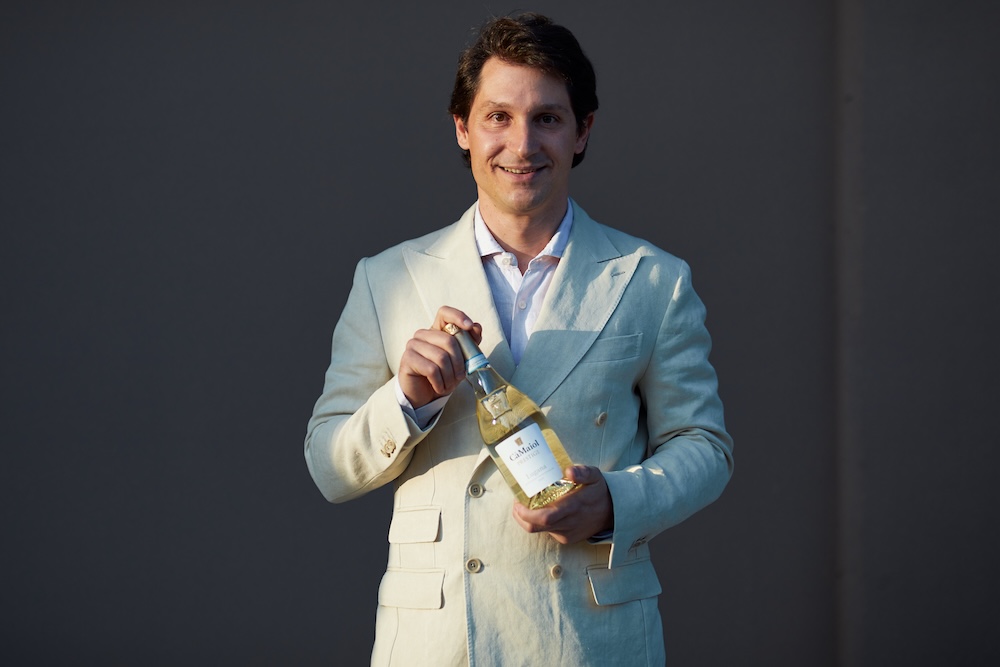
The Marzotto family – represented here by Alessandro – has preserved the founding spirit at Cà Maiol
Here, everything starts with the land. The estate's 110 hectares stretch from the historic core of Lugana to the hills of Valtènesi, where stratified clay – shaped long ago by glaciers – encounters the ever-mild microclimate moderated by the lake's breezes. The vineyards form a beautifully manicured garden, with immaculate rows punctuated by olive trees, citrus trees and copses. The landscape exudes harmony and naturally imprints finesse and tension into the wines. Sustainability lies at the estate's core. Practices show respect for biodiversity, rely on low-impact, sustainable methods and comply with stringent environmental standards. An experimental vineyard has also been established to safeguard Turbiana's identity and anticipate how the variety will respond to future climate shifts.
The cellar's perfectly calibrated design serves one purpose only: the wines themselves. Spread across three levels, it allows for gravity-fed processes – protecting the integrity of the grapes. The architecture is not decorative: its purpose is to show respect for the grapes so that sense of place can fully express itself. Our tasting, curated by Valentina Zanella, confirmed this emphasis on purity and aromatic precision, particularly in slightly more mature vintages that reveal true complexity. Cà Maiol has earned its reputation as one of Lugana's foremost interpreters – an estate that does not chase trends but instead asserts a confident, unmistakable signature style. See Cà Maiol's results at the GGIC.
Lugana DOC: a white wine appellation with a bright future ahead
Our journey around Lake Garda draws to a close – and what a captivating experience it has been, shaped as much by the landscapes as by the wines. Everywhere we went, a shared commitment emerged: the winegrowers' profound determination to protect their terroir. Their wines truly capture a vitality that is a joy to behold. One thing is certain: we have not heard the last from Lugana DOC. It will continue to delight white wine enthusiasts, of which there are many. To explore the broader context of Italian white wine excellence, discover how Italy's mountain viticulture is also rising to meet new challenges, or delve into the sparkling wines of Lombardy's neighbour with our guide to Franciacorta.