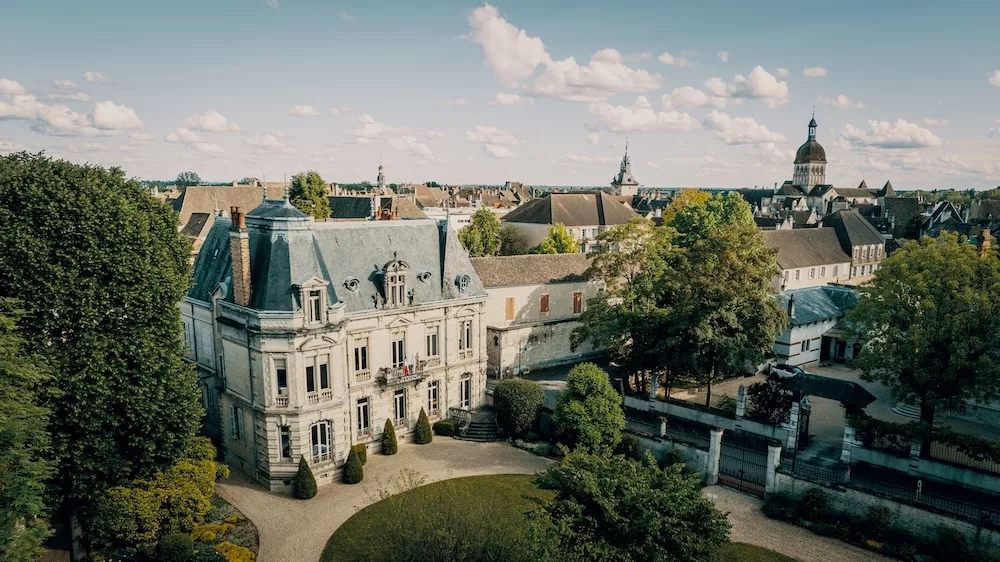
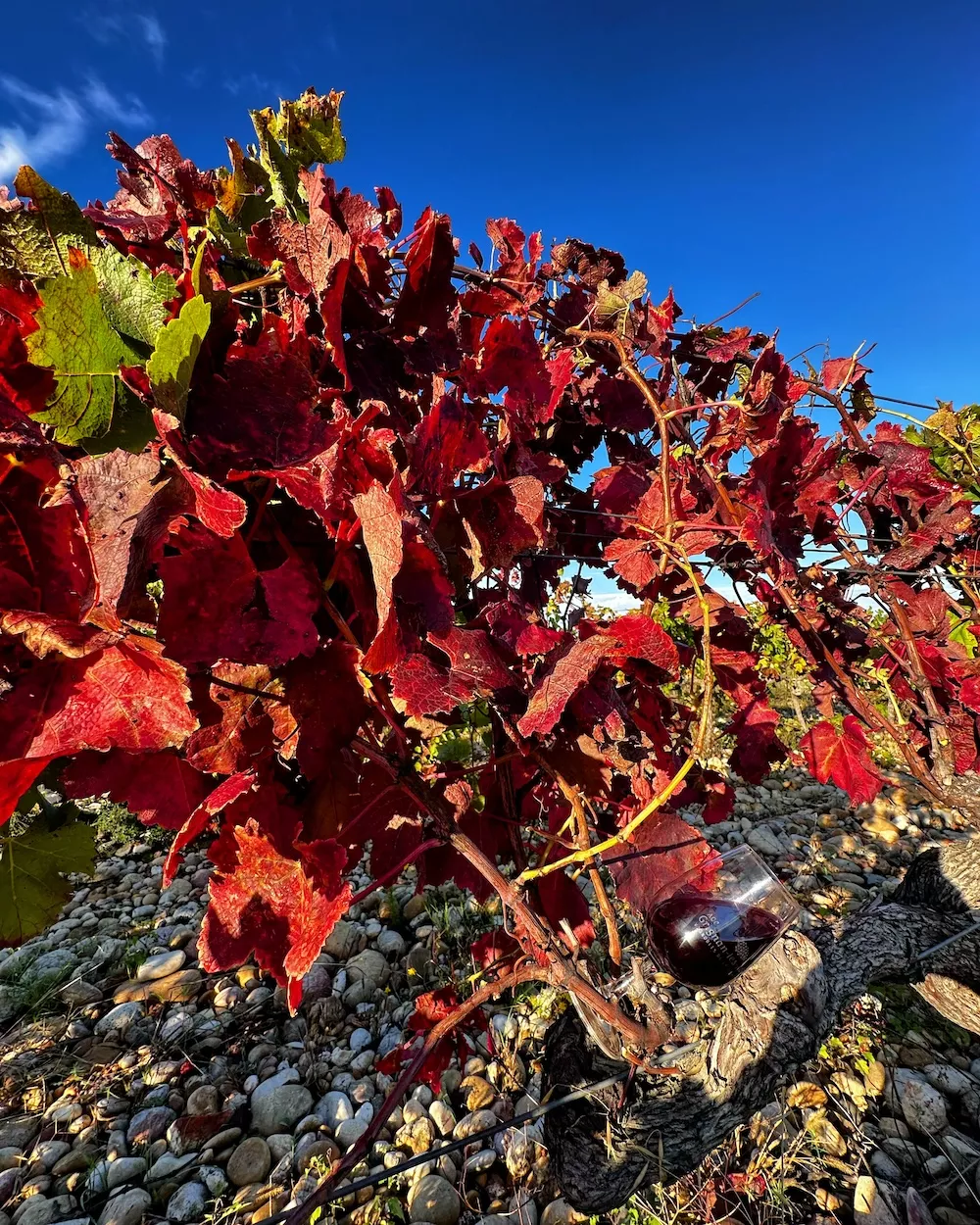
Saint-Amour's highly evocative name can overshadow its true character, eclipsing its standing as one of Beaujolais' most distinctive Crus. This small appellation in the northern reaches of the region boasts remarkable diversity, both in its terroirs and the styles it produces. Its wines combine floral delicacy with crisp fruit and layered structure, offering immediate pleasure while rewarding those with a penchant for age-worthy bottles.
A Beaujolais Cru blessed with a lucky name
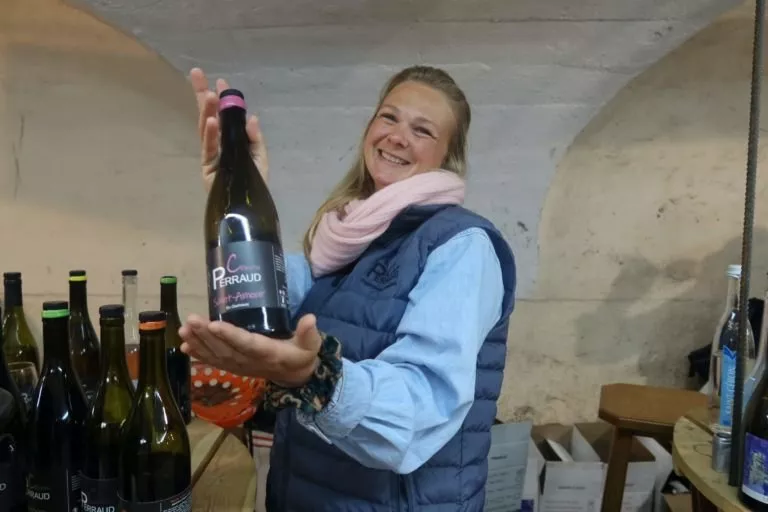
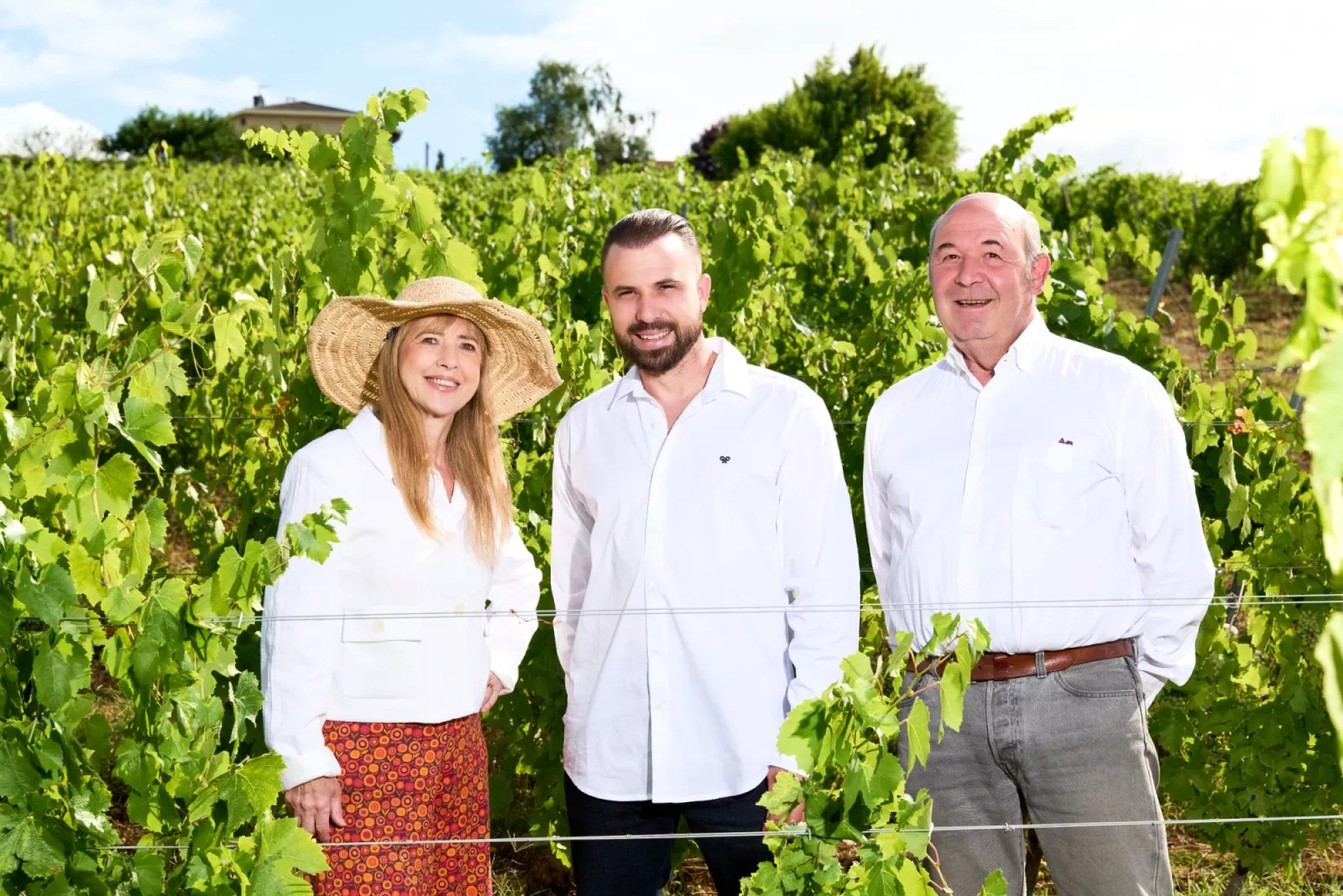
Marine Minot recently joined her partner Célestin Perraud on the estate
In truth, Saint-Amour is fortunate to be blessed with such a name. Who could resist the temptation of tasting 'Love'? A bottle makes a thoughtful gift for birthdays of friends and family, carrying a message of affection. Around Saint Valentine's Day it becomes the ultimate romantic 'potion', promising, if not to rekindle a fading flame, then at least to help create a memorable evening. Its name is undoubtedly an asset, especially at a time when declining wine consumption and shifting drinking habits among younger generations are challenging the industry. "If every appellation were called Saint-Amour, we might have fewer problems in the wine world", says Marine Minot at Domaine Célestin Perraud, who together with her partner Célestin owns one hectare of vines within the appellation.
Saint-Amour, Beaujolais' northernmost appellation
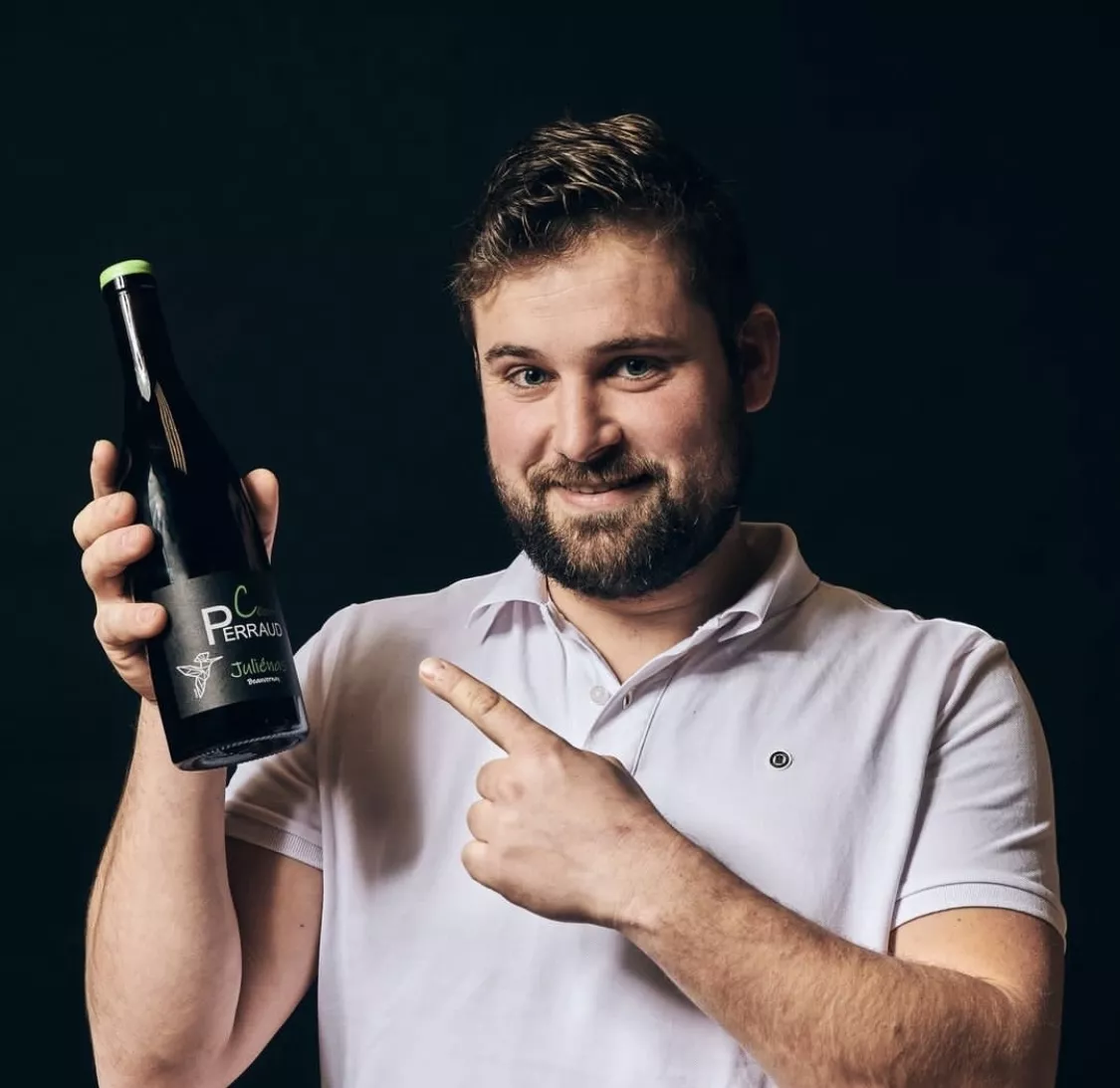
Célestin Perraud
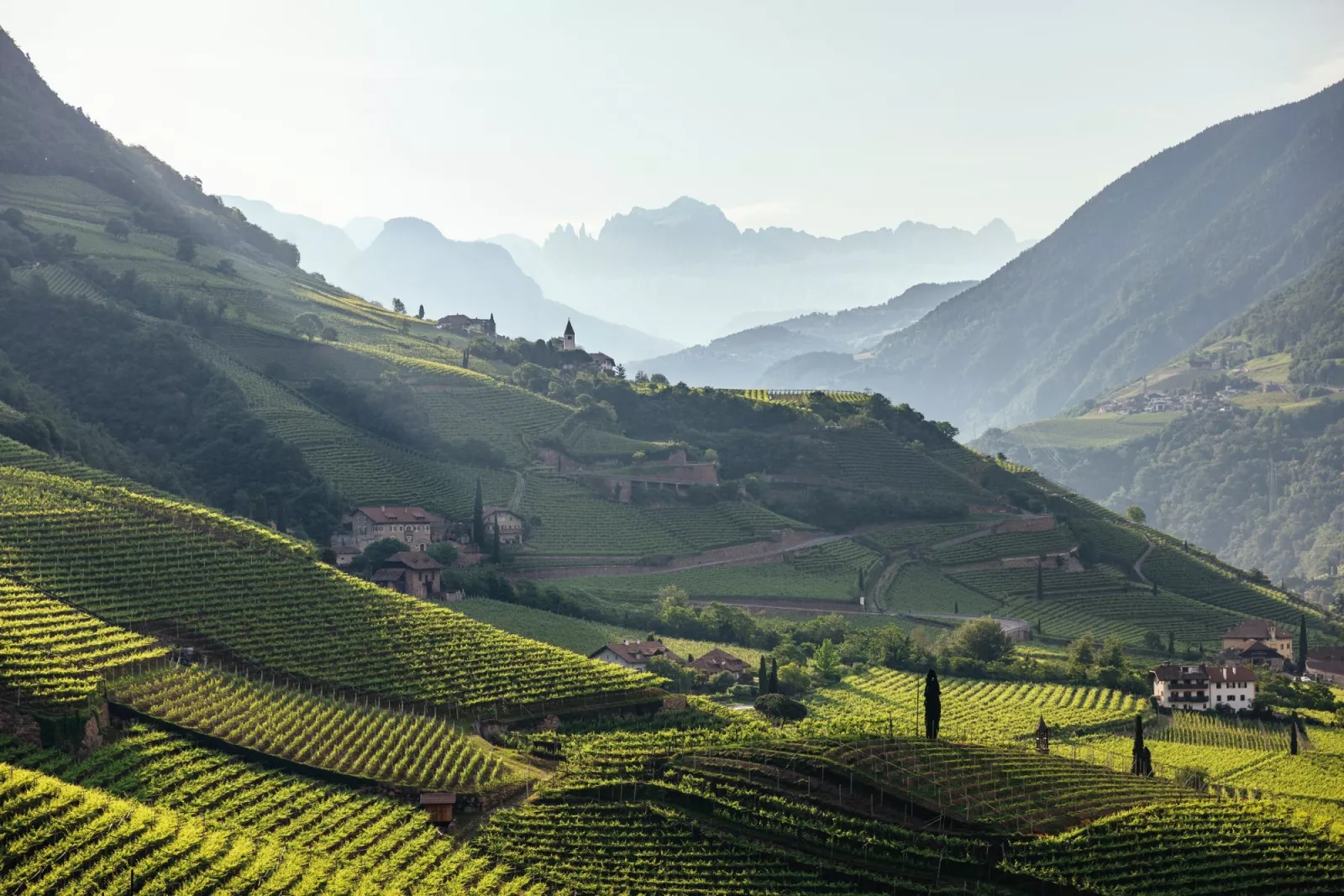
However poetic its name may be, Saint-Amour is far more than a romantic curiosity. Officially granted appellation status in 1946, it lies in the village of Saint-Amour-Bellevue, in Saône-et-Loire, in the northernmost tip of Beaujolais. Roughly half way between Lyon and Burgundy, the appellation covers 310 hectares tended by around one hundred winegrowers. Here, vineyards embrace the southern and eastern slopes of Mount Besset (478m) and the hill of l'Eglise (310m) at altitudes ranging from 240 to 380 metres above sea level. Three quarters of the vines enjoy south and south-eastern exposures, overlooking the plain of the Saône, the Rhone's principal tributary.
The 1987 edition of the Larousse des Vins described it rather tersely as "one of the most compelling Beaujolais Crus, with its pretty ruby colour and its quite light, delicate bouquet". For many years, however, much of the Gamay grown here was sold to negociants, leaving the appellation's full potential largely unexplored. What sets Saint-Amour apart is its unique ability to reconcile instant appeal and substance. Equally at ease as an aperitif or at the table, Saint-Amour pairs effortlessly with dishes ranging from burrata with pesto to a chocolate and raspberry fondant.
Multiple personas
This stylistic diversity stems from a number of factors, chief among them the remarkable patchwork of soils which span the foothills of Beaujolais, where granite, bluestone, limestone, marl and clay coexist. "Each site has its own character", explains Arthur Lotrous, who has run Domaine Les Sources d'Agapé since November 2018. His six hectares of organically-certified Saint-Amour vines are spread across three geological fault lines. On these granite and clay-flint hillsides, Gamay expresses itself through a refined aromatic spectrum, where peony and violet mingle with bush peach, cherry and sweet spice.
Yet Saint-Amour is about far more than floral charm. Certain vineyard sites give rise to assertively structured wines underpinned by a dense mouthfeel, fine tannins and considerable ageing potential. "In my highest vineyards on Mount Besset, the pink sandstone bedrock lies just beneath the surface. Côte de Besset, at the foot of the slope, is planted on scree deposits, while Petite Besset sits on the valley floor where the alluvial soils are fairly deep. In the winery, I use exactly the same winemaking techniques for all three wines, yet the results are strikingly different. It is a powerful demonstration of how Beaujolais can express the same notion of 'climat' so closely associated with Burgundy", says Lotrous.
The role of maceration
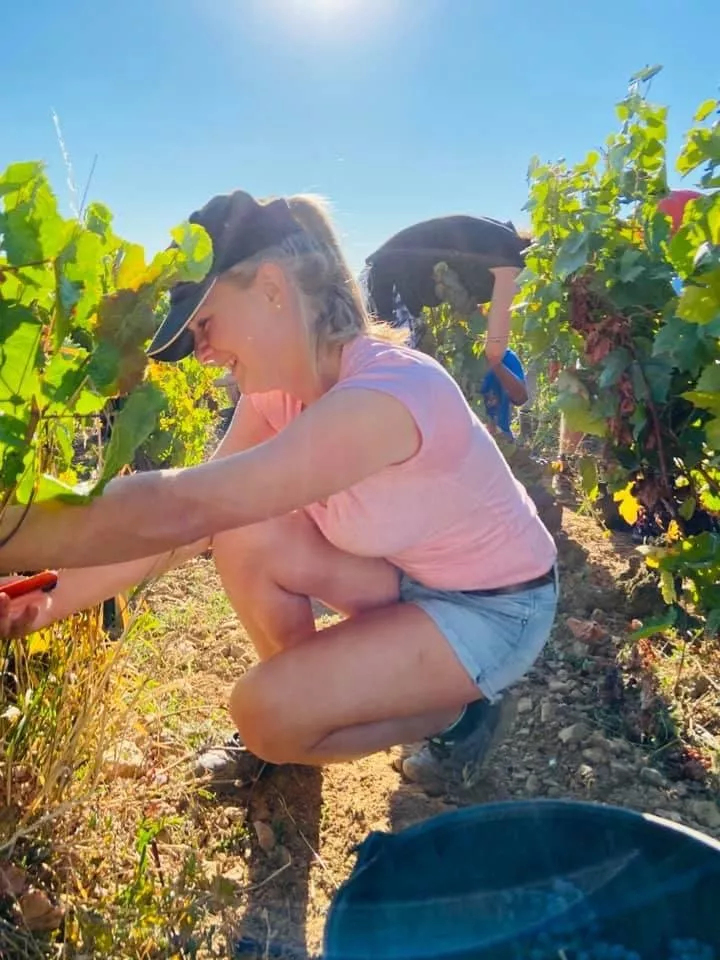
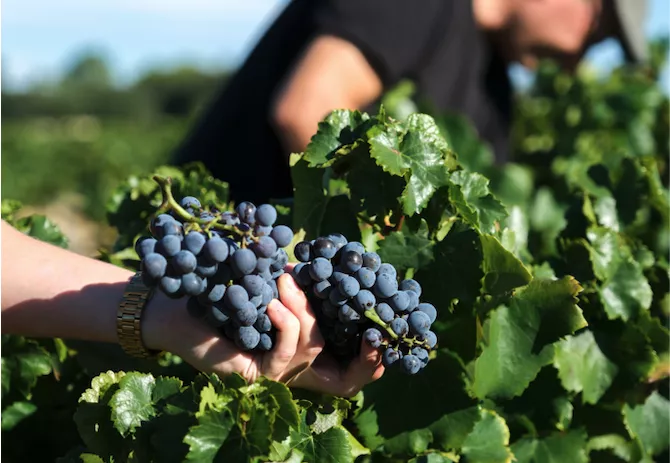
At Domaine Célestin Perraud, the grapes are picked by hand early in the morning so that their inherent freshness is preserved
The diversity of styles found in Saint-Amour is also shaped by winemaking choices, particularly the length of maceration. Shorter macerations tend to produce lighter, appetising wines marked by aromas of iris, violet or raspberry. Extend the skin contact, however, and the wines become more powerful, structured and complex. Aromas of kirsch, spice, undergrowth, liquorice and black fruits emerge, while ageability increases significantly, with some wines requiring five years to reach their peak.
"For our Saint-Amour, we chose relatively straightforward winemaking techniques" explains Marine Minot. "We pick the fruit by hand, ferment with native yeast and then allow maceration to continue for ten to twelve days. After pressing, the wine spends six to seven months in stainless steel tanks before being bottled in the spring. The result is a wine with remarkable freshness and fruit. If you enjoy bright, fruit-forward styles, this is the kind of Saint-Amour for you. We believe Saint-Amour should retain generous fruit, drinkability and versatility. These are wines that are just as enjoyable as an aperitif as they are with everyday dishes or more gastronomic cuisine".
Fruit integrity
In his winery, Arthur Lotrous has chosen to rely on native yeast and whole-cluster fermentation, leaving the bunches intact so that the stems and the berries macerate together. The technique is known as semi-carbonic maceration or the Beaujolais method. Under the weight of the harvest, the fruit at the bottom of the tank is crushed, releasing the juice and carbonic gas, while the grapes at the top macerate uncrushed. This produces wines that combine vibrant fruit and suppleness with enough tannic structure to provide balance and longevity. Careful temperature management is key. The grapes are picked by hand early in the morning, but always after sunrise. While Lotrous uses refrigeration equipment, it is not intended for low-temperature fermentation; its purpose is to prevent temperatures rising above 30°C. "Keeping fermentation temperatures between 20 and 25°C preserves Gamay's primary aromas and bright fruit character: exactly what people expect to find in a glass of Gamay!" explains Lotrous.
"Saint-Amour is perfectly aligned with current consumer tastes", adds Jean-Etienne Chermette at Domaine Chermette, which has been owned by the same family since 1636. "It is a fresh, fruity, light and approachable appellation that resonates strongly with today's consumer preferences". Like Lotrous, Chermette favours whole-cluster fermentation, and is convinced that "Saint-Amour deserves to be more widely enjoyed". Only then can an appellation producing just 1.7 million bottles a year secure its place in Beaujolais, and worldwide. The appellation's marketing board is even considering tripling production over the next five to ten years.
Saint-Amour sets out to conquer the world
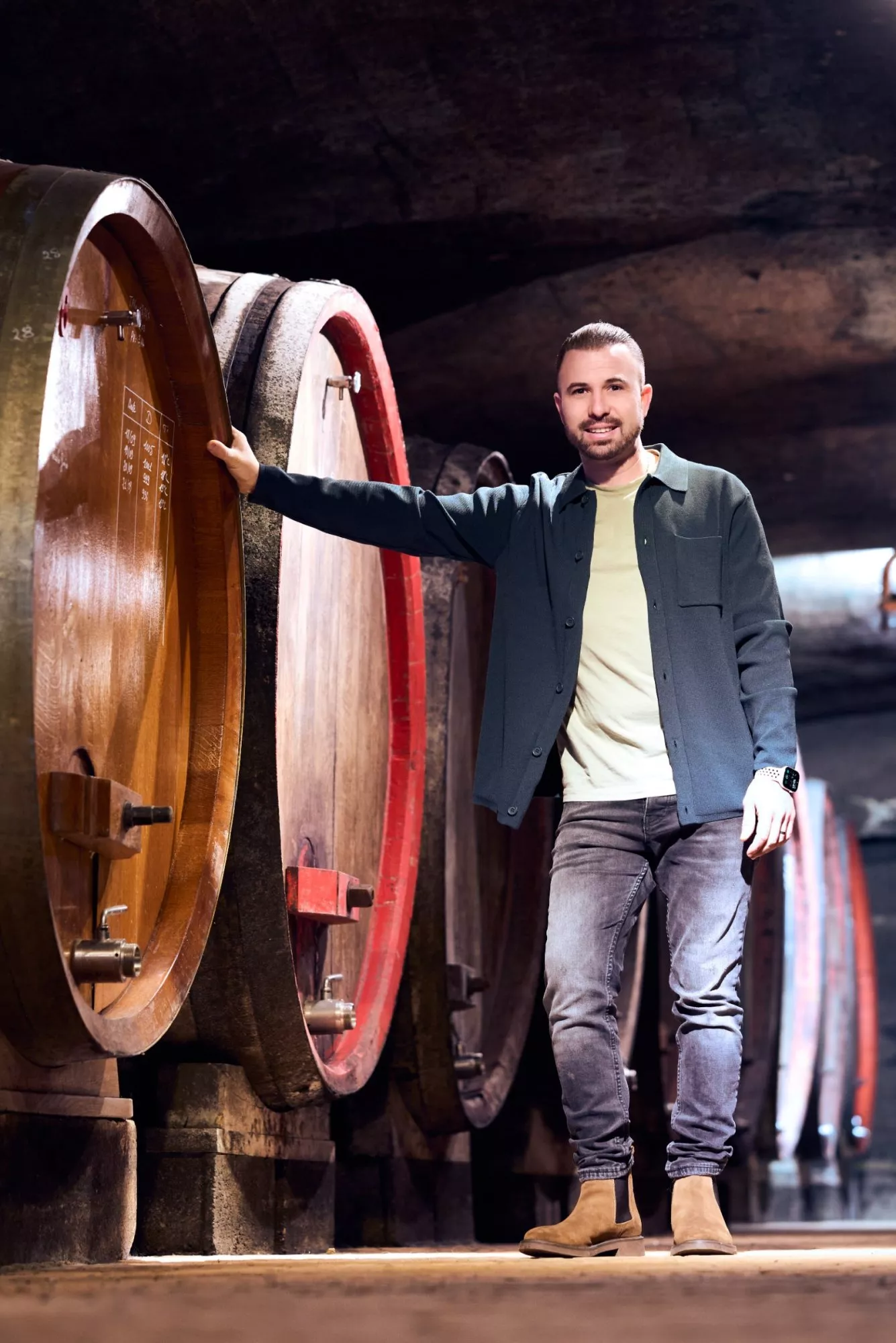
Jean-Etienne Chermette uses traditional Beaujolais winemaking techniques, macerating whole clusters for nine days
"Outside France, our long-standing export markets remain modest in size, comprising the United States, Japan, China and Malaysia", stresses Chermette. "I also export to Canada, South America, Spain, Australia and to a lesser extent New Zealand, but my export business is fairly opportunistic". His experience is echoed by Lotrous: "I used to export to the United States, but I don't have any regular overseas markets. Most sales tend to be one-off opportunities". Marine Minot has adopted a slightly different strategy: "For the moment, we export a small amount to Belgium. Our main target is Europe because it's closer and more stable than markets such as the United States".
Yet awareness of this distinctive appellation is steadily growing. In 2016, directors Benoît Delépine and Gustave Kervern paid tribute to the appellation in their film Saint Amour starring Benoît Poelvoorde, Gérard Depardieu and Chiara Mastroianni. The story follows Bruno and his father Jean (played by Poelvoorde and Depardieu) as they embark on a journey along France's wine routes. Saint-Amour now has its sights set on a more ambitious goal: winning over wine lovers around the world.
Saint-Amour: FAQ
Where is the Saint-Amour appellation?
In the village of Saint-Amour-Bellevue, in Saône-et-Loire, roughly half way between Lyon and Burgundy. It is the northernmost Beaujolais Cru: around one hundred winegrowers tend 310 hectares between 240 and 380 metres on Mount Besset and the hill of l'Eglise, where Arthur Lotrous of Les Sources d'Agapé farms six organic hectares.
What does Saint-Amour wine taste like?
It is a floral, crisp Gamay: peony, violet, bush peach, cherry and sweet spice on the granite hillsides. Some sites produce more structured wines with fine tannins. At Les Sources d'Agapé, Arthur Lotrous vinifies Mount Besset, Côte de Besset and Petite Besset in exactly the same way, yet obtains three strikingly different wines.
How long can you age Saint-Amour?
Up to around five years for the most structured wines. Longer macerations bring kirsch, spice, undergrowth, liquorice and black fruits, and some wines need five years to reach their peak. Shorter macerations, like the ten to twelve days used at Domaine Célestin Perraud, give bright, fresh, fruit-forward wines with great drinkability.
What food goes with Saint-Amour?
It works as an aperitif or at the table, from burrata with pesto to a chocolate and raspberry fondant. Marine Minot of Domaine Célestin Perraud says her fruity, versatile Saint-Amour is just as enjoyable with everyday dishes as with gastronomic cuisine, and it remains the obvious choice for Saint Valentine's Day.
Which Saint-Amour wines should I try?
Three estates featured by Gilbert & Gaillard are worth discovering: Les Sources d'Agapé's Côte de Besset 2023, from organic vines, Pierre-Marie Chermette's Les Champs-Grillés 2025, from a family making wine since 1636, and the bright, fruit-forward Saint-Amour of Domaine Célestin Perraud.
Is Saint-Amour exported?
Yes, but on a modest scale. With around 1.7 million bottles a year, the appellation's long-standing markets are the United States, Japan, China and Malaysia. Jean-Etienne Chermette also ships to Canada, South America, Spain and Australia, while Domaine Célestin Perraud focuses on Europe, starting with small volumes for Belgium.