By Camille Bernard – Photographs: courtesy of the estates, posted on 23 June 2026
While Burgundy’s fame rests on a handful of celebrated names, the numbers tell a different story. Of the region’s 84 AOCs, the regional appellation alone covers nearly 50% of bearing acreage and 53% of volumes. It is this sheer magnitude that makes the ‘Bourgogne’ appellation – and its iterations – a true treasure trove of accessible wines from every corner of the region.
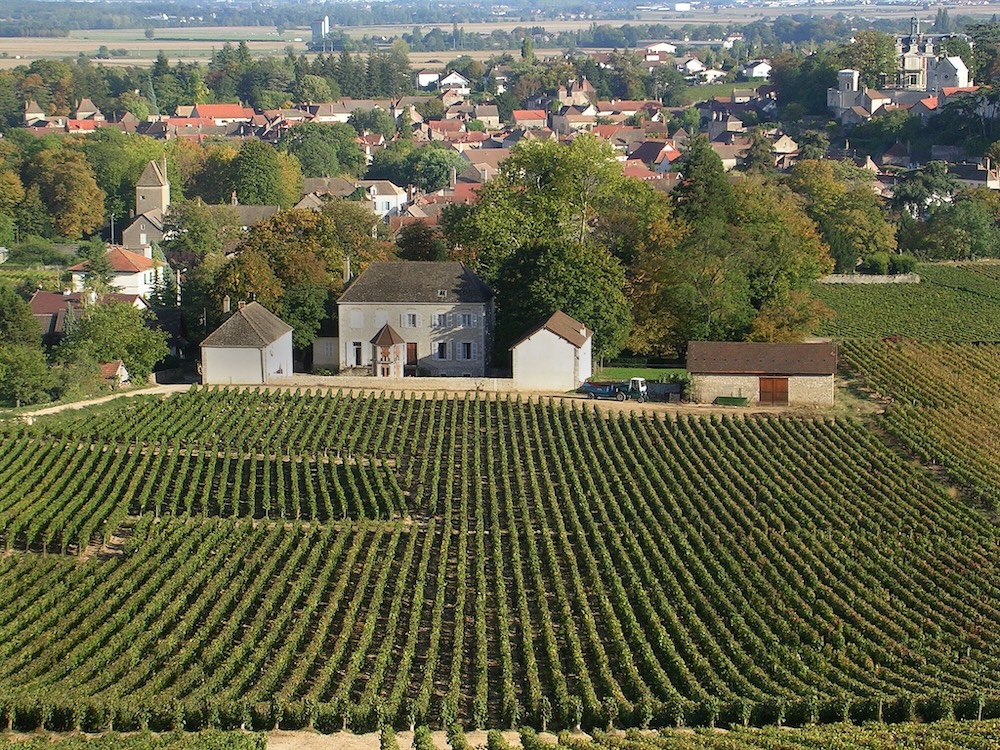
The Burgundy wine region embraces over 28,000 hectares
AOC Bourgogne has been a protected appellation since 1937, theoretically spanning the full sweep of Burgundy. In practice, though, these wines come from vineyards which, for various reasons, do not qualify for 'villages' or Premier Cru status. With higher permitted yields, slightly different soil profiles and sites located at the foot of the slopes, the criteria that define their boundaries have actually created a curious paradox: in Chablis and the Côte Chalonnaise, some Bourgogne-classified vineyards sit directly alongside Chablis or 'villages' plots. In the glass, the line between them can be incredibly fine.
For growers, the equation grows even more intricate. The wines must remain affordable yet as Burgundy's gateway wines for many drinkers, they cannot afford to disappoint. And the recent context certainly hasn't helped: after the generous 2022 and 2023 harvests, the 2024 vintage delivered one of the smallest crops in fifteen years, immediately sending bulk transactions tumbling (-36.6% on 2024). More comfortable stocks heading into the summer of 2025 eased some of the pressure slightly, but the potential of the following vintage once again fell short of expectations.
Even so, the market is still headed north. At home and abroad, AOC Bourgogne wines – especially the whites and Crémants – are posting strong growth, as explored in our feature on the rise of Crémant de Bourgogne. Their momentum raises an important question though: in a region defined by its strict hierarchy, how do these wines secure their place alongside the revered villages and Grands Crus? To explore the answer, we surveyed five producers who navigate this challenge every day.
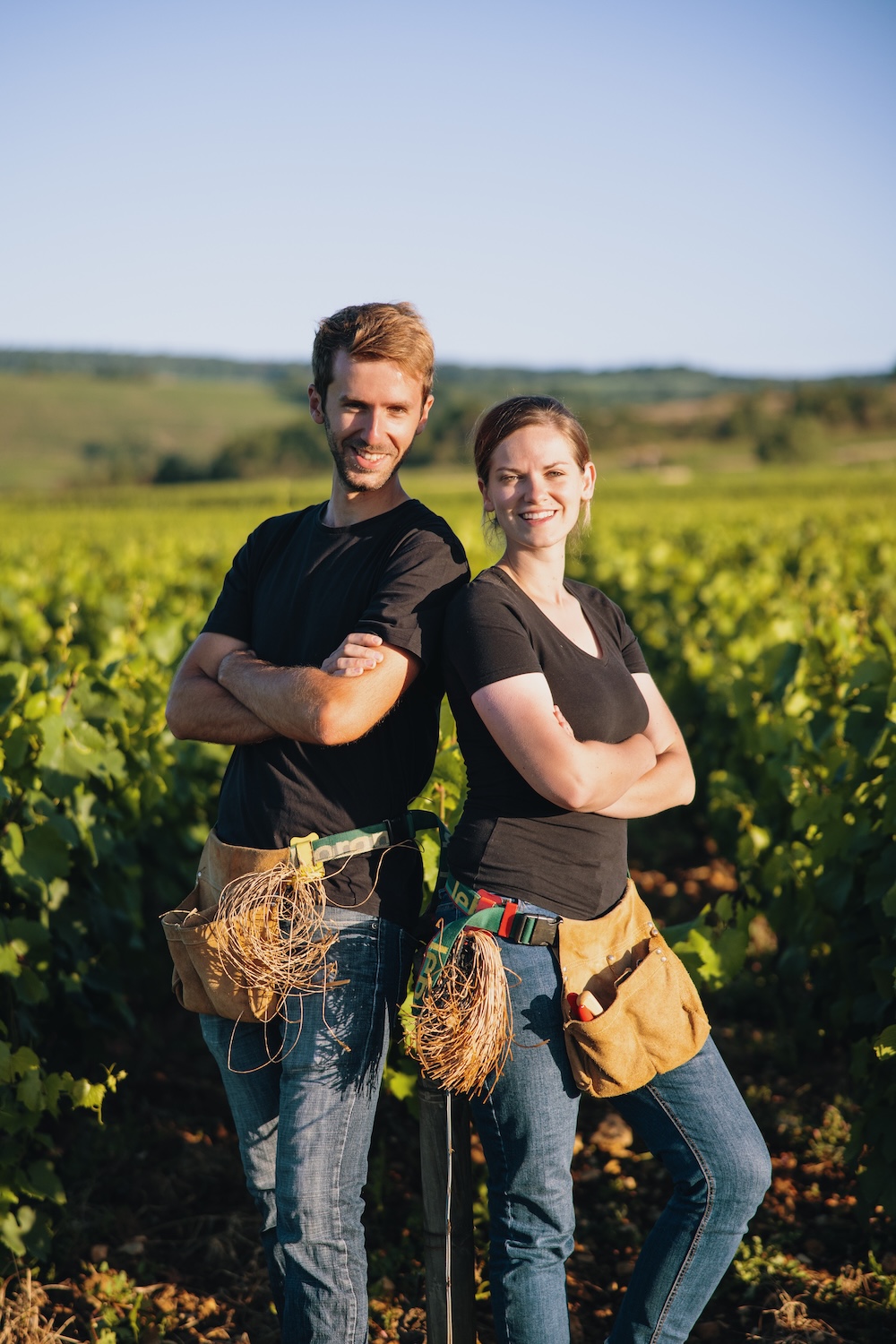
Nathalie Bernard and Sébastien Fossier, the new generation at Domaine Bader Mimeur
Bader Mimeur: deconstructing the image of inaccessible Burgundy
Since the 17th century, Domaine Bader Mimeur in Chassagne-Montrachet has been stewarding an exceptional heritage – virtually all of Château de Chassagne-Montrachet's vines, a rarity in the Côte de Beaune.
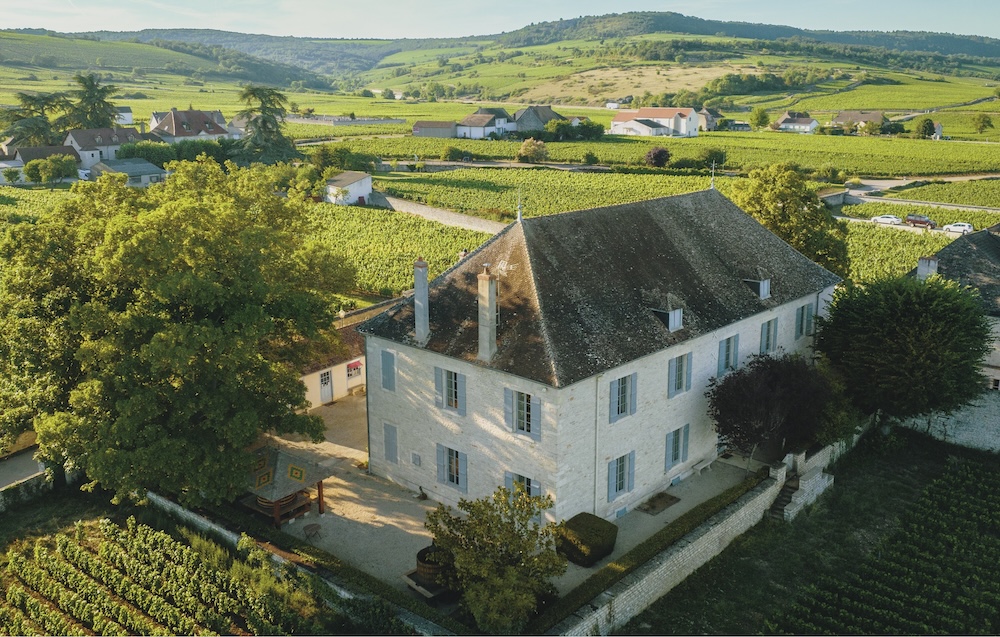
The estate farms 5 hectares of vines in AOC Chassagne-Montrachet
In 2020, fifth-generation custodians Nathalie Bernard and Sébastien Fossier took the reins of this historic property. Today, the estate spans 8 hectares, covering not only the expected Chassagne-Montrachet vineyards, but also Saint-Aubin Premier Cru as well as Bourgogne Chardonnay, Bourgogne Pinot noir and even Bourgogne Aligoté.
Nathalie's approach sets her apart from other producers: "Burgundy carries an image of unaffordable wines – and that's what I'm trying to deconstruct. Burgundy shouldn't be defined solely by its prohibitively priced bottlings when half of total production comes under the regional appellation".
On the estate, the different vineyard blocks are treated the same. "Our vineyard management techniques for AOC Bourgogne are exactly the same as for our Chassagne-Montrachet. The only thing that changes is the yield".
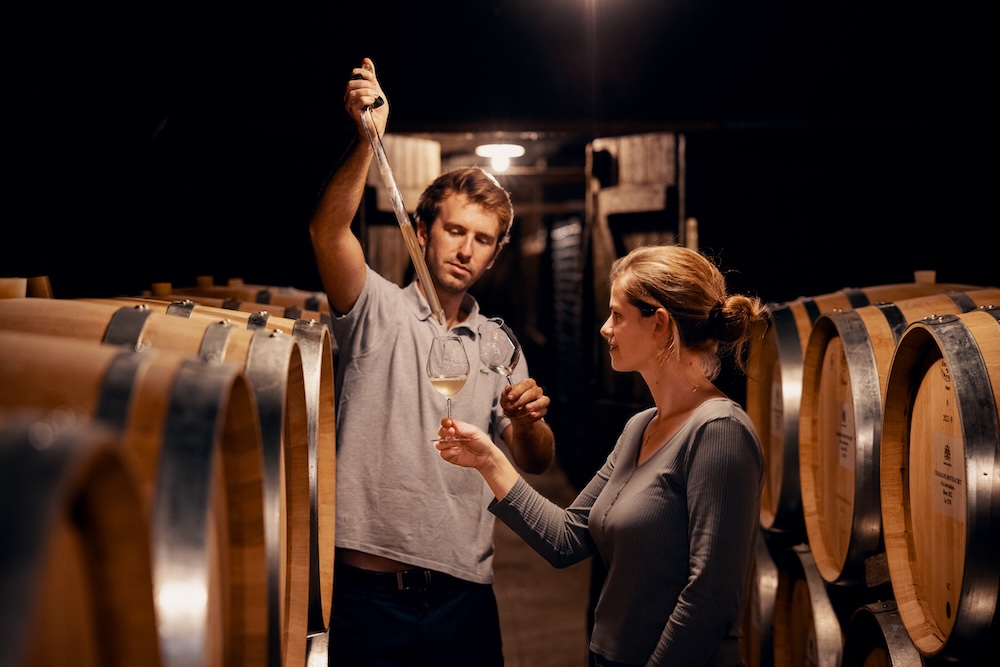
Bader Mimeur uses exactly the same vineyard management techniques across all appellations
One detail though stands out: the 'Dessous les Mues' climat is stated on the labels of the Bourgogne Chardonnay and Bourgogne Pinot noir wines. "This climat is located within the village of Chassagne-Montrachet", Bernard points out. Unsurprisingly, the wines bear an uncanny resemblance to their more illustrious counterparts. "These are wines to enjoy and they perform particularly well in export markets. But their boutique scale – half a hectare per colour – means we simply cannot meet all the demand", she concludes.
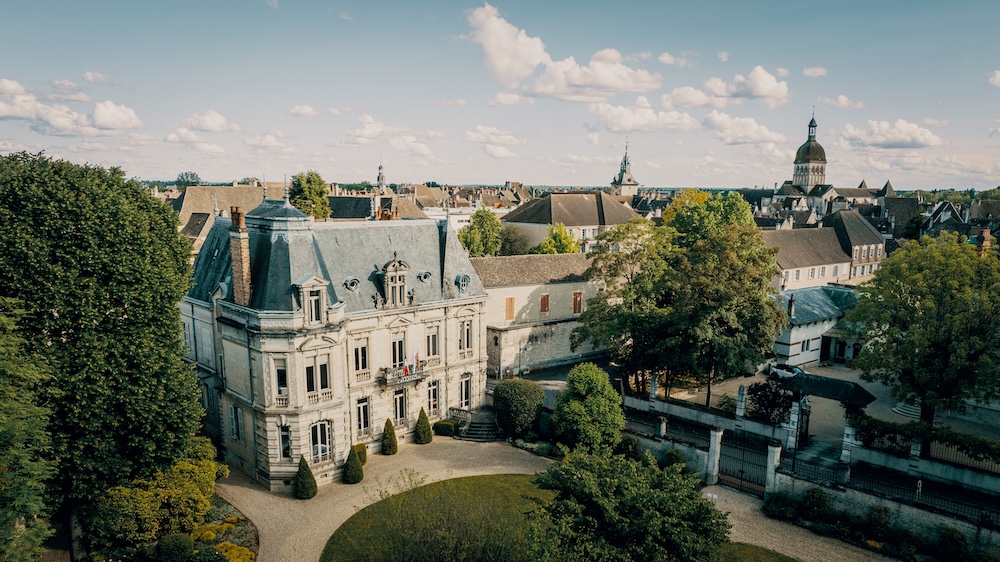
Chanson is a time-honoured company
Chanson: Breathing with both lungs
Domaine Chanson (see Domaine Chanson results at GGIC) holds a special place in the Burgundy landscape. This historic company, which has focused on prime vineyard sites since 1750 and belonged to Bollinger since 1999, is one of the leading landowners in the Beaune appellation, standing alongside the storied Hospices de Beaune. Boasting 43 hectares of organically-certified vines in the Côte de Beaune, Chanson has long earned its reputation across some of Burgundy's finest climats.
In 2023, however, the estate reached a pivotal turning point. Its acquisition of 45 hectares in the Côte Chalonnaise – primarily in Mercurey and Rully and now undergoing conversion to organic – both strengthened its vineyard base and considerably widened its scope. "Expanding into the Côte Chalonnaise allows Chanson to breathe with both lungs", says managing director Thierry Berger.
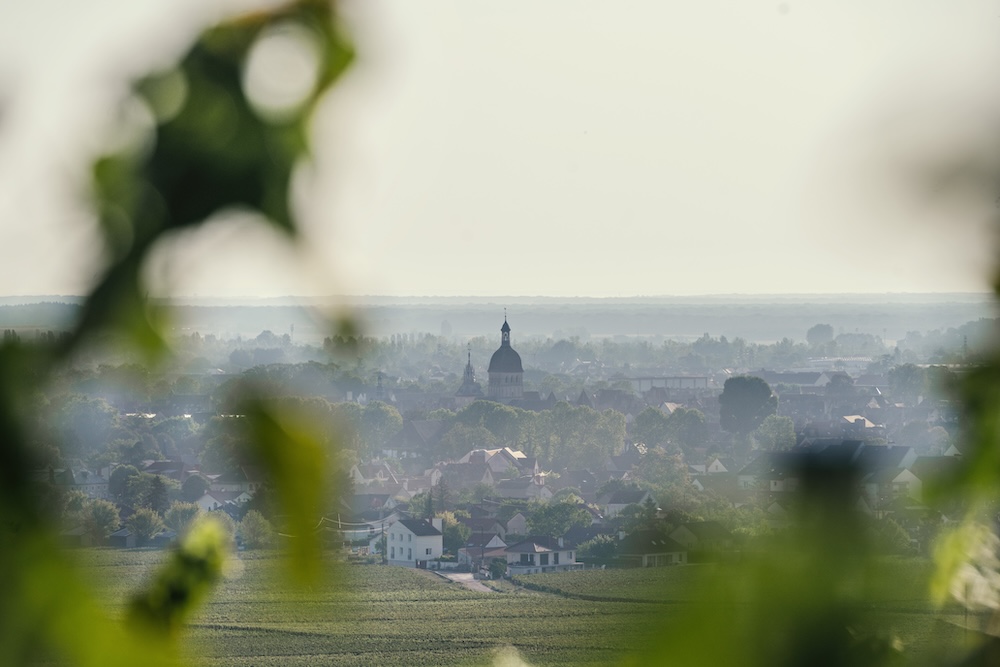
The company markets a range of quality regional appellations
The addition of these Côte Chalonnaise vineyards enables it to build a more robust portfolio of high quality regional appellations: 1.7 hectares of Chardonnay, 4 hectares of Pinot noir and 1.2 hectares of Aligoté, mainly situated around Mercurey with some vines near Chassagne-Montrachet. "We have a long history of producing AOC Bourgogne wines", stresses Berger.
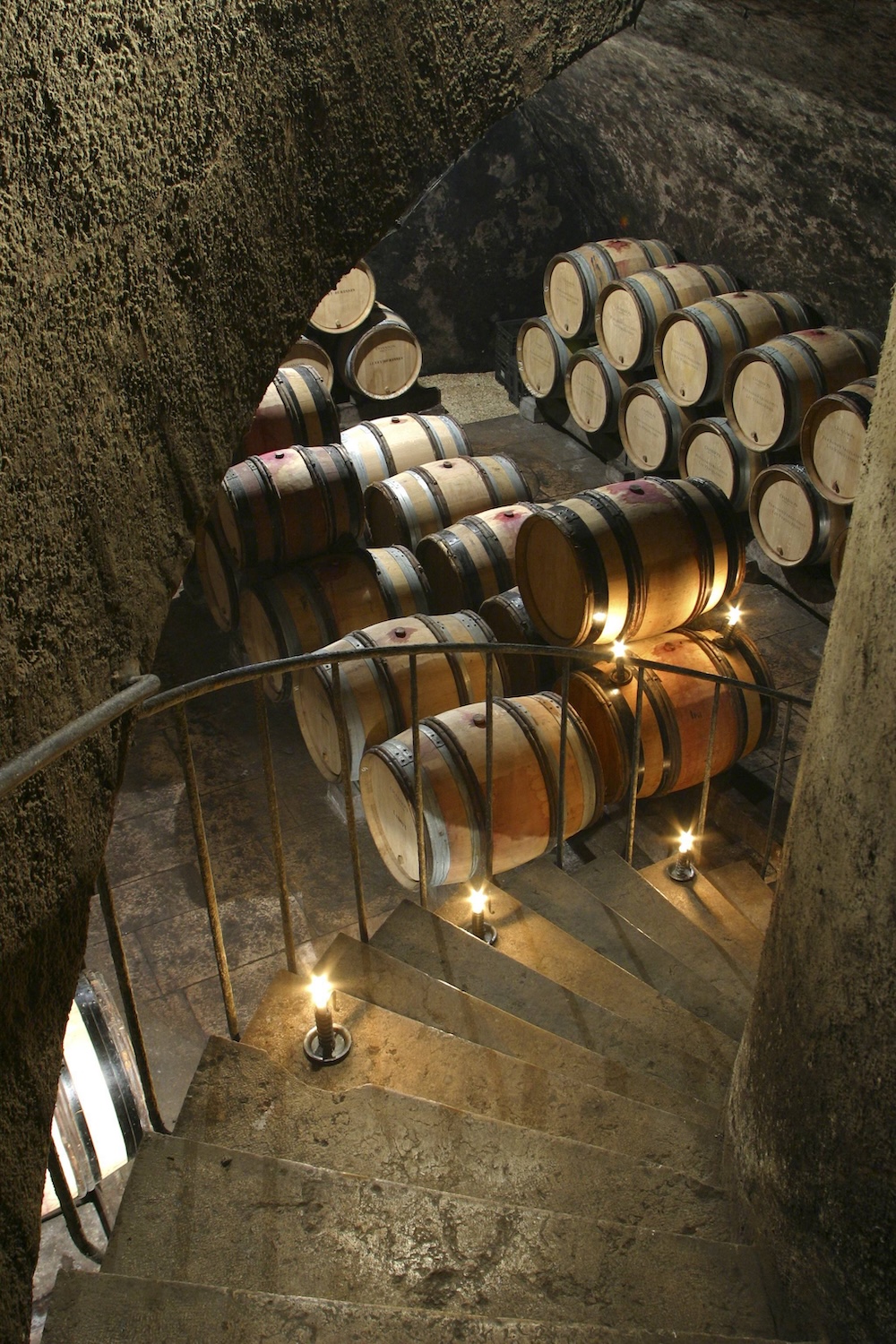
All Chanson wines are matured in the estate’s Bastion
Partially matured in barrels in the Bastion – the estate's historic cellar – the Bourgogne Pinot noir, Bourgogne Chardonnay and Bourgogne Aligoté display remarkable quality – proof that a top producer can combine prestige and accessibility without compromising on excellence. "Diversifying across several appellations is a conscious choice – one that shapes our image while allowing for range segmentation. Today, we are delighted to return to the market with a renewed narrative and new range of wines", Berger concludes.
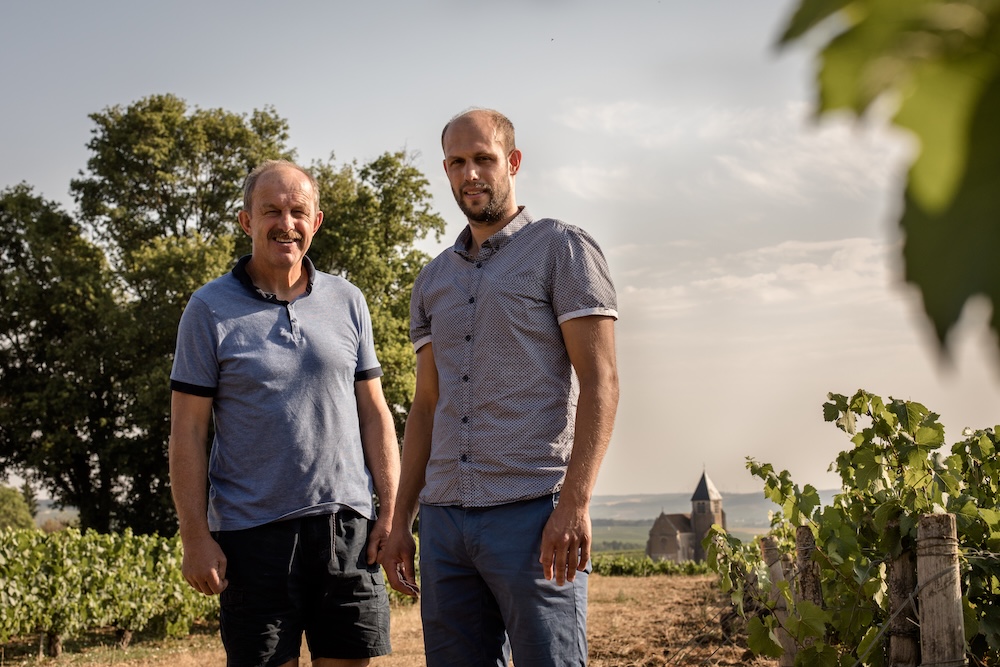
Camille and Laurent Schaller, winegrowers from father to son
Camille and Laurent Schaller: Pinot noir in the vineyards of Chablis
In the heart of Préhy, a small village in the Chablis region, Laurent Schaller and his son Camille farm around twenty hectares under vine. As our in-depth portrait of the Chablis appellation highlights, the area's distinct identity rests on much more than its famous white wines alone.
Préhy holds a unique distinction: it is the only village in Chablis entitled to produce wines under the regional Bourgogne appellation. Their vineyard blocks span Chablis, Petit Chablis, Premiers Crus Vaucoupin and Vau de Vey, along with Bourgogne Chardonnay, Pinot noir and Aligoté. The regional wines have rapidly become an essential pillar of the estate's portfolio.
Among them is a "Bourgogne Aligoté produced from vines that are over thirty years' old", says Camille Schaller (see Domaine Camille et Laurent Schaller results at GGIC) with pride – "an impressive age for a grape variety that drew little attention just fifteen years ago", he adds.
Bourgogne Chardonnay – a more recent addition – "got off to a roaring start in France and abroad", he comments. But the breakout star is the Pinot noir. First produced in 2020, it has swiftly found its audience. "These are wines for pleasure, easy to drink and easy to sell". Their immediate appeal chimes perfectly with consumers looking for appetising wines offering instant gratification.
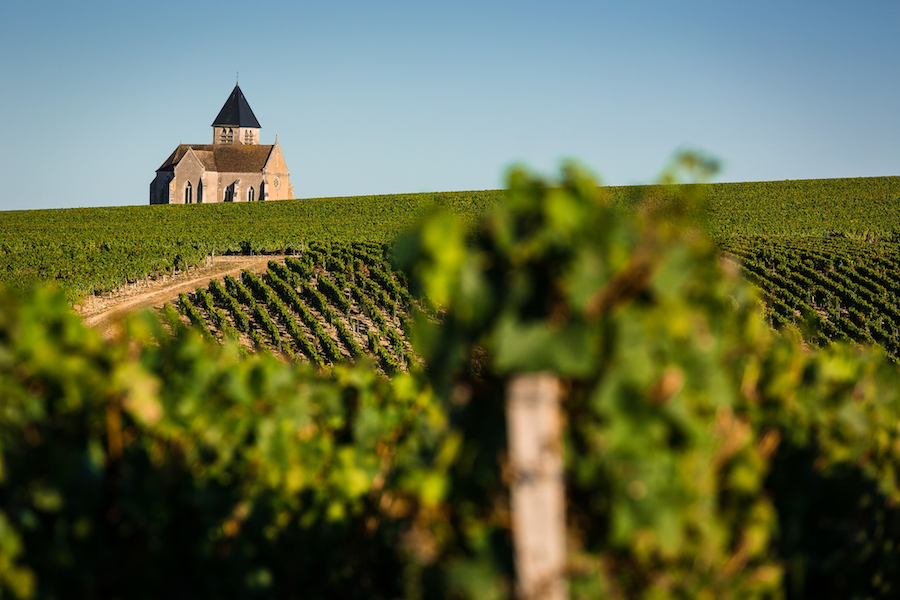
Préhy is the only village in Chablis that is eligible for the regional appellation (©BIVB Ibanez A.)
In the vineyard, every vine receives the same care and attention, regardless of status. "Wherever possible, we avoid using plant protection products, favour tillage and work with organic fertilisers".
Today, 75% of the estate's total production is shipped overseas but Schaller remains realistic: "If I hadn't had AOC Chablis wines, I would have struggled to sell my AOC Bourgogne wines. We are known primarily for our Chablis and that reputation builds trust in the quality of our regional appellation wines".
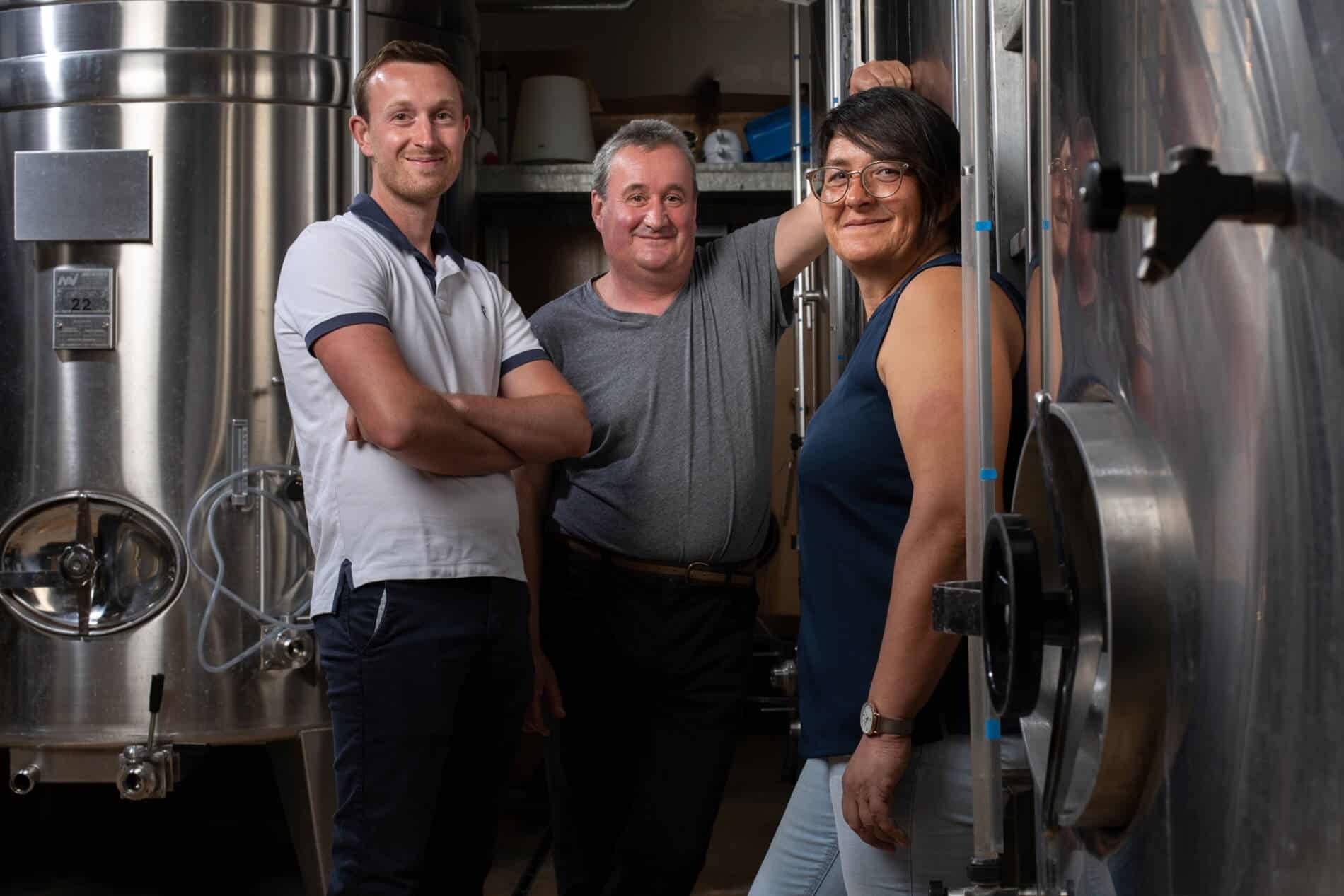
The Gagnepain family in the winery at Domaine de la Côte de Fasse (©BIVB Sébastien Boulard - CL)
Domaine de la Côte de Fasse: diversification as a strategy
In the village of Beine, just outside Chablis, the Gagnepain family has reverted to diversifying its appellation range. Founded in 1991 by Françoise Gagnepain and two of her children – Laurent and Isabelle – Domaine de la Côte de Fasse long focused on Chardonnay, producing AOC Chablis and Petit Chablis wines.
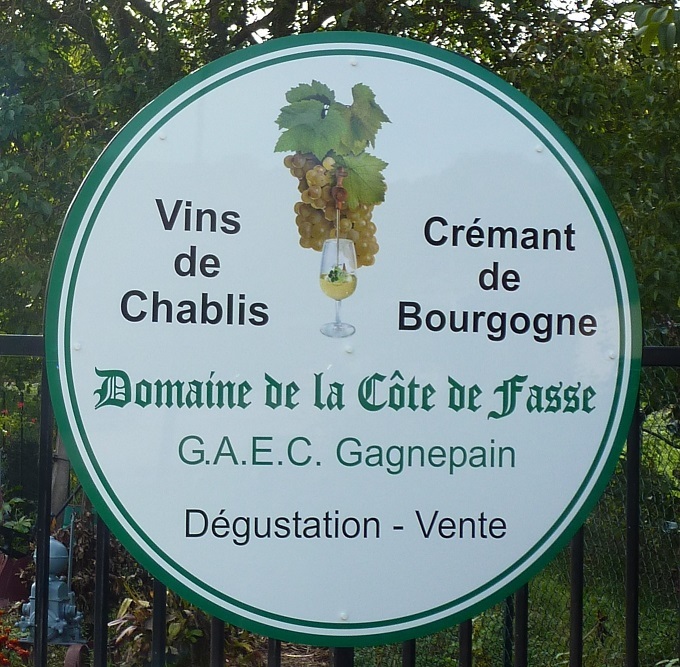
Domaine de la Côte de Fasse historically specialised in Chablis
That focus began to shift in 2016 with the arrival of Paul, Laurent's son. "Paul's arrival triggered a diversification of our portfolio", explains Isabelle Gagnepain. "The estate began to grow again and so did the range".
A key milestone came in 2018 when a block of Pinot noir vines was planted in the 'Les Veaux' climat. The 0.42-hectare plot now produces two wines – a fruity Bourgogne rosé designed for early drinking and a red Bourgogne that is fresh, characterful and structured – versatile enough for summer barbecues, red meats and mature cheeses. "Admittedly, the quantities remain small but they enable us to enter a high-growth segment, particularly in export markets", says Gagnepain, who couldn't be more pleased with the development.
AOC Bourgogne: the foundation stone of Burgundy wines
From Chassagne to Rully and from Beine to Préhy, Bourgogne is a multi-faceted regional appellation, far removed from the clichés that often cling to it. The generic Bourgogne appellation is anything but a 'by-product'; it is a foundation stone – technical, economic and symbolic – upon which the entire Burgundy edifice rests. It covers half the region's vineyard acreage, permeates the identity of its wine companies and carries Burgundy's message across the globe. If its mission had to be distilled, it would be this: an extraordinary reservoir of talent, experimentation and transmission.
Yet for all its substance, the category still needs greater visibility among consumers. Ongoing initiatives by the Burgundy wine producers' organisation – such as specific production rules including those for Côte d'Or – aim to sharpen segmentation and in turn, understanding. What the regional Bourgogne appellation sometimes lacks is recognition. At a time when the prestigious growths are soaring to ever more inaccessible heights, these wines serve as Burgundy's true entry point – accessible but never bland, approachable yet far from simplistic. For a broader perspective on the diversity of wines within this price bracket, our guide to good value Burgundy offers a compelling companion read. They remain, in every sense, the gateway into the world of Burgundy.