Pairings
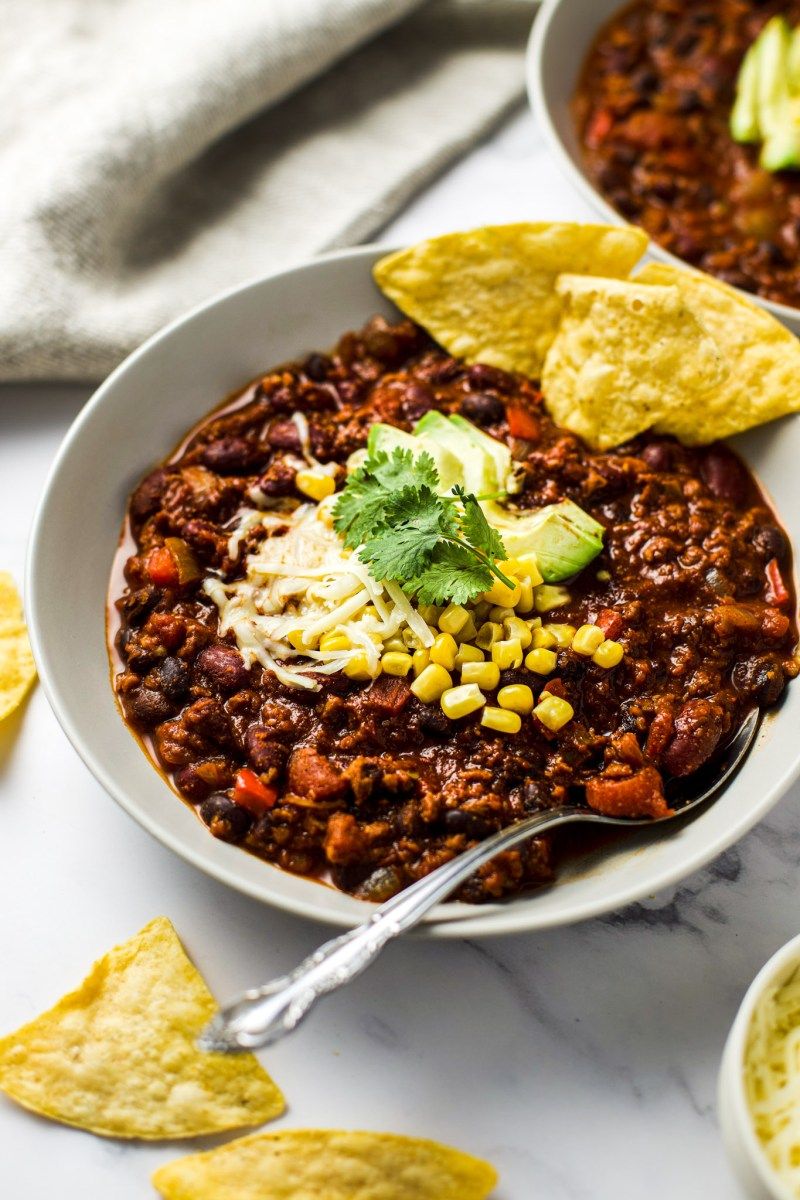
Black bean chilli with gochujang and a Chilean red
Black beans, melting sweet potato and a hint of chocolate: a meat-free chilli spiked with Korean chilli paste, to share between six with a Chilean red.
Pairings
By Gilbert & Gaillard Editorial Team, posted on 13 November 2026
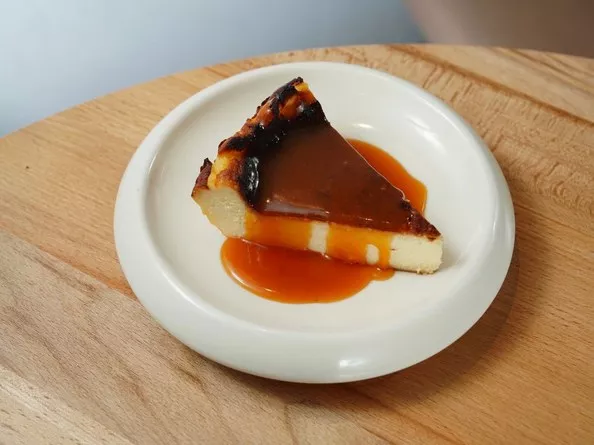
A caramelised, almost black top, a soft centre scented with pumpkin and cinnamon, and a dry Portuguese white to go with it rather than a sweet wine.
Basque cheesecake is baked in a very hot oven until the top is properly burnt and the centre still wobbles. There is no biscuit base and no bain-marie: it is one of the few cakes where a very deep colour is the mark of success.
Pumpkin purée suits it beautifully, adding moistness and a vegetal sweetness that tempers the sugar. Allow a night in the fridge, as it is eaten the next day, never warm.
Prep 20 min · Cook 45 min · Easy
Reaching for a sweet wine with dessert is a reflex, but here it would be a mistake: the cheesecake is already rich and sweet, and a sweet wine would only make it feel heavy. What it needs instead is a dry white that refreshes the palate between mouthfuls.
Portugal is gaining ground on every export market, and our analysis of its global breakthrough explains why. Its native red grapes are well worth exploring too: a journey through Portugal's native red varieties.
Portuguese wine can also be discovered through its co-operatives, such as the one at Cartaxo, a real success story.
Pairings
Pairings
Pairings
Pairings
Pairings
Pairings